
The strategic withdrawal by Invenergy from its offshore wind leases in the New York Bight, valued at seven hundred sixty-five million dollars, signals a cooling period for the maritime renewable market in 2026. This decision highlights the intensifying friction between aggressive policy goals and the volatile macroeconomic conditions that have plagued large-scale infrastructure over the last few years. While the company initially aimed to lead the Atlantic wind corridor, high interest rates and persistent shortages in specialized construction vessels made the financial burden of these leases difficult to justify to shareholders. This move is indicative of a broader trend where developers are prioritizing capital preservation over long-term speculative growth in the renewable sector. By relinquishing these rights, the organization underscored a shift toward immediate energy solutions that can be deployed without the extreme overhead costs associated with offshore engineering today.
Economic Realignment: The Natural Gas Transition
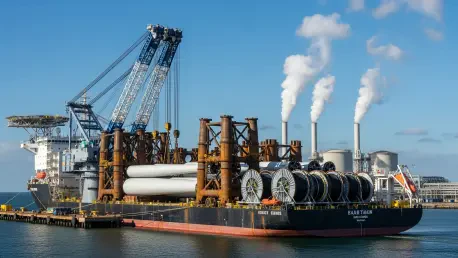
The fundamental drivers behind this seven hundred sixty-five million dollar cancellation include an unprecedented rise in component costs and a bottleneck in the domestic supply chain for wind turbine foundations and subsea cabling. Throughout the current year, the price of specialized steel and marine labor has surged, leaving developers with few options but to abandon projects when negotiations for higher subsidies fail. For a project of this magnitude, the gap between the initial bid and the actual cost of execution became wide enough to threaten the financial solvency of the specific development unit. Furthermore, the lack of a robust domestic maritime fleet capable of servicing deep-water turbines forced the company to rely on expensive international vessels, which are subject to complex regulatory hurdles and fluctuating availability. These logistical challenges, combined with a higher cost of capital, effectively stalled the rapid expansion of offshore wind in the Atlantic region.
Supply Chain Logistics: Maritime Development Obstacles
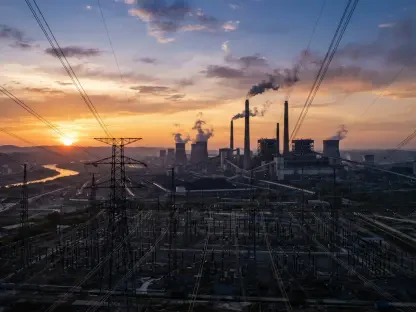
In response to the collapse of these offshore ambitions, the industry is seeing a renewed emphasis on natural gas infrastructure as a more reliable and cost-effective method for ensuring grid stability during the energy transition. Natural gas provides a dispatchable power source that can quickly compensate for the intermittency inherent in weather-dependent renewables like solar and terrestrial wind, making it an attractive fallback for major utilities. Invenergy’s shift toward expanding natural gas capacity suggests that the bridge fuel narrative is gaining renewed traction as a pragmatic necessity for maintaining the electrical load. Modernizing gas-fired plants with high-efficiency turbines allows for lower emissions compared to older facilities while providing the baseline power required to support urban centers. This strategy prioritizes immediate energy security and helps avoid the potential for blackouts that could occur if renewable deployment continues to stall.
Industry Resilience: Lessons From the Energy Pivot
The resolution to move away from offshore wind leases established a more cautious investment climate that favored immediate energy security over prolonged maritime development. Stakeholders determined that the risks associated with deep-water projects required a more collaborative funding model involving both public and private sectors to succeed in the long term. By focusing on natural gas and terrestrial assets, the industry managed to stabilize energy prices and provide a consistent supply of electricity when offshore projects faltered. Engineers shifted their focus to enhancing the efficiency of existing gas turbines and developing carbon capture technologies to align these fossil fuel assets with environmental standards. This period proved that the path toward a sustainable energy future necessitated a flexible strategy that incorporated proven technologies to mitigate the financial risks of innovation. Ultimately, the decision served as a lesson in balancing idealism with the grid requirements.