
Strategic collaboration between Masdar and Khazna Data Centers aims to decouple the growth of the digital economy from carbon emissions through green-powered infrastructure. This ambitious move reflects a sophisticated shift in the Mediterranean’s energy sector, moving away from conventional bilateral trade and into a realm of high-tech integrated investments. As the United Arab Emirates and the Hellenic Republic celebrate over five decades of diplomatic cooperation, the focus has pivoted toward a comprehensive renewable energy strategy designed to meet the skyrocketing demands of a modern digital economy. The centerpiece of this transition is an expansive 550+ megawatt solar project, which serves as a foundational pillar for Greece’s energy independence. By aligning fiscal resources with environmental objectives, this partnership ensures that the surge in energy consumption required for future technologies does not compromise regional climate targets or grid reliability.
Enhancing Grid Stability Through Technical Innovation
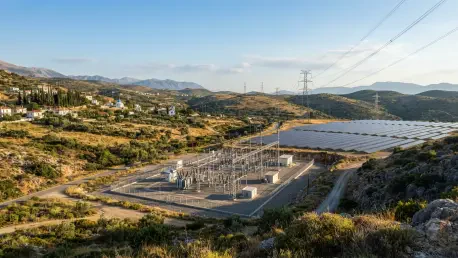
The recent acquisition of a massive solar photovoltaic project from Lightsource bp represents a significant milestone in Masdar’s European expansion strategy. With a total capacity exceeding 550 megawatts, the facility is currently coming online and is expected to be fully operational by the end of this year. Once it reaches its peak performance, the installation will generate enough clean electricity to power more than 200,000 households across Greece. However, the sheer scale of the project is only one aspect of its importance. By leveraging state-of-the-art solar technology, Masdar is helping Greece transition away from fossil fuel reliance while simultaneously lowering the cost of electricity for domestic consumers. This transition is critical for a nation that has historically navigated complex energy supply chains, as it provides a stable and domestic source of power that is immune to the volatility of global commodity markets or geopolitical shifts.
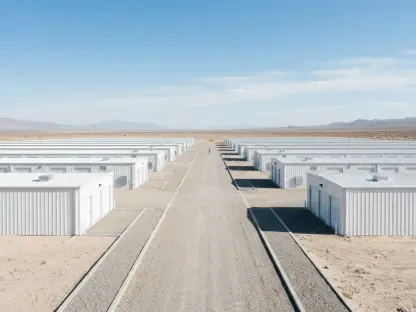
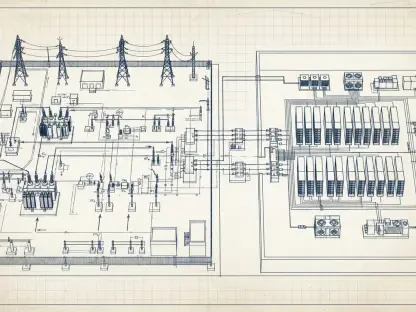
To mitigate the inherent intermittency of solar energy, Masdar is integrating advanced battery energy storage systems into its Greek infrastructure portfolio. These systems are essential for maintaining a balanced electricity grid, as they allow for the storage of excess energy during peak daylight hours for use during high-demand periods or at night. Furthermore, the development includes two massive private substations that link the solar fields directly to Greece’s high-voltage transmission network. This technical setup ensures that energy losses are minimized during transport and that the power supply remains consistent regardless of weather conditions. By investing in these grid-stabilizing technologies, Masdar is not just building power plants; it is engineering a resilient and flexible energy ecosystem. This approach provides a blueprint for other Mediterranean nations looking to integrate high percentages of renewables without compromising the operational integrity of their national electricity grids.
Fueling the Digital Hub with Sustainable Solutions
As global industries shift toward the widespread adoption of artificial intelligence and high-performance computing, the energy requirements for data centers have reached unprecedented levels. Greece is currently positioning itself as a regional digital hub, utilizing its unique geography at the intersection of Europe, Asia, and Africa to attract major tech corporations. However, the success of this ambition hinges on the availability of vast, reliable, and affordable energy resources. The partnership between Masdar and local entities addresses this specific challenge by ensuring that the digital infrastructure of tomorrow is built on a foundation of sustainability. By focusing on the nexus of clean energy and data management, this initiative provides a compelling value proposition for international technology firms seeking to minimize their carbon footprints. This alignment of digital growth with green power is essential for maintaining economic competitiveness in a highly regulated environment.
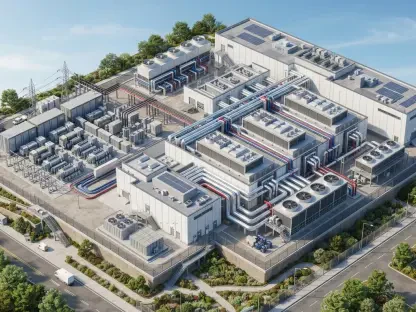
The memorandum of understanding signed with Khazna Data Centers explores the feasibility of developing “green data centers” throughout the Greek territory. These facilities are designed to operate using 100% renewable energy, combining Masdar’s leadership in energy storage with Khazna’s expertise in managing complex data environments. This integrated strategy allows for the creation of high-tech zones where the power supply is decoupled from the traditional grid during peak times, reducing the burden on municipal electricity services. Moreover, these green data centers serve as a catalyst for local economic development, creating high-skilled jobs and fostering a culture of innovation within the Greek tech sector. By offering a comprehensive solution that includes both the infrastructure and the clean power to run it, Masdar is effectively removing the barriers to entry for global cloud providers. This move ensures that Greece’s digital transformation remains consistent with its commitment to achieving net-zero emissions.
Expanding Regional Reach and Strategic Governance
Masdar’s strategy in Southeastern Europe is heavily anchored by its landmark acquisition of TERNA ENERGY, a move that redefined the renewable market landscape. Following a multi-billion euro transaction, the company has become the primary vehicle for Masdar’s expansion across the continent. This institutional growth is backed by a massive investment roadmap intended to transform the entity into a dominant force in the European energy sector. By absorbing existing assets and talent from TERNA ENERGY, Masdar has gained an immediate foothold in established markets while simultaneously acquiring a pipeline of projects that are ready for implementation. This acquisition was not merely a financial transaction; it was a strategic integration of expertise that allows for faster deployment of solar and wind technologies. The synergies created by this partnership enable Masdar to navigate local regulatory frameworks more effectively, ensuring that large-scale infrastructure projects move from planning to operation with minimal delay.
The successful integration of Masdar’s assets into the Greek national grid demonstrated that the primary challenge of the green transition was not a lack of technology, but a need for coordinated investment. Stakeholders identified that combining digital infrastructure goals with renewable energy planning produced far better economic outcomes than pursuing these sectors in isolation. To build on this momentum, policymakers and private investors focused on streamlining the permitting process for large-scale storage projects, which proved to be the missing link in grid stability. The Greece–UAE model showed that long-term commitments were more effective than short-term subsidies for fostering innovation. Future initiatives prioritized the modernization of trans-border electricity interconnectors to allow for the seamless export of surplus green energy. By treating clean power as a strategic asset rather than a simple utility, the partners secured a competitive advantage that transformed Greece into a resilient digital hub.