
The announcement that Fotowatio Renewable Ventures has successfully secured 2.3 gigawatts of grid connection capacity across Germany represents a monumental shift in the European energy landscape as the nation accelerates its transition away from traditional fossil fuels. This massive allocation of capacity serves as a critical foundation for stabilizing the power grid while integrating more intermittent renewable sources like wind and solar. By securing these connection points, the organization is positioning itself as a primary architect of the modern German energy infrastructure. This move is not merely a corporate expansion but a strategic response to the increasing demand for high-capacity storage solutions that can handle the complexities of a decarbonized economy. As the region navigates the dual pressures of energy security and environmental sustainability, such large-scale infrastructure commitments provide the necessary certainty for long-term investment and grid reliability across the nation.
Strategic Expansion: Strengthening the German Power Grid
Infrastructure Requirements and Technical Integration
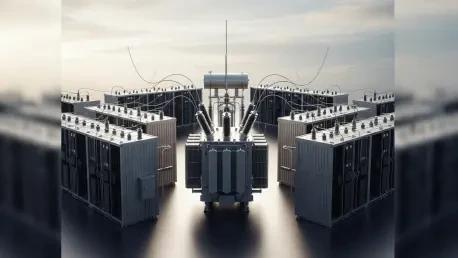
Securing grid access in Germany is notoriously difficult due to the stringent regulatory requirements and the physical limitations of the existing transmission networks. This acquisition of 2.3 gigawatts reflects a sophisticated approach to site selection and technical planning that addresses the bottlenecks currently slowing down the renewable energy rollout. By focusing on strategic locations, the initiative ensures that energy can be stored and deployed precisely where and when it is most needed, reducing the risk of curtailment for wind and solar farms. The technical requirements for these connections involve advanced power electronics and synchronization capabilities that must meet the high standards set by German transmission system operators. This level of capacity is sufficient to power millions of homes during peak demand periods, effectively serving as a massive virtual power plant that supports the country’s energy independence and long-term sustainability goals.
Replacing Legacy Systems with Battery Storage
Beyond the immediate technical benefits, this expansion signals a broader commitment to the German market, which remains the industrial heart of Europe. The integration of 2.3 gigawatts of capacity allows for a more flexible and resilient energy system that can absorb the fluctuations of renewable generation without compromising the stability of the high-voltage network. This approach is particularly relevant as Germany continues to decommission its older thermal power plants, creating a supply gap that must be filled by reliable alternatives. The deployment of battery energy storage systems at this scale provides essential services such as frequency regulation and voltage support, which are traditionally provided by large spinning turbines in coal or gas plants. By replacing these legacy services with clean, rapid-response technology, the project facilitates a smoother transition to a fully renewable energy mix and ensures that the power supply remains consistent for heavy industry.
Technological Innovation: Driving Economic Value
Software Management and Market Performance
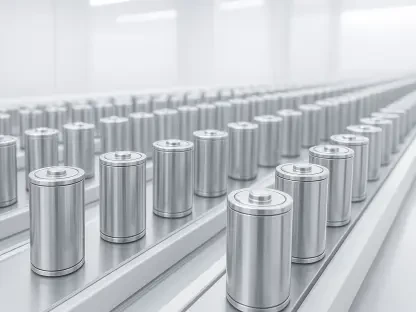
The emphasis on battery energy storage systems within this capacity allocation underscores the pivotal role that storage technology plays in the contemporary energy sector. High-density lithium-ion and emerging long-duration storage technologies are being leveraged to maximize the utility of these grid connections. These systems are designed to capture excess energy during periods of high production and release it during lulls, thereby smoothing out the price volatility that often characterizes renewable-heavy markets. The implementation of sophisticated software platforms to manage these assets is equally important, as it allows for real-time participation in various energy markets and grid service auctions. This digital layer optimizes the performance of the hardware, ensuring that the batteries operate at peak efficiency throughout their lifecycle. By utilizing cutting-edge energy management systems, the project can respond to grid signals in milliseconds, providing a level of agility.
Future Implementation and Grid Resilience Strategies
In light of these developments, the focus must now shift toward the rapid physical deployment of the storage assets and the continued optimization of grid management protocols. Stakeholders throughout the energy value chain took decisive action to ensure that the regulatory hurdles did not impede the progress of this massive capacity rollout. The successful acquisition of grid rights provided a clear roadmap for other developers to follow, emphasizing the necessity of early engagement with transmission system operators and local authorities. Looking ahead, the industry should prioritize the standardization of battery technologies and the expansion of cross-border energy trading to further enhance the resilience of the European supergrid. It was evident that the integration of such large-scale capacity required a multifaceted strategy involving technical excellence, financial foresight, and deep regulatory knowledge. By moving beyond the planning phase into active construction, the sector supported a carbon-neutral future.