


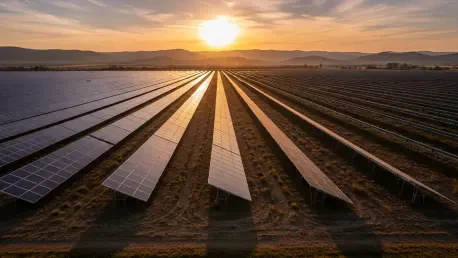

The peaceful outskirts of the Town of Trenton are currently serving as the backdrop for a significant conflict between the rapid expansion of renewable energy and the preservation of established residential lifestyles. This tension highlights a growing national trend where the push for carbon neutrality often clashes with the deeply held values of local residents who moved to the countryside for peace and environmental preservation. With the project slated for a 25-acre stretch of agricultural land on River Road, the disagreement has moved beyond simple zoning talk and into a broader conversation about what it means to be a sustainable community in the current technological climate. Balancing the rights of individual property owners with the concerns of neighbors in the Prairie Meadow subdivision requires a careful examination of both immediate impacts and long-term consequences. As the town evaluates the 5-megawatt proposal brought forth by SunVest Solar LLC, the outcome will likely serve as a blueprint for how small towns navigate the intersection of modern infrastructure and rural tradition. The debate is no longer just about energy; it is about the fundamental identity of the land and who gets to decide its future.
Neighborhood Grievances: Operational Realities
The resistance from the community is rooted in a fundamental desire to protect the quality of life that attracted many residents to the Trenton area in the first place. For the families living in adjacent subdivisions, the introduction of a large-scale solar farm is not merely a change in the view but a significant disruption to their daily operational realities. These grievances are centered on the belief that industrial-scale energy production is fundamentally incompatible with a quiet residential setting, especially when the infrastructure required for such a facility is so physically imposing. Neighbors argue that the town has a responsibility to protect the integrity of residential zones from the encroachment of utility projects that bring noise, traffic, and environmental degradation. This sentiment has transformed the local Planning Commission meetings into high-stakes forums where the values of modern sustainability are weighed against the traditional expectations of rural living.
Immediate Logistics: Safety and Disruption
Residents of the Prairie Meadow subdivision have raised significant alarms regarding the sheer scale of the construction phase required for such an extensive solar installation. The proposed reliance on private gravel roads for the delivery of heavy machinery and industrial-grade solar components has ignited fears that the air quality will degrade rapidly due to excessive dust clouds. Furthermore, the constant acoustic disturbances associated with heavy equipment operation and site preparation are seen as a direct threat to the quiet enjoyment of local properties. In a community where outdoor living is a primary draw for homeowners, the prospect of months of industrial noise and airborne particulate matter is unacceptable to many. Neighbors argue that the current infrastructure is simply not designed to accommodate the heavy-duty logistics of a utility-scale project, and the potential for persistent environmental disruption during the assembly of thousands of panels remains a top priority for those living within earshot.
Beyond the temporary nuisances of dust and noise, there is a deep-seated fear that the structural integrity of local roads will fail under the weight of massive equipment haulers. These routes, which typically see only light residential traffic and occasional agricultural vehicles, are not engineered for the repeated passage of heavy industrial transport. Families in the area have also expressed urgent concerns regarding the safety of pedestrians and children who frequently use these routes for daily recreation, cycling, and transit to school bus stops. The influx of heavy trucks and construction crews introduces a level of traffic density that is entirely foreign to the subdivision’s daily flow, creating a hazardous environment that many feel has not been adequately addressed in the developer’s traffic management plans. Residents are calling for a more robust evaluation of road safety measures and a commitment to maintaining the safety of the neighborhood’s most vulnerable members during the entirety of the project lifecycle.
Lasting Changes: Landscape and Quietude
The long-term transformation of the scenic rural landscape into what many describe as an industrial zone remains a primary point of contention for those who value the vista of open fields. Neighbors have frequently labeled the sprawling solar arrays as a permanent eyesore that fundamentally alters the character of the community for decades to come. There is high skepticism among the residents of Prairie Meadow regarding the effectiveness of natural screening or vegetative buffers in truly masking a 25-acre facility from view. Even with the promise of strategically planted shrubs and trees, critics argue that the visual height and reflective nature of thousands of glass panels cannot be entirely mitigated, especially during the winter months when deciduous foliage is absent. This perceived industrialization of the countryside is viewed not just as a loss of beauty but as a potential drain on property values, as future buyers may be deterred by the proximity of a massive technological installation.
Noise pollution also remains a focal point of the debate, as the electronic hum of inverters and the mechanical whirring of tracking systems are expected to persist for the duration of the farm’s operation. While solar technology is often marketed as silent, the reality of high-voltage electronic components and the moving parts used to follow the sun’s path can create a constant, low-frequency sound that carries across open fields. Residents are demanding significantly larger setbacks than those currently proposed to ensure their homes remain shielded from these persistent acoustic emissions. The preservation of the neighborhood’s quiet character is seen as a non-negotiable right by many who invested in Trenton specifically for its lack of industrial noise. Neighbors argue that without substantial distance between the hardware and residential property lines, the quality of life in the subdivision will be permanently diminished, turning a once-tranquil area into a zone of constant mechanical activity.
Economic Interests: Community Safeguards
While the aesthetic and logistical concerns of the neighbors are significant, the debate also centers on the broader economic health and legal protections of the Town of Trenton. For the municipal government, the challenge lies in ensuring that the project does not only benefit the developer and the specific landowner but also provides tangible value to the entire community. This requires the establishment of rigorous safeguards and agreements that can mitigate the risks associated with industrial development in agricultural areas. Proponents of these safeguards argue that without a strong framework of accountability, the town risks becoming a site for external profit extraction rather than a partner in sustainable growth. The focus has therefore shifted toward the creation of legally binding contracts that ensure the developer remains responsible for any negative externalities while contributing to the town’s long-term financial and social well-being.
The Pursuit: Tangible Local Benefits
A significant portion of the opposition is now focusing on the implementation of a formal Community Benefits Agreement to ensure the town receives more than just the environmental prestige of a green energy project. Such a contract would ideally mandate local hiring for both the construction and long-term maintenance of the solar farm, ensuring that economic opportunities stay within the region. Additionally, residents are pushing for specific road repair guarantees and enhanced tax revenue agreements that would directly fund local schools or infrastructure projects to offset the physical presence of the facility. The goal is to move beyond the abstract benefits of renewable energy and secure concrete, legally binding commitments that improve the lives of Trenton’s citizens. Without these safeguards, the project is viewed by many as an unfair trade-off where the community bears the environmental and aesthetic burden while the financial rewards flow elsewhere.
Critics of the current proposal argue that the deal primarily serves the narrow financial interests of the landowner and an out-of-town developer, leaving the broader community with the bill for environmental costs. There is a strong sentiment that Trenton should not be a passive host for massive industrial infrastructure without receiving clear and documented advantages that are commensurate with the project’s impact. The residents insist that if the town is to sacrifice a portion of its rural identity, the return on that investment should be visible in the form of improved public services and a stronger local economy. This perspective highlights a growing demand for corporate accountability in the renewable energy sector, where developers are expected to become active partners in the communities they enter. By formalizing these benefits, the town could potentially turn a source of local friction into a catalyst for community development and long-term financial stability.
Defending Rights: Sustainable Land Use
On the other side of the debate, supporters of the River Road project emphasize the vital role that solar energy plays as an economic tool for Wisconsin farmers who are currently facing rising bankruptcy rates and extreme market volatility. By shifting a portion of their land from traditional crop farming to solar energy production, landowners can secure a stable and predictable financial future that is not dependent on the fluctuations of global commodity prices. Furthermore, this transition offers significant environmental benefits that are often overlooked in the discussion of aesthetics. Unlike traditional agriculture, solar farms do not require the application of harmful pesticides and herbicides, which can lead to the runoff of chemicals into local groundwater and sensitive ecosystems. In this sense, the solar farm represents a form of sustainable land use that protects the town’s natural resources while providing a financial lifeline to the families who have worked the land for generations.
Proponents also argue that the Town Board must maintain a high degree of regulatory predictability if it hopes to attract future investment and maintain the integrity of private property rights. If a project meets all existing zoning codes and legal requirements, blocking it based solely on the aesthetic preferences of a neighboring subdivision could undermine the town’s reputation and create a climate of uncertainty for other businesses. Supporters stress that the fundamental rights of individual property owners to utilize their land for profitable and legal purposes should not be easily overridden by neighborhood opposition. They contend that the solar farm is a modern extension of the town’s agricultural heritage, harvesting the sun rather than corn or soybeans, and should be treated with the same level of respect as any other commercial farming operation. Maintaining a clear and consistent application of the law is seen as essential for ensuring that Trenton remains a place where innovation and traditional land rights can coexist.
Strategic Framework: Harmonizing Progress and Preservation
The dialogue in Trenton established a clear need for a more nuanced approach to land-use planning in the era of rapid energy transition. Board members and residents alike recognized that traditional zoning was often insufficient for addressing the specific challenges of utility-scale solar projects. The dialogue emphasized that successful implementations required early and transparent engagement between developers and neighbors to address concerns before they escalated into formal disputes. It became evident that prioritizing comprehensive Community Benefits Agreements served as an essential tool for aligning private profit with public interest. By focusing on site-specific mitigation strategies, such as adaptive landscaping and increased setbacks, the town moved toward a model that respected both property rights and residential quietude. Future projects benefited from these lessons, as the emphasis shifted from mere compliance to the creation of collaborative partnerships that treated local citizens as stakeholders rather than obstacles. This evolution in governance ensured that the pursuit of renewable energy did not come at the expense of the community’s core identity.







