
Christopher Hailstone brings a wealth of experience in energy management and grid security, making him a pivotal voice in the current debate over Australia’s energy future. As we stand at a crossroads for national fuel policy, his insights into how the utility sector can pivot toward sustainable, locally-sourced solutions are more relevant than ever. This conversation delves into the proposed national mandates for ethanol and biodiesel, examining how these changes could revitalize regional economies and secure the nation’s energy independence.
With the sugar industry processing 30 million tonnes of sugarcane annually, how would a national mandate for ethanol and biodiesel transform the economic landscape of regional manufacturing? What specific metrics should we use to measure success in terms of local job creation and industry revitalization?
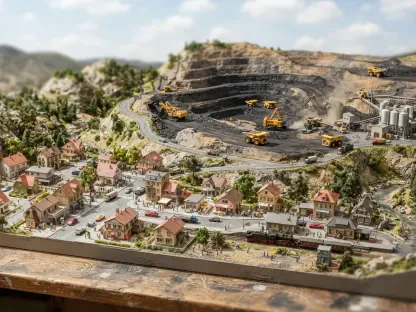
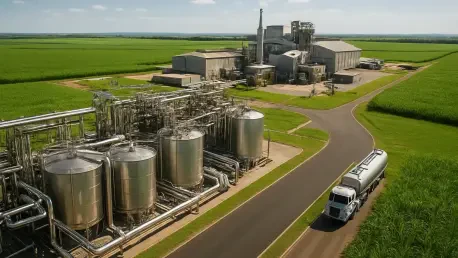
With 30 million tonnes of sugarcane moving through our regional hubs every year, a national mandate would turn these agricultural centers into high-tech manufacturing powerhouses. We would see a tangible shift from purely exporting raw materials to high-value fuel processing, which breathes life back into small towns that have felt the sting of industrial decline. Success should be measured not just by the volume of fuel produced, but by the stability of local employment and the reinvestment into regional infrastructure that supports these massive harvests. It is about seeing the steam rising from local mills and knowing that the energy powering our vehicles is being refined right in our own backyard.
Fuel security is a growing concern, yet Australian crops currently have the potential to meet 14% of national petrol demand. In what ways would domestic biofuel production strengthen national resilience against global supply shocks, and what infrastructure steps are necessary to bridge the gap between current production and that 14% potential?
Currently, our domestic crops have the latent capacity to satisfy 14% of the national petrol demand, which provides a critical buffer against the volatile global oil market. By shifting toward domestic production, we effectively insulate our economy from distant geopolitical shocks that usually send prices at the pump skyrocketing. To bridge the gap between our current output and that 14% potential, we need to streamline the logistics of how we transport ethanol from the refineries to the wholesalers. It requires a coordinated effort to upgrade storage facilities and ensure our distribution networks are ready to handle a consistent flow of Australian-made biofuels.
While some industries seek financial subsidies, your sector is focused on market establishment through enforceable blending requirements for wholesalers. How would this shift in policy lower the long-term cost of living for consumers, and what specific regulatory hurdles must be cleared to ensure these savings are passed down?
The focus here isn’t on seeking government handouts or financial subsidies, but rather on creating a structured, enforceable market through blending requirements for wholesalers. By mandating that a specific percentage of fuel sold must be locally produced biofuel, we create the long-term certainty that businesses need to invest in efficient production. This increased efficiency naturally lowers the cost of production over time, eventually resulting in more affordable fuel for every household. To ensure these savings reach the consumer, we must clear regulatory hurdles that currently allow for inconsistent regional rules, replacing them with a streamlined national framework.
Transitioning to low-carbon fuels often involves a complex balance of cost and climate impact. How can a phased-in blending requirement ensure emissions are reduced at the lowest practical cost, and what anecdotal evidence suggests that Australian-made ethanol is a more viable solution than imported alternatives?
A phased-in blending requirement allows the market to adapt without sudden price hikes, ensuring that we reduce emissions at the lowest practical cost to the public. Australian-made ethanol is a far more viable solution than imported alternatives because it eliminates the massive carbon footprint and high costs associated with international shipping. We see the momentum building among growers who are ready to prove that our own soil can provide a cleaner, cheaper product than anything we could bring in from overseas. It’s a common-sense approach where the economic benefits of local production directly align with our environmental goals.
Research institutions and sugar millers are increasingly collaborating on biofuel innovation. What are the primary technological or logistical barriers to scaling ethanol production to 2.5 million liters annually, and how can researchers and growers better align their efforts to meet this ambitious target?
Scaling ethanol production to hit that 2.5 million liter annual target involves overcoming logistical bottlenecks between our vast sugarcane fields and the processing plants. Researchers and growers are already collaborating to refine the fermentation process, but we need better alignment on the timing of harvests and the technical capacity of our existing mills. The sight of researchers working side-by-side with millers at places like Federation Mall shows a growing unity that is essential for this scale-up. It’s about ensuring that every one of those 30 million tonnes of cane is utilized to its maximum potential through cutting-edge biochemical innovation.
What is your forecast for the Australian biofuel industry over the next decade?
I anticipate that over the next ten years, the industry will transition from a niche regional player to a cornerstone of our national energy security strategy. We will likely see the 14% petrol demand target met and eventually surpassed as technology improves and the national mandate creates a predictable, thriving market. This shift will solidify Australia’s position as a leader in low-carbon liquid fuels, significantly reducing our reliance on foreign oil while pumping billions back into regional manufacturing. It is a future where our energy is homegrown, our air is cleaner, and our economy is shielded from the whims of global supply chains.