
As the global demand for sustainable energy reaches a critical juncture, the four provinces of Atlantic Canada find themselves at a historic crossroads where the fragmentation of local utility networks threatens to derail regional decarbonization targets. Historically, Nova Scotia, New Brunswick, Prince Edward Island, and Newfoundland and Labrador have operated largely as energy islands, with individual utilities prioritizing local provincial needs over broad regional stability. This legacy of isolation now complicates the urgent shift toward net-zero emissions, as the intermittent nature of wind and solar power requires a more flexible and interconnected distribution system. To address these vulnerabilities, energy experts and federal policymakers are advocating for a unified Atlantic power grid, a massive infrastructure project often referred to as the Atlantic Loop. By bridging the gaps between existing provincial systems, the region could effectively share green energy resources, thereby reducing the reliance on carbon-heavy coal and oil plants that still dot the landscape. Achieving this level of cooperation requires a departure from traditional jurisdictional competition, emphasizing instead a collective strategy that prioritizes regional energy security and long-term affordability for all residents.
Infrastructure Integration: The Path Toward Energy Reliability
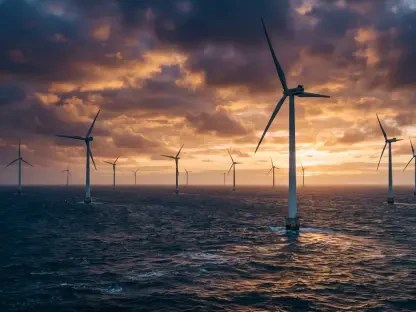
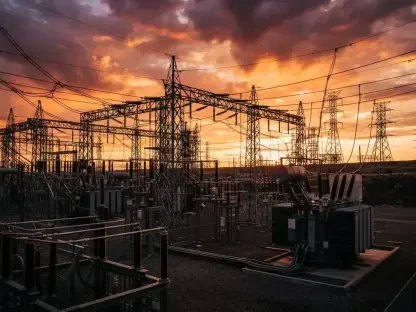
Developing a robust interconnection involves deploying advanced High-Voltage Direct Current (HVDC) technology to transport massive amounts of electricity across vast distances with minimal loss. This technical evolution is essential for channeling the surplus hydroelectric power generated at sites like Muskrat Falls and Churchill Falls into the industrial centers of the Maritimes. Currently, the lack of high-capacity transmission lines prevents a fluid exchange of power, which often forces provinces to maintain costly and aging backup thermal generators to meet peak demand. Beyond the immediate benefit of lower emissions, a modernized grid serves as a critical buffer against the increasing frequency of extreme weather events that threaten localized energy distribution. Integrating the four provinces into a single, cohesive network would allow for real-time load balancing, where a surge in wind generation in Prince Edward Island could offset a temporary shortfall elsewhere. Furthermore, the synchronization of these grids allows for more aggressive investments in offshore wind projects, as the expanded market reach ensures that excess generation can be sold or stored effectively across the entire Atlantic region.
Strategic Roadmap: Navigating Economic and Regulatory Hurdles
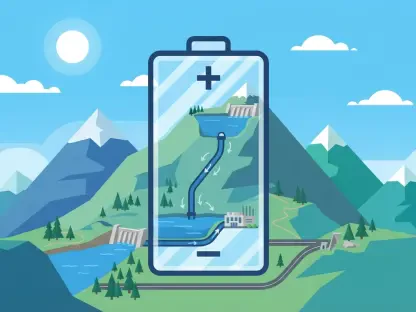
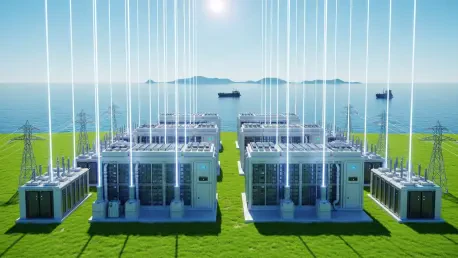
The transition toward a unified energy market demanded significant political will and a fundamental shift in how provincial regulators approached cross-border utility rates and infrastructure costs. Effective progress required the establishment of a centralized regional transmission organization to oversee the scheduling of power flows and the management of shared assets. Policymakers looked toward standardized carbon accounting mechanisms to ensure that the benefits of green energy exports were fairly distributed among the participating provinces. To move forward from 2026 to 2030, stakeholders focused on securing federal matching grants that mitigated the initial financial burden on local ratepayers, ensuring that the modernization of the grid did not lead to immediate price shocks. This collaborative model encouraged private sector investments in battery storage and smart-grid technologies, creating a more resilient ecosystem. Future considerations involved expanding these interconnections into the New England market, providing a lucrative pathway for exporting Atlantic Canada’s clean energy surplus. This strategic alignment transformed the region into a renewable energy powerhouse, proving that collective action was the most viable solution for achieving a sustainable and economically prosperous future.