
The global demand for artificial intelligence has shifted from experimental pilots to massive industrial deployments, creating a voracious appetite for electricity that is fundamentally reshaping the energy landscape. Recent market analysis suggests that carbon emissions from data centers could more than double by 2030 as hyperscalers like Google, Microsoft, and Amazon expand their physical infrastructure to accommodate generative models. This rapid scaling comes at a time when many of these corporate giants had previously pledged to reach carbon neutrality, creating a stark disconnect between environmental goals and technological imperatives. The intensity of AI workloads requires high-performance hardware, specifically specialized graphics processing units, which consume significantly more power than traditional server CPUs. As thousands of these units are clustered into massive server farms, the resulting heat and power requirements put unprecedented pressure on local power grids and regional sustainability targets.
The Environmental Cost: Challenges in Computational Power
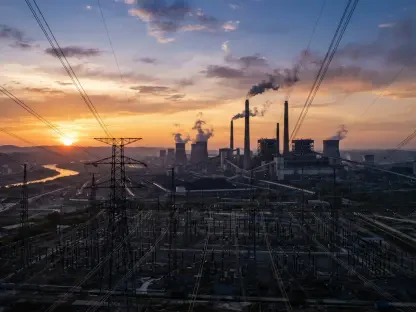
Expanding the physical footprint of data centers requires more than just land; it demands a massive increase in baseload power that often outpaces the availability of renewable sources. In many regions, the gap between available green energy and the immediate power needs of AI facilities is being filled by aging coal plants and natural gas turbines, which directly negates carbon reduction progress. Utility companies are increasingly concerned about the stability of the grid, as the constant high-demand profile of a modern data center differs significantly from the variable consumption patterns of residential or light commercial users. From 2026 through the end of the decade, the industry is expected to see a sharp rise in Scope 2 emissions, which are the indirect greenhouse gas emissions from the generation of purchased electricity. Even with significant investments in wind and solar farms, the intermittent nature of these sources often necessitates fossil fuel reliance.
The complexity of tracking these emissions is further exacerbated by the global nature of cloud computing supply chains and the varying carbon intensity of regional power grids. Companies often utilize renewable energy credits to balance their environmental ledgers, yet critics argue that these financial instruments do not always reflect the physical reality of carbon released into the atmosphere. As training runs for large language models grow in size and frequency, the sheer volume of operations translates into millions of metric tons of carbon dioxide equivalent. This situation has led to a reevaluation of how green technology truly is, as the hardware lifecycle—from rare earth mineral mining for chips to the disposal of obsolete servers—adds a substantial Scope 3 burden. Between 2026 and 2030, the pressure for transparency will likely drive more stringent reporting standards, forcing technology firms to account for every watt consumed in their proprietary facilities.
Strategic Solutions: Future Trends in Sustainability
Addressing the carbon crisis requires a multi-faceted approach that combines hardware efficiency with advanced thermal management techniques. Engineers are moving toward direct-to-chip liquid cooling systems, which are far more efficient at removing heat than traditional air-conditioned methods, thereby reducing the overhead power usage effectiveness ratio. Beyond cooling, the development of specialized AI accelerators designed specifically for energy efficiency rather than raw throughput offers a potential pathway toward more sustainable operations. However, the software layer also plays a critical role, as optimizing code for energy-aware scheduling can ensure that heavy computational tasks are performed during periods of high renewable energy availability. This concept of carbon-intelligent computing aims to synchronize digital workloads with the weather patterns that drive solar and wind production. Such innovations are essential to decoupling digital growth from the increase in environmental degradation.
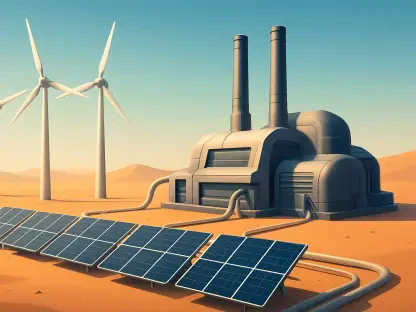
The transition toward a sustainable digital future necessitated a fundamental shift in how the technology sector approached its energy strategy and infrastructure planning. Stakeholders eventually recognized that relying solely on carbon offsets was insufficient to meet the aggressive climate targets set for the late 2020s. Consequently, leading organizations invested heavily in modular nuclear reactors and long-duration battery storage to provide clean, reliable baseload power for their operations. Regulatory bodies also stepped in by mandating higher efficiency standards for new data center construction and requiring real-time reporting of carbon intensity. These actions moved the industry beyond mere rhetoric, establishing a framework where environmental stewardship became a core component of competitive advantage. Ultimately, the integration of circular economy principles in server manufacturing and the prioritization of green energy procurement helped mitigate the most severe projections of carbon expansion.