
Australia’s suburban landscape is undergoing a silent but rapid transformation as thousands of households ditch traditional gas connections in favor of fully integrated electric systems. This shift is not merely a trend driven by environmental consciousness but a pragmatic response to the volatile pricing of fossil fuels and the increasing accessibility of renewable technology. As of 2026, the proliferation of rooftop solar panels has reached a tipping point where many residents find it financially reckless to continue paying for gas connection fees when their roof generates surplus power. This movement, often referred to as the “electrify everything” campaign, has transitioned from a niche interest for early adopters into a mainstream economic strategy for the average family. By replacing gas heaters with high-efficiency split systems and swapping gas stovetops for induction models, Australians are effectively insulating themselves against global energy market shocks while significantly increasing the operational efficiency of their primary residence.
Financial Incentives and the Rising Cost of Traditional Energy
The economic argument for residential electrification has become overwhelmingly persuasive as gas prices continue their upward trajectory while the cost of renewable components declines. Many homeowners are finding that the combined expense of gas service charges and the rising price of the fuel itself creates a permanent drain on household budgets that can be entirely eliminated through electrification. In 2026, state-sponsored rebates and low-interest green loans have made the upfront cost of transitioning to electric heat pumps and induction cooking more manageable than ever before. Furthermore, the installation of smart energy management systems allows households to capitalize on their solar generation during daylight hours, effectively running major appliances for free. This financial liberation is a primary motivator, especially in states where energy prices have historically been high. Consequently, the decision to go all-electric is now viewed as a long-term investment rather than a luxury for the wealthy.
Beyond the immediate savings on utility bills, the increased property value associated with fully electric homes provides an additional layer of financial security for modern Australians. Real estate markets across the continent are showing a clear preference for properties that boast high energy ratings and modernized infrastructure, as buyers seek to avoid the costs of retrofitting older gas-dependent homes. The integration of electric vehicle charging stations as a standard feature in newly electrified garages further cements this value, creating a comprehensive ecosystem where transportation and home energy are linked. Investors and homeowners alike recognize that the phasing out of gas infrastructure by major developers and local governments makes non-electric properties less desirable over time. This market pressure creates a self-sustaining cycle where electrification becomes the standard expectation for any renovation. By aligning household infrastructure with the grid, residents are future-proofing their assets.
Strategic Pathways for a Decarbonized Residential Sector
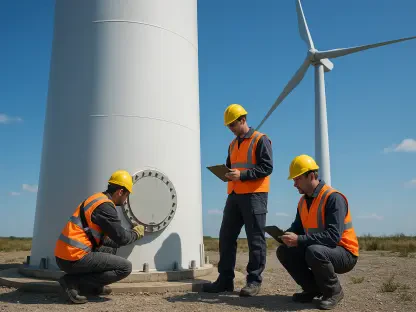
Transitioning to a fully electric home required a methodical approach that started with comprehensive energy audits to identify the most impactful areas for improvement. Property owners who prioritized high-usage appliances, such as hot water systems and space heaters, achieved the fastest returns on their investments by immediately slashing their reliance on the gas grid. It became clear that integrating these systems with solar arrays and smart home controllers maximized the efficiency of the entire household ecosystem. Professional consultations helped residents navigate the complex landscape of government rebates and green financing options, ensuring that every technological upgrade was both cost-effective and compliant with evolving standards. Homeowners also discovered that sealing air leaks and improving insulation were essential precursors to installing heat pump systems, as these measures ensured that the electric climate control worked at peak performance for the long term.
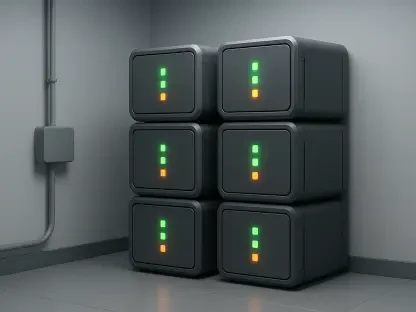
Looking ahead, the focus shifted toward the role of the household as a critical participant in the broader stability of the national energy grid. The adoption of vehicle-to-home technology and community battery schemes transformed individual residences into miniature power plants that could contribute energy back to the community during peak demand. This collaborative model not only strengthened the local infrastructure but also provided homeowners with additional revenue streams through participation in virtual power plants. Engineers and urban planners emphasized that the success of electrification depended on the continued rollout of fast-charging networks and the upgrading of local distribution networks to handle increased electrical loads. As the transition matured, the emphasis moved from simple replacement of appliances to the sophisticated optimization of energy flows through artificial intelligence. The Australian experience demonstrated that a nationwide shift to electric living could be achieved.