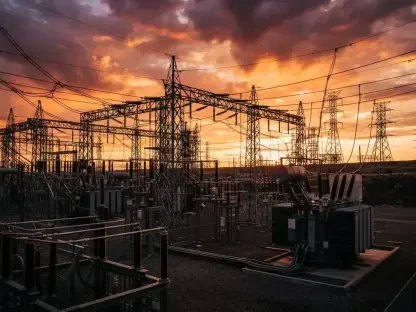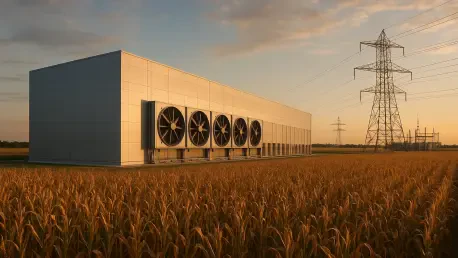

The relentless roar of industrial cooling fans has replaced the quiet rustle of cornfields across the American heartland as a massive digital transformation sweeps the nation. As of 2026, the industry serves as the essential backbone for artificial intelligence, cloud computing, and a global digital economy that never sleeps. This infrastructure expansion is no longer confined to traditional tech hubs but has moved into the very heart of residential and agricultural zones.
This modern surge draws striking historical parallels to the rural electrification movement of the 1930s. Back then, many residents fought against the installation of power lines due to a deep mistrust of land easements and the belief that electricity was an unnecessary luxury. Today, a similar skepticism has emerged, as the abstract benefits of the cloud collide with the tangible realities of heavy industrial construction in quiet neighborhoods.
Key market players are increasingly shifting their focus toward states like Georgia and Mississippi, where aggressive tax incentives and lower land costs create an attractive environment for growth. However, this geographic pivot has sparked unexpected friction. The speed of development often outpaces the ability of local infrastructure to adapt, leading to a clash between corporate ambitions and the preservation of local community identity.
The Digital Backbone: Understanding the Massive Scale of Data Center Expansion
The current state of the industry reflects an insatiable demand for processing power as AI integration becomes standard across all sectors. These facilities have evolved from simple server rooms into massive campuses that require significant land and specialized utilities. As these projects grow in scale, they represent a fundamental shift in how the physical landscape is utilized to support virtual activities.
Societal friction generated by these industrial shifts is a recurring theme in American history. Just as previous generations grappled with the arrival of railroads or interstate highways, modern communities are now questioning the long-term value of hosting massive data warehouses. While these facilities offer high-tech prestige, they also bring a level of permanence that many residents find daunting and disruptive to their way of life.
Drivers of Growth and the Evolution of Modern Tech Infrastructure
The impact of artificial intelligence has pushed facility density to unprecedented levels, requiring more cooling and more power than ever before. Tech giants and third-party developers like QTS are aggressively reshaping domestic land use to meet high-speed data demands. This evolution is driven by the necessity of low latency, which forces massive data centers closer to the populations they serve.
In contrast to the silent nature of the software they host, the physical infrastructure is anything but quiet. Consumer behavior has shifted toward a total reliance on digital services, yet this same reliance clashes with local environmental concerns when a new facility is proposed nearby. The proximity of these industrial giants to residential areas has become a primary point of contention in modern urban planning.
Market Data, Growth Projections, and the Financial Stakes of Resistance
Capital investment across rural and suburban America has surged, with billions of dollars allocated for new construction. Despite this financial influx, a significant portion of this growth is under threat from local opposition. Recent performance indicators show that approximately $130 billion in projects have been delayed or halted, signaling a clear shift in how developers must approach project approvals.
Forward-looking projections suggest that political roadblocks will continue to reshape site selection strategies through 2028. Developers are now being forced to consider the cost of community resistance as a primary risk factor in their financial models. The escalating legal gridlock suggests that financial capital alone is no longer enough to guarantee the success of a project in a resistant municipality.
The Multi-Faceted Challenges of Industrial Integration
Environmental obstacles remain the most significant hurdle for the industry, specifically regarding massive water consumption for cooling and the strain on aging power grids. Many regions are discovering that their existing utility infrastructure was never designed to handle the concentrated load of a data center campus. This leads to concerns that residential utility rates will rise to subsidize the needs of tech corporations.
Beyond resource consumption, the physical impacts on quality of life, such as noise pollution from cooling fans and natural gas turbines, have become a major grievance. In places like Southaven, Mississippi, residents have organized specifically to fight the constant hum and air quality issues associated with on-site power generation. These noise concerns are often the most immediate catalyst for grassroots organizing against new developments.
A pervasive transparency gap further complicates the relationship between developers and residents. Secretive planning processes and deals made behind closed doors often exclude local officials and the public until a project is already in motion. This lack of openness breeds mistrust and fuels the perception that tech companies are operating without regard for the communities they enter.
Navigating the Regulatory Landscape and Policy Oversight
State-level tax exemptions often require minimum investment thresholds that favor massive industrial players over smaller businesses. While these incentives are designed to foster growth, they are increasingly scrutinized for their long-term impact on local tax bases. Critics argue that the promised job creation rarely offsets the massive environmental and infrastructure costs associated with these facilities.
Local zoning laws and land easements have become the primary tools for residents seeking to stop or delay expansion. Legal battles over how land is categorized and utilized are escalating, leading to a complex web of litigation that can tie up projects for years. This regulatory environment is becoming more restrictive as local governments respond to the demands of their constituents.
There is a growing need for standardized security and environmental compliance measures to ensure that growth remains sustainable. Shifting regulatory frameworks in states like Georgia are beginning to reflect calls for increased public scrutiny and more rigorous impact assessments. These changes suggest that the era of unfettered expansion may be coming to an end in favor of a more balanced approach.
Future Horizons: Balancing Innovation with Community Stability
Emerging technologies in sustainable cooling, such as liquid cooling and closed-loop systems, offer a potential path to mitigate utility strain. Furthermore, the development of on-site renewable power generation could allow data centers to operate independently of the local grid. These innovations are essential for the industry to maintain its growth trajectory without depleting local resources.
Market disruptors may eventually move infrastructure toward less populated or more resource-rich regions where the impact on human settlements is minimized. This shift could lead to a decentralization of the data center industry, moving away from suburban clusters and toward remote industrial zones. Such a move would alleviate many of the noise and land-use conflicts currently plaguing the sector.
The industry is moving toward a model where a social license to operate is as vital as financial capital. Community consent is becoming a non-negotiable requirement for long-term project stability. How global economic conditions and energy availability dictate the next phase of architecture will depend heavily on whether developers can foster genuine partnerships with the regions they inhabit.
Synthesizing the Future of the US Data Center Industry
The conflict between necessary digital modernization and grassroots movements to protect local resources reached a critical juncture. The industry recognized that the traditional model of secretive, high-speed expansion was no longer viable in an era of heightened public awareness. It became evident that transparency and early engagement were the only effective tools for overcoming political and legal stagnation.
Investors and policymakers shifted their focus toward a collaborative framework that prioritized mutual benefit over aggressive growth. Developers who integrated sustainable technologies and addressed noise concerns early in the process found more success than those who relied solely on tax incentives. The shift toward resource-neutral facilities provided a blueprint for industrial integration that respected the stability of local communities.
Ultimately, the sector discovered that its long-term viability depended on its ability to act as a responsible neighbor rather than an isolated industrial island. Future projects were shaped by a commitment to transparency, ensuring that the digital backbone did not come at the expense of the physical environment. This evolution allowed the industry to continue its expansion while maintaining the trust and cooperation of the American public.