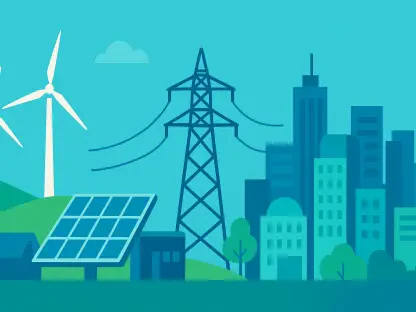

The United States electrical grid is currently navigating a period of profound structural change that marks the end of the traditional centralized power model. As of mid-2026, the nation’s operational utility-scale battery capacity has reached an impressive 52 gigawatts, a figure that seemed nearly impossible just a few years ago. This surge is primarily driven by the urgent need for a more resilient infrastructure capable of balancing the intermittent nature of renewable energy sources like wind and solar. Modern utility companies are no longer treating storage as an experimental luxury; instead, it has become a fundamental pillar of energy reliability. Recent data from the Energy Information Administration indicates that this sector has maintained an average annual growth rate of 70% over the last few years. This momentum reflects a broader industry consensus that high-capacity storage is essential for stabilizing the grid against extreme weather and shifting demand patterns. Furthermore, the rapid decline in lithium-ion battery costs has allowed these massive projects to compete directly with gas-fired peaker plants, fundamentally altering the economics of energy production and transmission across all regions.
Accelerating Growth: Future Capacity Targets
Doubling Capacity: Market Projections and Trends
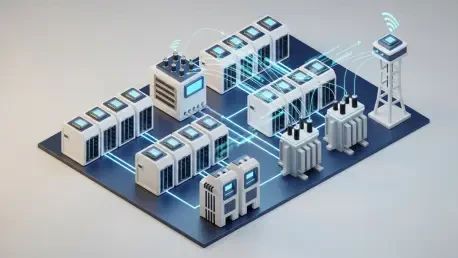
The pathway leading toward 2028 suggests that the current storage footprint is poised to more than double in size within a remarkably short timeframe. Developers have already scheduled an additional 54 gigawatts of capacity to come online over the next two years, with a staggering 26 gigawatts anticipated for 2027 alone. This aggressive deployment schedule illustrates a massive financial and logistical commitment from both private investors and federal agencies aiming to solidify the nation’s energy security. If these projects reach completion as planned, the United States will have successfully transformed its storage capabilities by over 100% in less than thirty months. Such rapid scaling is unprecedented in the utility sector and signals a permanent shift in how energy is managed. Grid operators are preparing for this influx by upgrading substation hardware and expanding interconnection queues to ensure that these massive battery arrays can deliver power efficiently during peak loads. This expansion is not merely about adding capacity but about reconfiguring the way electricity flows across state lines.
Long-Term Evolution: Sector-Wide Expansion Strategies
Beyond the immediate projections for 2028, the trajectory for the energy storage market points toward a cumulative total of 200 gigawatts by the early 2030s. While utility-scale projects dominate the headlines, the expansion is also being fueled by significant growth within the commercial, industrial, and residential sectors. This multi-tiered approach creates a more decentralized and robust grid, where storage happens at every level of the electrical ecosystem. Policymakers are increasingly recognizing that a mix of large-scale arrays and distributed resources is the most effective way to prevent localized outages and reduce transmission costs. As the cost of lithium-ion and alternative battery chemistries continues to decline, the economic argument for these installations becomes even more compelling. Investors are shifting their portfolios away from traditional fossil fuel peaking plants in favor of these flexible assets, which offer faster response times and lower operational expenses over their long lifecycle. This shift also encourages the development of more diverse energy markets that value flexibility.
Strategic Drivers: The Global Energy Landscape
Enhancing Reliability: Solar Integration and Asset Management
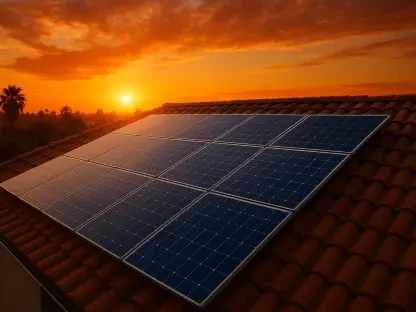
One of the most significant strategic developments in the current energy landscape is the rise of co-location, where solar generation and battery storage are integrated into a single facility. Projects like the Bellefield Solar and Gemini Solar installations serve as blueprints for this hybrid model, allowing operators to store excess energy during periods of peak sunlight and release it during the high-demand evening hours. This practice, known as energy arbitrage, maximizes the profitability of renewable assets while providing a predictable and stable supply of electricity to the grid. By pairing these technologies, developers can mitigate the issues of solar curtailment, where excess production is otherwise wasted due to lack of immediate demand. This integration also simplifies the interconnection process, as a single site can provide multiple grid services, including frequency regulation and voltage support. As these large-scale hybrid plants become the new standard, the distinction between variable generation and reliable baseload power continues to blur for most utility providers.
Global Context: Infrastructure and Technological Optimization
The rapid expansion of American battery capacity is occurring within a global context, as nations like Australia and Germany pursue similar decarbonization goals through massive storage investments. To sustain this upward trend, the industry must prioritize auxiliary investments in high-voltage transmission lines and advanced asset management software. Managing a fleet of batteries that exceeds 100 gigawatts requires sophisticated algorithms capable of optimizing battery health while participating in complex energy markets. These software platforms use predictive analytics to determine the best times to charge and discharge, ensuring that assets remain operational for their full intended lifespan. Furthermore, the development of domestic supply chains for critical minerals and battery components will be essential to avoid bottlenecks that could delay future projects. As the technology matures, the focus is shifting from simple capacity additions to the long-term optimization of these assets, ensuring they provide maximum value to both the utilities and the consumers they serve.
Industry Evolution: Long-Duration Solutions and Cybersecurity
The realization of a high-capacity energy storage network necessitated a fundamental rethink of grid architecture and market design. Achieving the 2028 targets required stakeholders to move beyond initial pilot programs and commit to large-scale infrastructure that could withstand shifting economic climates. To move forward, industry leaders prioritized the development of long-duration storage technologies capable of providing power for more than four hours at a time. This transition also involved implementing more robust cybersecurity measures to protect these increasingly digital assets from emerging threats. Grid operators focused on creating standardized protocols for battery integration, which allowed for faster deployment and reduced engineering costs across diverse regions. By treating battery storage as a versatile tool rather than a niche backup system, the energy sector established a more flexible and reliable foundation. Continued success depended on maintaining this momentum through sustained investment in both physical hardware and the specialized workforce needed to manage these sophisticated systems safely.