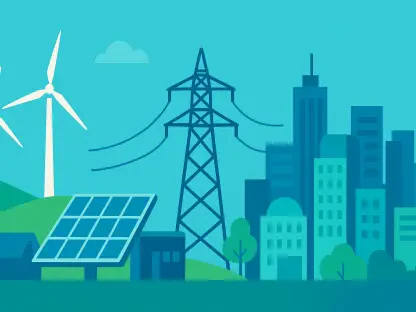

Energy experts estimate that the national grid requires approximately 10 GW of new or restored capacity to offset current generation shortages and reduce dependence on EU imports. This monumental task comes at a time when the energy sector is undergoing a profound transformation, moving away from the vulnerable, centralized structures of the past toward a nimble and decentralized architecture. The first half of 2026 has witnessed an unprecedented surge in renewable energy adoption, specifically in the realms of solar photovoltaic systems and advanced battery storage. By integrating these technologies, the nation is not merely patching a broken system but is actively building a modern infrastructure capable of withstanding external shocks while meeting the rising demands of both residential and industrial consumers. This shift reflects a broader commitment to a green transition that prioritizes reliability over traditional fossil fuel dependency.
Solar Power Advancements and Market Evolution
Strategic Shifts in Distributed Generation
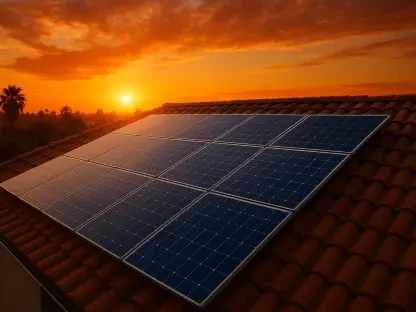
The current landscape of solar energy indicates a massive move toward decentralized power, with the total installed capacity reaching between 9.4 GW and 9.7 GW as of mid-2026. This trajectory is defined by a robust annual growth pattern, where the additions for the current year are expected to reach a significant milestone of 2 GW. A defining characteristic of this expansion is that approximately 80% of new installations consist of small-scale projects, typically under 1 MW, which are primarily designed for self-consumption. This trend is not accidental; it represents a tactical shift away from massive, centralized plants that present easy targets for disruption. By scattering generation sources across thousands of smaller sites, the power system becomes inherently more resilient. These distributed systems ensure that localized outages do not cascade into regional blackouts, providing a layer of protection that was previously unattainable under older, more concentrated energy models.
The Economic Driver for Local Energy Systems
Looking forward through 2026 and into 2028, the focus remains on scaling these decentralized assets to ensure every administrative region maintains a level of energy autonomy. The growth from the 800 MW added two years ago to the 1.5 GW added last year highlights an accelerating curve of adoption that shows no signs of slowing down. For many businesses and municipalities, solar power has moved from being an environmental choice to a critical survival strategy. Large-scale industrial users are increasingly commissioning their own arrays to bypass the volatility of the wholesale market and ensure operational continuity. This surge is also driving a local manufacturing boom for mounting systems and electrical components, further embedding the renewable sector into the national economic fabric. As the technical expertise of local installers grows, the speed of deployment continues to increase, allowing for rapid recovery in areas where the traditional energy infrastructure has been compromised or destroyed.
Strengthening Resilience Through Energy Storage
Integration of Battery Systems for Stability
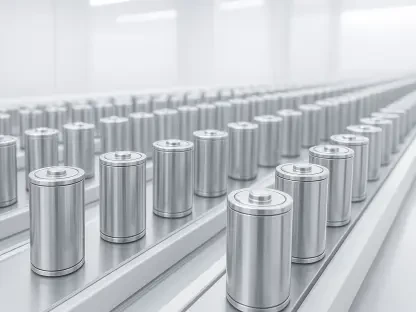
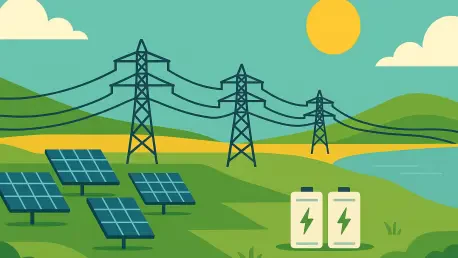
Energy storage has emerged as a cornerstone of the national resilience strategy, with significant strides made during the first half of 2026. Data from the Solar Energy Association of Ukraine indicates that the country added between 1.6 GWh and 1.9 GWh of storage capacity in just six months, with a full-year target of 3.2 GWh. These systems serve a critical dual purpose, functioning as vital backup power for households and critical infrastructure while providing economic stability for commercial enterprises. By preventing losses associated with operational downtime, battery storage has become an essential investment for any facility requiring a constant power supply. Furthermore, the global decline in equipment costs has incentivized the widespread adoption of solar-plus-storage configurations. This pairing allows users to maximize their self-consumption by storing excess energy generated during peak sunlight hours for use at night or during grid fluctuations, effectively stabilizing electricity costs for the long term.
Strategic Evolution: Building a Resilient Network
Looking ahead, the shift toward deepening integration with the European electricity market and securing concessional funding for large-scale microgrid development proved essential. These autonomous energy hubs, which combined solar and storage with other distributed sources, offered a blueprint for the future of energy security. The transition was largely successful because it moved beyond temporary fixes to embrace a comprehensive redesign of the power landscape. Moving forward, policymakers prioritized the expansion of state-run auctions and further refined the feed-in tariffs to encourage storage-heavy projects. Efforts to train a specialized workforce were essential to maintain the growing fleet of renewable assets through 2028 and beyond. By establishing a robust regulatory framework that favored flexibility and decentralized generation, the nation ensured that its energy future was built on a foundation of diversity and technological innovation. This strategy provided a clear path toward a modernized grid.