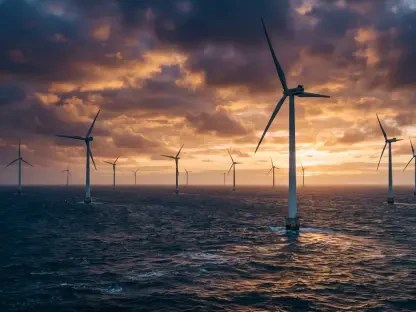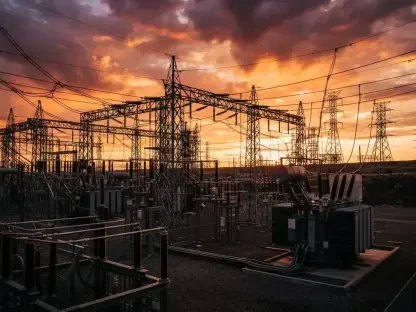

The sudden convergence of an unprecedented artificial intelligence boom and a global mandate for carbon neutrality has pushed the world’s power grids to a breaking point that traditional renewable sources simply cannot rectify on their own. While solar and wind remain integral components of the broader energy mix, the inherent intermittency of these technologies has left a massive void in the “always-on” baseload power required by the massive data centers fueling the modern digital economy. This fundamental shift in utility requirements has repositioned nuclear energy from a legacy solution to the primary pillar of energy security, creating a structural supply deficit that is now driving a historic uranium supercycle. As utilities scramble to secure long-term contracts for raw materials, the market is witnessing a tectonic shift in valuation for companies that control the most critical points of the supply chain. This current environment presents a unique intersection where high-tech electricity demand meets old-world mining constraints.
Cameco: The Foundation of Global Supply
Strategic Dominance and High-Grade Assets
Cameco has managed to solidify its status as the bedrock of the global uranium industry by curating a portfolio of high-grade assets that remain largely unmatched by its peers. Central to this dominance is the company’s recent strategic maneuver to increase its ownership stake in the Cigar Lake mine, which is widely regarded as one of the most prolific and highest-grade uranium deposits on the planet. By securing a larger piece of this tier-one asset, the company has effectively gained the ability to influence global pricing through disciplined supply management and operational scaling. This level of control is particularly important in the current market, where geopolitical tensions and supply chain bottlenecks have made the acquisition of reliable, high-purity material a top priority for nuclear plant operators across North America and Europe. The company’s focus on premium production facilities allows it to maintain healthy margins even during periods of broader economic volatility.
Operational Resilience and Market Influence
Beyond its sheer physical capacity, the company’s ability to navigate the complex regulatory and environmental landscapes of Saskatchewan has proven to be a significant competitive advantage. Despite facing occasional logistical hurdles at its key sites, the organization has consistently demonstrated the agility required to meet its ambitious annual production targets without compromising safety or environmental standards. This operational resilience is backed by a robust balance sheet characterized by significant cash reserves and a massive backlog of long-term supply contracts that extend well into the coming decade. For large-scale institutional investors, this combination of physical asset depth and fiscal discipline offers a level of safety that is rare in the volatile mining sector. As the global push for decarbonization intensifies, the company’s established infrastructure and strategic reserves position it as the primary beneficiary of the increasing demand for green baseload power.
Standard Uranium: The Exploration Catalyst
Integrating Artificial Intelligence Into High-Stakes Mining
In the highly competitive landscape of the Athabasca Basin, Standard Uranium is revolutionizing traditional geological practices by integrating advanced artificial intelligence into its exploration workflows. By utilizing sophisticated AI algorithms to process decades of seismic and electromagnetic data, the company is now able to identify high-potential drilling targets with a level of precision that was previously unattainable through manual analysis alone. This data-centric approach drastically reduces the time and capital required to locate new deposits, which is essential in a region known for its complex geological structures and challenging terrain. The integration of technology into the early stages of mining not only minimizes the inherent risks of exploration but also attracts a new generation of tech-savvy investors who recognize the value of digital transformation in heavy industry. These AI-powered surveys have already yielded promising leads at the Davidson River project.
Capital Efficiency and the Project Generator Model
The company further distinguishes itself through a “project generator” business model that prioritizes capital efficiency and strategic partnerships over high-burn standalone operations. This model allows the firm to maintain an interest in a diverse array of high-potential sites while sharing the heavy financial burden of drilling and infrastructure development with other established mining firms through earn-in agreements. By diversifying its geographical exposure and leveraging the capital of its partners, the organization can explore multiple projects simultaneously, significantly increasing the probability of a major discovery without overextending its own balance sheet. Recent developments at the Rocas Project have already showcased the potential of this strategy, where initial exploration has revealed significant radioactivity and geological indicators common in high-grade uranium systems. This approach provides a high-leverage opportunity for investors to benefit from discovery.
Energy Fuels: Infrastructure and Diversification
Dominating the Domestic Supply Chain and Critical Minerals
Energy Fuels holds an unparalleled strategic advantage within the United States market as the owner and operator of the White Mesa Mill, which currently stands as the only functioning conventional uranium mill in the nation. This facility serves as a critical bottleneck in the domestic supply chain, allowing the company to process ore from its own mines as well as material from other smaller producers who lack their own milling infrastructure. In an era where energy independence has become a central pillar of national security policy, having a domestic processing hub is of vital importance to the American nuclear industry. This infrastructure allows the company to maintain a low-cost production profile while avoiding the geopolitical risks associated with relying on foreign enrichment and processing facilities. By centralizing its operations around this unique asset, the organization has created a moat that is difficult for competitors to replicate in the burgeoning energy landscape.
Expansion Into Rare Earth Elements and Defense Tech
The company has also made bold moves to diversify its revenue streams by expanding into the extraction and processing of rare earth elements, which are essential components for modern technology. These materials are critical for the production of high-performance magnets used in electric vehicle motors, wind turbines, and advanced defense systems, many of which are seeing explosive growth. By upgrading its existing milling infrastructure to accommodate the separation of these minerals, the company is effectively transforming itself into a multi-commodity hub for critical minerals that are necessary for the global green energy transition. This diversification provides a significant hedge against potential fluctuations in the spot price of uranium while allowing the company to tap into broader technological trends. The synergy between nuclear fuel production and rare earth processing positions the firm at the very center of the global shift toward cleaner, more secure energy ecosystems.
The 2026 Supercycle Outlook: Strategic Insights
Actionable Insights for the Energy Transition
When analyzing the current state of the market, it becomes clear that a balanced investment strategy requires exposure to different segments of the uranium lifecycle to maximize returns while managing risk. Cameco serves as the reliable anchor for any energy-focused portfolio, offering scale and stability through its massive production capacity and deep-rooted industry relationships. In contrast, Standard Uranium provides the high-reward potential associated with cutting-edge exploration and artificial intelligence, targeting the massive value creation that occurs during the discovery of new deposits. Finally, Energy Fuels offers a unique infrastructure play that bridges the gap between raw material extraction and the critical mineral needs of the high-tech sector. Together, these three entities represent a comprehensive cross-section of the industry, addressing the immediate need for fuel as well as the long-term requirement for technological innovation and energy security.
Future Considerations: The Path Forward
The strategic decisions made by these industry leaders proved to be essential in navigating the supply constraints that defined the initial phases of the uranium supercycle. Investors who recognized the shift toward nuclear power as a primary energy source found themselves well-positioned to benefit from the subsequent revaluation of high-quality mining and processing assets. As the global energy landscape continued to evolve, the importance of maintaining a diverse and resilient supply chain became the primary focus for policymakers and industrial planners alike. The successful integration of advanced technology and domestic infrastructure provided a clear path forward for those seeking to secure their energy future in an increasingly complex geopolitical environment. Moving forward, the focus was placed on the implementation of next-generation reactor technologies and the continued expansion of critical mineral processing capabilities to support global growth. This era solidified the role of uranium as a foundational element of the economy.