
The national power grid of China has evolved into a sophisticated nervous system that sustains a sprawling economy rapidly digitizing its industrial base and decarbonizing its energy supply. This infrastructure now serves as a fundamental pillar of national strategy, acting as the primary conduit for what policymakers define as new quality productive forces. As the country transitions from a heavy reliance on traditional industrial power usage toward a complex mix of high-end manufacturing and digital infrastructure, the grid must perform with unprecedented precision. The recent surge in the national state grid load to a record peak of 1.553 billion kilowatts is not merely a seasonal fluctuation but a clear signal of structural economic resilience that impacts global energy markets.
This escalating demand highlights the emergence of two primary market segments that are reshaping the national load profile. The secondary sector is increasingly dominated by technology-driven manufacturing, while the tertiary sector is experiencing a boom centered on expansive electric vehicle charging networks. Consequently, the power grid is being redesigned to manage the intense requirements of an economy that prioritizes intelligence and efficiency over raw industrial output. This shift ensures that the energy infrastructure remains a reliable platform for the next generation of domestic and international commerce.
The Current Landscape of China’s Expanding Energy Infrastructure
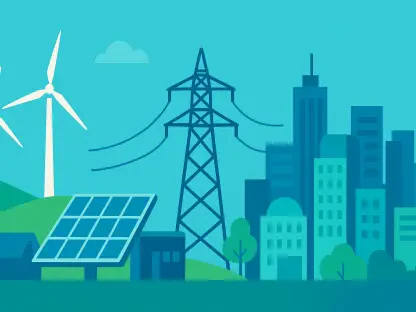
The contemporary energy map of China reveals a significant departure from the smoke-stack industrialism that characterized previous decades. Today, the expansion of the grid is focused on supporting advanced manufacturing hubs and massive data center clusters that require constant, high-quality electricity. By integrating ultra-high voltage transmission lines and automated load-balancing systems, the state is creating a resilient network capable of bridging the gap between remote renewable energy sources and the dense industrial centers in the east. This transformation reflects a broader national strategy to ensure energy security while fostering a transition to high-value-added production.
Moreover, the grid is becoming a central component of the digital economy, where the stability of power delivery is as critical as the speed of data transmission. The focus has moved beyond simply meeting demand to optimizing the way energy is consumed across diverse sectors. This sophisticated approach involves the deployment of smart-grid technologies that can respond in real-time to the needs of robotic assembly lines and automated logistics centers. As a result, the energy infrastructure has become a key differentiator in the global race for technological supremacy, providing a stable foundation for a modernized industrial base.
Catalysts of Consumption and Quantitative Growth Metrics
Key Drivers Propelling the Intelligent Industrial Shift
Intelligent transformation has emerged as the most potent force behind the recent spikes in electricity consumption. The rapid expansion of internet data services and artificial intelligence infrastructure led to a 44 percent surge in demand from these sectors during the first half of the year. This growth is driven by the massive computing power required to train large-scale models and manage the data flows of an increasingly connected society. Unlike economies where AI is primarily a service-oriented tool, the Chinese model integrates these technologies directly into the physical production of goods, creating a unique industrial AI energy profile.
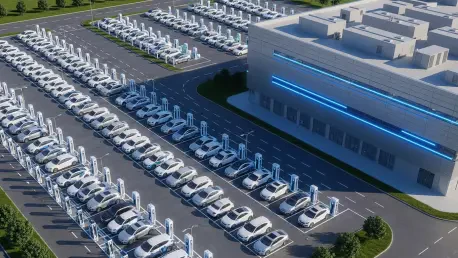
Furthermore, the mass adoption of electric vehicles has fundamentally altered the daily load profile of urban and rural areas alike. Charging service consumption increased by 56.9 percent, reflecting a nationwide commitment to clean transportation that requires a robust and accessible power supply. Simultaneously, high-tech equipment manufacturing, particularly in the realm of electrical machinery, has established a consistent and growing baseline for energy demand. These drivers ensure that even as traditional heavy industry becomes more efficient, the total consumption of the nation continues to rise as it moves toward a fully electrified future.
Analyzing the Numbers: Statistical Milestones and Projections
Regional performance indicators confirm that this upward trend in energy usage is a nationwide phenomenon with several provinces hitting all-time highs. Shandong, Tianjin, and Anhui all reported record loads, providing a statistical baseline for projections that suggest the national summer peak will climb toward 1.6 billion kilowatts. These milestones are a direct reflection of the deepening industrialization of the interior provinces and the continued technological dominance of the coastal regions. The data suggests that the peak loads are becoming more frequent and more intense, necessitating a proactive approach to grid management.
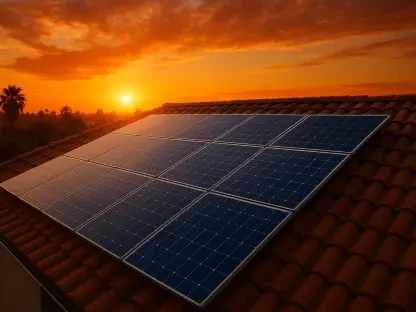
Amidst this rising demand, the pivot toward green energy has reached a critical tipping point that reshapes the national generation mix. Renewable capacity has now reached a staggering 1.95 billion kilowatts, and for the first time, coal dependency in the national energy profile has dropped below the 50 percent threshold. This transition is essential for meeting aggressive climate targets while sustaining the high energy requirements of a modern economy. The ability to integrate such vast quantities of wind and solar power into the national grid is a testament to the ongoing technical advancements in energy management and transmission.
Structural Bottlenecks and the Challenges of Grid Modernization
The sheer scale of record-breaking peak loads introduces significant complexities, especially when managing consumption during extreme weather events. Heat waves create sudden and massive spikes in demand that test the physical limits of transmission hardware and the logistical capabilities of regional operators. Maintaining stability during these periods requires a level of coordination and foresight that was previously unnecessary in a more traditional energy environment. The challenge lies in ensuring that the grid can handle these temporary surges without compromising the long-term reliability of the system.
In contrast to fossil fuel-based systems, integrating intermittent renewable sources like wind and solar requires advanced storage solutions and flexible grid architectures. The technical difficulty of maintaining a stable frequency and voltage across a national network while relying on variable energy sources is a major bottleneck for continued growth. Consequently, there is an urgent need for massive investments in large-scale energy storage and smart-grid infrastructure to prevent outages and ensure efficiency. Mitigating the environmental impact of such high energy demand remains a priority, requiring a delicate balance between industrial expansion and carbon reduction strategies.
Policy Frameworks and Regulatory Pillars Supporting Energy Security
The National Energy Administration plays a central role in coordinating regional grid stability through sophisticated peak-shaving strategies and regulatory oversight. By implementing government mandates for the development of shared energy storage stations, the state is forcing a top-down modernization of the entire energy sector. These regulations are designed to ensure that the transition toward a low-carbon mix does not compromise the security or reliability of the power supply. This regulatory framework provides the certainty needed for long-term industrial planning and infrastructure investment.
Additionally, the pursuit of Dual Carbon goals has led to the establishment of strict standards for energy efficiency across all sectors of the economy. High-tech industries are now required to adhere to rigorous compliance measures that ensure their growth is sustainable and aligned with national environmental objectives. These policies encourage the adoption of smart-grid technologies and the integration of renewable energy at the factory level. By fostering a culture of efficiency and security, the government is creating a resilient energy system that can support the intensive demands of a high-tech future.
The Road Ahead: Forecasting an Electrified and Digitized Economy
The future of the national economy is increasingly defined by industrial AI, which is expected to create a high, round-the-clock base load for power generation. This persistent demand will move the grid away from traditional peak-and-trough cycles toward a more consistent and predictable consumption pattern. As AI becomes embedded in every aspect of production, the power grid will need to be even more resilient to support the constant flow of energy required for automated systems. This evolution will likely lead to the export of grid-stabilization and energy-storage innovations to international markets seeking to modernize their own infrastructure.
Furthermore, consumer preferences are shifting toward fully electrified transport and smart-home ecosystems that integrate seamlessly with the national grid. This trend will be supported by emerging technologies in ultra-high voltage transmission, which will bridge the geographical gap between remote renewable energy hubs and major industrial centers. As the economy becomes more digitized, the distinction between the energy sector and the technology sector will continue to blur. The resulting ecosystem will be characterized by a high degree of connectivity, where every home and factory acts as both a consumer and a potential contributor to the national energy balance.
Strategic Synthesis: Power Demand as the Pulse of a New Era
The structural shift from seasonal temperature-driven spikes to technology-driven sustained demand provided clear evidence that the national economy had entered a new phase of development. Record consumption levels validated the transition toward a high-value, electrified system where energy use served as a direct metric for innovation and industrial output. This evolution proved that the nation could maintain robust economic momentum while simultaneously reducing its reliance on traditional fossil fuels. The ability of the grid to support massive loads from AI infrastructure and electric vehicles demonstrated the success of the long-term infrastructure strategy.
For stakeholders and investors, the growth potential was most evident in the sectors surrounding energy storage, renewable integration, and smart manufacturing. These areas offered the most significant opportunities for capital appreciation as the country continued its pursuit of a digitized and sustainable future. Ultimately, the successful management of record power demand proved to be a defining characteristic of a modernized economy that prioritized both technological leadership and environmental responsibility. This period of rapid change established the foundation for a resilient energy system that will power national ambitions for decades to come.