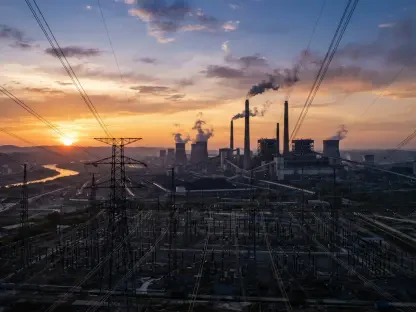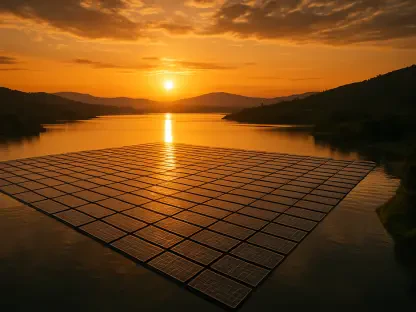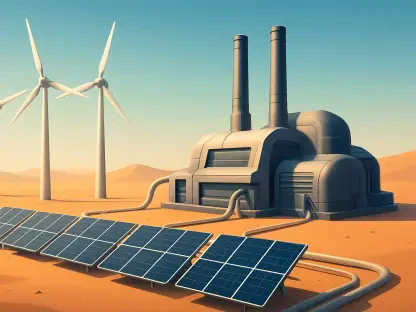

The global automotive industry is currently navigating a period of tempered expectations as the initial surge in electric vehicle adoption encounters a significant plateau often referred to as the EV chasm. This cooling demand has prompted major industry players like LG Energy Solution to recalibrate their long-term growth strategies by shifting focus toward the burgeoning Energy Storage Systems (ESS) market. By pivoting away from a singular reliance on the passenger vehicle sector, the company is positioning itself to capture value from the critical infrastructure needs of a modern digital economy. This transition is not merely a defensive maneuver against market volatility but a proactive step to address the immense power requirements driven by the rapid expansion of artificial intelligence and renewable energy integration. As global power grids struggle to keep pace with the energy-hungry demands of hyperscale data centers, the role of large-scale battery storage has evolved into a foundational pillar of the world’s energy security and industrial continuity.
Adaptive Manufacturing: Repurposing Assets for AI and Utility Demands
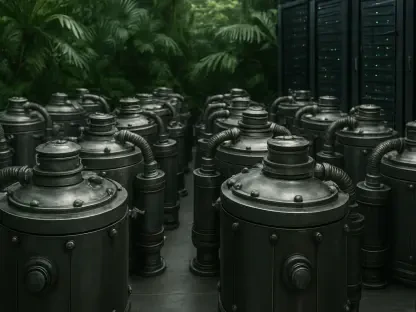
To facilitate this strategic redirection, the company is aggressively repurposing its North American manufacturing footprint, which was originally optimized for the high-volume production of automotive battery cells. Rather than allowing these capital-intensive facilities to sit idle or operate at reduced capacity during the electric vehicle market slowdown, several key production hubs are being converted into dedicated centers for energy storage units. This transformation ensures that factory utilization remains high while allowing the company to serve the specific technical requirements of large-scale utility projects and commercial energy users. The manufacturing shift involves retooling assembly lines to handle larger form factors and different chemistry configurations that are better suited for stationary applications. By localizing production within the North American region, the company also minimizes logistics costs and strengthens its relationship with domestic utilities that are desperate for reliable, locally sourced storage solutions to stabilize infrastructure.
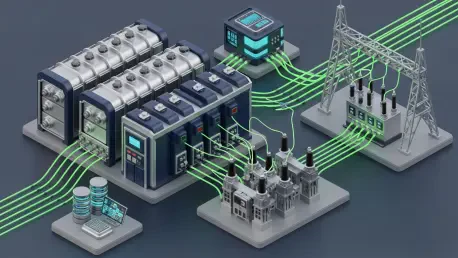
Beyond standard utility applications, these newly repurposed manufacturing centers are increasingly focused on the unique energy demands of Big Tech corporations that are racing to expand their artificial intelligence capabilities. Artificial intelligence data centers require a continuous and massive supply of electricity, which existing traditional power grids often cannot provide without multi-year delays in substation upgrades and transmission expansion. To solve this problem, the company is prioritizing the development of off-grid and onsite energy storage solutions that allow data center operators to bypass these conventional infrastructure bottlenecks. These systems integrate high-capacity battery storage with onsite renewable sources like solar or wind power, providing an immediate and reliable energy stream that is independent of the regional grid’s limitations. This strategy not only caters to the urgent timelines of the technology sector but also creates a specialized market niche where the company can offer high-margin energy management services alongside its battery hardware.
Strategic Innovation: Sodium-Ion Solutions and Global Energy Policy
Technological innovation remains a fundamental cornerstone of this strategy, particularly with the development of sodium-ion battery technology, often referred to as “salt batteries,” to address long-term grid transmission issues. These units offer a cost-effective alternative to lithium-ion technology for massive energy storage projects because they utilize sodium, which is more abundant and less expensive to extract than lithium. The company has established a clear roadmap for this technology, with plans to begin testing these sodium-ion units in the United States by 2027, with full commercialization expected by 2029. By storing energy generated from wind and solar power in remote areas, these large-scale ESS units can feed into existing networks more efficiently, minimizing the need for massive new construction projects. This approach solves the intermittency problems inherent in renewable energy, ensuring a more stable and carbon-neutral power supply for industrial clusters that cannot afford the decade-long wait times for traditional high-voltage lines.
The strategic shift away from a primary focus on automotive batteries demonstrated how industrial leaders successfully adapted to shifting market dynamics while maintaining their technological advantages. By identifying the critical intersection of renewable energy needs and the power demands of artificial intelligence, the company moved beyond the limitations of the electric vehicle market. Future considerations for the energy sector emphasized the rapid scaling of alternative chemistries like sodium-ion to ensure that supply chain vulnerabilities did not hinder grid modernization. Organizations recognized that investing in localized manufacturing and distributed grid technologies allowed them to bypass the inherent delays of traditional transmission infrastructure. The successful integration of large-scale storage into global power networks depended on the ability to combine policy incentives with continuous chemical innovation. These developments provided a clear pathway for creating resilient, off-grid solutions that sustained the next wave of industrial advancement globally.