
Christopher Hailstone is a seasoned authority in the complex world of energy management and grid reliability, bringing years of expertise in how we move electricity from massive generators to the homes and businesses that depend on it. In this discussion, we explore the critical intersection of industrial growth and utility infrastructure, examining how massive new energy users can either be the key to a modernized grid or a significant financial burden for the average consumer. The conversation dives into the economic risks of cost-shifting, the technical advantages of remaining on an interconnected system versus going off-grid, and the staggering billions currently being invested to ensure our electrical backbone can withstand the pressures of extreme weather and evolving demand.
How does the presence of massive energy users actually serve as a catalyst for modernizing our aging electrical infrastructure?
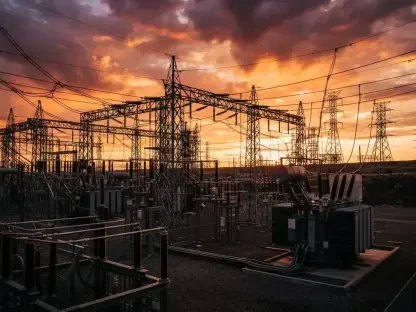
Large-load customers act as a powerful engine for development because their sheer scale justifies the massive capital required for high-tech upgrades that might otherwise be impossible to fund. When a utility sees a significant surge in demand from a major facility, it provides the financial backbone needed to greenlight investments in new transmission lines and state-of-the-art substations. We are talking about modern grid technologies like real-time monitoring, advanced automation, and sophisticated control systems that enhance reliability for every single person on the network. By integrating these large players transparently and ensuring they pay their fair share, we can spread the fixed costs of maintaining the system across a much wider base, essentially using industrial growth to bankroll a more resilient and automated future.
What are the potential financial consequences for the average homeowner if these large-scale industrial customers do not contribute fairly to the grid’s fixed costs?
If we do not manage these transitions with total transparency, the financial burden could shift dramatically onto the shoulders of the average homeowner and small business owner. The numbers are quite sobering; if these large loads fail to contribute to fixed grid costs, the nationwide cost shift for transmission alone is estimated to reach between $120 billion and $169 billion over a 30-year period. You can imagine the economic stress this puts on a community when a local utility is forced to figure out how to pay for essential upgrades without a fair contribution from its largest users. The complexity of our current system, combined with the increasing frequency of violent, extreme weather, means we need more capital than ever before just to keep the lights on, making it vital that large users don’t leave smaller customers holding the bill.
Given the rise of independent, on-site power solutions, why is the traditional interconnected grid still considered the most reliable option for these large loads?
While on-site generation might look like an attractive interim solution for a company waiting to plug into the grid, widespread reliance on off-grid systems simply isn’t a durable path forward. The interconnected nature of the U.S. power grid is a massive reliability asset because it allows for a shared defense against localized equipment failures or sudden supply interruptions that would cripple an isolated system. We have seen time and again that interconnected systems are far better at withstanding extreme weather events compared to isolated “islands” of power that have no backup. Even major tech giants like Amazon recognize this reality, choosing to actively partner with utilities to strengthen the existing grid rather than trying to bypass it with standalone, behind-the-meter resources.
With utility spending already on the rise, how do these new investments reflect the changing priorities of energy delivery in the United States?
We are currently witnessing a staggering level of investment into our nation’s power veins, with electric utilities on track to spend $239 billion this year alone to expand and fortify the grid. This surge in spending isn’t a new phenomenon, as data shows annual utility expenditures for delivery and production rose by 12% between 2003 and 2023 when adjusted for inflation. This money is being poured into the literal backbone of our country—new transmission towers, advanced automation, and the storm recovery efforts that follow devastating natural disasters. Large-load growth provides the unique opportunity to make these investments more affordable for everyone by widening the pool of people paying into the system, ensuring that the infrastructure remains robust even as system complexity grows.
What is your forecast for the future relationship between big tech companies and the national power grid?
I anticipate a shift toward much deeper integration where large-load customers become active partners in grid stability rather than just passive, high-volume consumers. We will likely see more sophisticated “large-load tariffs” across many states that require these entities to fund reliability-driven infrastructure and contribute significantly to storm recovery costs. While some companies may flirt with the idea of going off-grid to save time, the overwhelming benefits of a shared, resilient network will keep the major players tethered to the utility system for the long haul. Ultimately, the successful evolution of our grid depends on this symbiotic relationship, ensuring that massive demand leads to a stronger, more automated system that serves the public good while keeping electricity affordable for the average family.