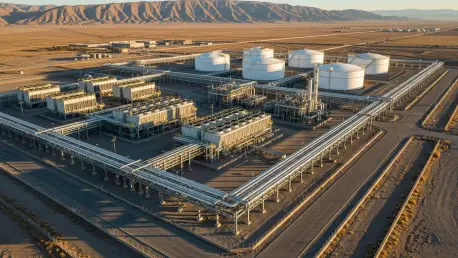

The strategic importance of the Khor Mor gas field has evolved from a local energy source into a critical pillar of regional stability that dictates the economic survival of the Kurdistan Region of Iraq. Situated in the Chamchamal district, this facility currently serves as the primary fuel source for the vast majority of the region’s power generation capacity. Without the steady flow of natural gas from this specific site, the electrical grid would effectively collapse, plunging millions into darkness and stalling industrial production. The vulnerability of this site became a focal point for international observers as regional tensions translated into physical threats against energy infrastructure. Protecting this asset is no longer just a matter of corporate interest for Pearl Petroleum; it has become a fundamental requirement for the sovereignty of the Kurdish administration. The reliance on a single point of failure highlights the success of the field and the precarious nature of the energy balance.
The Infrastructure Backbone: Powering the Kurdish Heartland
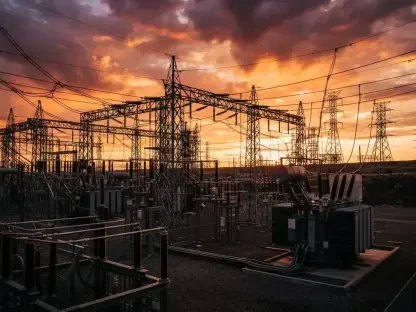
Khor Mor functions as the vital center of an intricate energy network that bridges the gap between raw resource extraction and civilian utility. Current production levels have surpassed previous benchmarks, facilitating the operation of major power stations like those in Erbil and Sulaymaniyah. This transition toward gas-fired electricity was designed to reduce the region’s dependence on expensive and environmentally damaging liquid fuels. However, this shift created a centralized dependency that makes the entire energy sector sensitive to any disruption at the source. Engineering teams have worked tirelessly to maintain the 24-hour operational cycle required to meet peak demand during the harsh summer and winter months. The integration of advanced monitoring systems and safety valves has enhanced operational efficiency, but the fundamental challenge remains the scale of the geographical area that must be monitored. This infrastructure represents the culmination of billions of dollars in foreign investment and years of expertise.
Beyond the mechanical aspects of gas extraction, the facility serves as a catalyst for broader economic development throughout the Sulaymaniyah governorate and beyond. The availability of consistent energy has allowed small and medium enterprises to flourish, providing a rare sense of stability in an otherwise volatile market. Furthermore, the local employment generated by the field and its associated logistics chains has created a specialized workforce capable of managing complex petrochemical operations. This human capital is essential for the long-term goal of energy independence, as it reduces the reliance on expatriate technicians for daily maintenance. The social contract between the regional government and its citizens depends heavily on the utility services powered by Khor Mor. Any significant interruption in gas delivery immediately translates into social unrest, demonstrating that energy security is intrinsically linked to public order. The fiscal health of the region is tied to continued expansion and the mitigation of risks.
Geopolitical Volatility: Securing the Gas Flow
The geographical positioning of Khor Mor places it at the center of a complex web of regional interests and rivalries. In recent months, the facility has faced intermittent threats from unmanned aerial vehicles and rocket fire, necessitating a robust defensive posture by the Peshmerga and local security forces. These incidents are rarely isolated events; instead, they often serve as kinetic messages intended to influence political negotiations between Erbil and Baghdad or to project power by neighboring states. Strengthening the defensive perimeter around the gas field required the deployment of sophisticated radar systems and counter-drone technologies. This militarization of energy infrastructure highlights the reality that gas fields are now considered front-line assets in regional conflicts. International partners have recognized this shift, leading to increased cooperation in intelligence sharing and training to protect the personnel operating the site. The ability to deter such attacks is vital for safety.
The ongoing expansion project, frequently referred to as KM250, represents a significant leap forward in the region’s ambition to become a gas exporter. By increasing the daily output by an additional 250 million standard cubic feet, the Kurdistan Region aims to secure its domestic needs while potentially supplying the rest of Iraq. This transition from a domestic provider to a regional energy hub requires delicate diplomatic maneuvering with the federal government in Baghdad. Disputes over budget allocations and oil and gas laws have often complicated the operational landscape, yet the mutual benefit of increased gas production offers a potential bridge for cooperation. Efficient utilization of Khor Mor’s reserves could alleviate the chronic power shortages across the entire country, provided that the necessary pipeline infrastructure is secured and maintained. The strategic vision involves transforming the field into a cornerstone of a unified energy policy that transcends partisan divides.
A Strategic Path: Strengthening the Energy Foundation
The trajectory of Kurdish energy policy necessitated a paradigm shift that focused on hardening existing infrastructure while simultaneously diversifying the energy mix to mitigate risks. It was recognized that relying solely on a single massive field like Khor Mor, despite its immense productivity, left the region vulnerable to targeted sabotage. Strategic planners implemented a comprehensive security framework that integrated private security expertise with state military resources to create a more resilient defensive layer. Authorities also prioritized the development of alternative energy projects, such as solar farms and hydroelectric upgrades, to provide a secondary buffer for the grid. These measures were complemented by a more proactive diplomatic engagement with federal entities, which helped stabilize the legal and financial environment surrounding gas extraction. The implementation of these multi-faceted strategies ensured that energy security was no longer treated as a technical challenge but as a national priority.