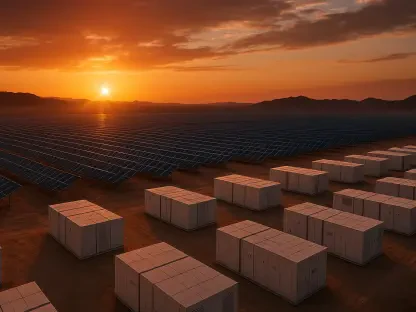

The rapid integration of variable renewable energy into the Indian national grid has transformed battery storage from a speculative infrastructure project into an absolute necessity for sustaining energy security. This shift is moving battery energy storage systems from a niche role to a cornerstone of the national strategy.
Mapping the Evolution of India’s Battery Energy Storage Landscape
The domestic energy landscape is witnessing a pivot where storage is no longer just an accessory but a primary grid component. This evolution spans from massive utility-scale installations that stabilize the national transmission network to specialized commercial and retail applications that prioritize cost-efficiency.
Strategic shifts are actively reducing the heavy reliance on imported technology by fostering domestic manufacturing capabilities. As India pursues its renewable energy targets, storage provides the essential flexibility required to manage the intermittency of wind and solar sources. This move toward self-reliance is redefining the power sector.
Accelerating Momentum: Market Dynamics and Growth Projections
Pivotal Trends Redefining the Energy Storage Ecosystem
The dramatic reduction in global battery prices is significantly improving the financial viability of domestic projects. As round-the-clock power requirements become the new standard, the need for sophisticated grid balancing mechanisms is driving innovation across the supply chain.
Lithium-ion remains the dominant technology, yet sodium-ion alternatives are surfacing as viable contenders for long-term cost reduction. Furthermore, the global China+1 strategy is positioning the nation as a vital export hub, allowing local manufacturers to tap into international demand for high-quality battery packs.
Forecasting a 91% CAGR: Data-Driven Performance Indicators
Industry projections suggest a staggering 91% compound annual growth rate for the sector through 2032. Aggressive data indicates a capacity surge from 6.3 GWh in 2026 to more than 300 GWh, reflecting an unprecedented scale of deployment and industrial commitment.
The economics of cell-to-pack manufacturing are becoming increasingly attractive, with high internal rates of return enticing new capital. Solar manufacturers are finding that battery integration is not just a technical necessity but a powerful driver for diversifying revenue and enhancing top-line growth.
Overcoming Structural Hurdles and Supply Chain Volatility
The industry must still contend with an 89% reliance on imported components, making raw material security a top priority for developers. Margin disparities also persist, as the commercial and industrial sectors often offer higher returns compared to more tightly regulated utility-scale projects.
Scaling domestic cell production to meet rigorous international quality standards remains a significant technical challenge. To mitigate the risks of global supply chain disruptions, companies are implementing localized manufacturing strategies that focus on vertical integration and secure mineral sourcing.
Navigating the Regulatory Framework and Strategic Policy Support
The Production Linked Incentive scheme is serving as a catalyst for large-scale industrialization. By providing financial incentives for domestic production, the government is effectively lowering the entry barriers for new manufacturers.
The implementation of the Approved List of Models and Manufacturers is expected to further standardize the market. New grid connectivity codes and strict safety regulations are ensuring that large-scale deployments are both reliable and safe, while renewable purchase obligations continue to stimulate demand.
Future Horizons: Innovation, Disruptors, and Global Competitiveness
Innovation is moving beyond lithium to explore long-duration storage technologies that can provide power for days rather than hours. The rise of Energy-as-a-Service models is creating decentralized opportunities, allowing smaller players to participate in the storage revolution.
As the market matures, Indian storage stocks are likely to see a significant valuation re-rating. This trajectory is setting the stage for the country to become a formidable competitor against established global manufacturing hubs, leveraging its scale and technical expertise to lead the energy transition.
Conclusion: Securing India’s Position in the Global Energy Transition
Economic and environmental drivers successfully fueled a 91% growth trajectory that redefined the power sector. The 50 GWh Production Linked Incentive target acted as a foundational pillar, attracting the capital necessary to build a self-sustaining ecosystem.
Investors prioritized the burgeoning storage market as valuations began to reflect the strategic importance of the technology. Stakeholders who moved early to secure supply chains and localized production facilities gained a distinct competitive advantage. This shift ensured that the national grid remained resilient while achieving long-term sustainability goals.