
Christopher Hailstone is a distinguished authority in energy economics and sustainable infrastructure, currently specializing in the complex evolution of utility grids and renewable energy integration. With a career dedicated to securing grid reliability, he has become a pivotal voice in navigating the technical and regulatory hurdles of the global shift toward electrification. As India experiences an unprecedented surge in electric mobility, Hailstone’s insights provide a roadmap for moving beyond mere infrastructure deployment toward a sophisticated, user-centric ecosystem. In this conversation, we explore the transition from rapid expansion to high-quality reliability, the economic levers required to sustain growth, and the vital role of grid-readiness in a decarbonized future.
The discussion focuses on the maturation of the electric vehicle landscape, emphasizing the shift from quantitative milestones to qualitative standards. Key themes include the necessity of charger uptime, the legislative push for residential charging rights, and the financial reforms needed to align tax structures with environmental goals. We also delve into the strategic importance of time-of-use tariffs and how coordinated grid planning can transform vehicles into assets for the power system rather than liabilities.
How do you interpret the rapid scaling of the electric vehicle sector in India, considering that annual sales have climbed to two and a half million units in the current fiscal year?
It is a staggering transformation that signals a nation fundamentally reimagining its relationship with transportation. Seeing sales jump from just 50,000 units back in 2016 to 2.5 million today creates a palpable sense of momentum that is hard to ignore on the city streets. This isn’t just a marginal change; it is a complete overhaul supported by a public charging network that has expanded tenfold in a very short window. We have moved from a modest 5,151 stations in 2022 to a robust network of 52,718 as of July 2026. This growth is the result of a deliberate mix of central and state subsidies paired with simplified administrative processes that finally allowed the infrastructure to catch up with the ambition of the drivers.
Given that adoption rates are still in the single or low double digits across many segments, what specific shifts are needed to improve the actual experience for the everyday user?
The next phase of this transition has to be about quality and reliability rather than just hitting a target number of installations. A charging station that exists on a map but doesn’t function when a driver arrives is worse than no station at all because it erodes the trust necessary for mass adoption. We need to link all public support and subsidies directly to verified uptime and performance standards to ensure these 52,718 chargers are actually operational. Furthermore, the experience must become seamless, moving toward a unified payment system so that users aren’t forced to manage a dozen different apps just to top up their batteries. When we eliminate the friction of finding and paying for a charge, we remove the final psychological barriers for those still hesitant to make the switch.
Could you elaborate on the concept of the “right to charge” and why it is becoming such a pivotal issue for residents in urban housing complexes?
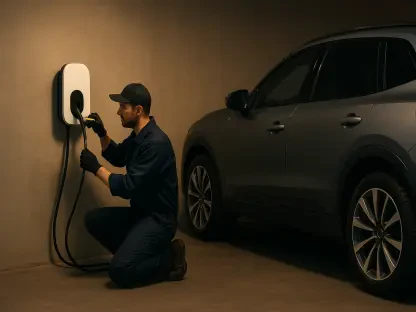
For the majority of EV owners, the most convenient way to fuel their vehicle is at home while they sleep, yet many are currently blocked by the bureaucratic whims of individual housing societies. Introducing a “right to charge” for residents with designated parking spaces is essential because it shifts the power from restrictive committees to the individual consumer. It ensures that the transition to clean energy isn’t stalled by localized administrative friction or a lack of foresight in building management. By making home charging a standard right, we provide the peace of mind that comes with a guaranteed “full tank” every morning. This policy change would treat charging infrastructure as a basic modern utility, much like water or electricity, which is exactly what it has become.
How would a significant reduction in the Goods and Services Tax impact the affordability and long-term sustainability of the charging ecosystem?
There is currently a significant tax misalignment where public charging services are hit with an 18% GST, while the electric vehicles themselves benefit from a much lower 5% rate. Closing this gap by reducing the tax on charging and battery-swapping services to 5% would immediately lower the daily operational costs for millions of drivers. This isn’t just about saving a few cents; it’s about making the entire business model for charge point operators more viable while passing those savings to the consumer. Additionally, we need to see dedicated, concessional financing for the high costs of grid upgrades. Lowering the financial barriers to entry and operation is the only way to ensure that the infrastructure remains affordable as it scales to meet the needs of the next ten million users.
In what ways can smart grid planning and time-of-use tariffs help balance the increased demand on the electrical system as more vehicles plug in?
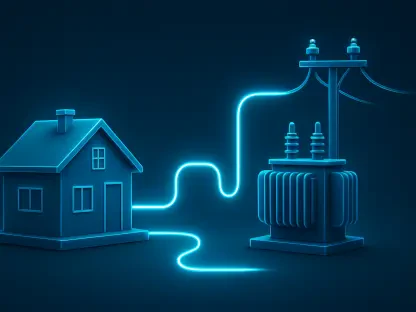
We have to view the influx of electric vehicles not as a burden on the grid, but as a sophisticated tool for balancing it. Time-of-use tariffs are a powerful instrument that encourages users to charge during off-peak hours or when renewable energy generation is at its peak during the day. By shifting this massive demand away from the traditional evening peaks, we can reduce the pressure on our aging infrastructure and make better use of clean solar and wind energy. This requires deep coordination between transport departments and power utilities to ensure the grid is “ready” before the chargers are even installed. Ultimately, this holistic approach reduces overall system costs and turns every parked car into a potential asset for a more resilient and sustainable power network.
What is your forecast for the evolution of the Indian EV charging network over the coming years?
I expect to see a total shift in focus where the reliability of the existing 52,718 stations becomes the primary metric of success, surpassing the mere count of new plugs in the ground. As unified payment systems and performance-linked subsidies become the norm, the “electric hum” of our cities will be backed by a grid that is smarter and more responsive than anything we’ve seen before. We are moving toward a reality where charging is so integrated into the daily routine—through both home access and ultra-reliable public hubs—that the concept of “range anxiety” will eventually disappear from the consumer’s vocabulary. The integration of time-of-use tariffs will also mean that EVs will play a starring role in stabilizing our renewable energy supply, making the entire nation’s energy ecosystem more secure.