
The stability of the American economy is intrinsically tied to a power distribution network that is currently struggling to keep pace with the massive surge in energy demand and the integration of decentralized renewable sources. As the nation pivots from a legacy centralized model to a dynamic, multi-directional network, the urgency to replace aging components has never been higher. Industry leaders and scientific institutions are now forced to collaborate to ensure that the infrastructure remains the reliable backbone of the modern economy.
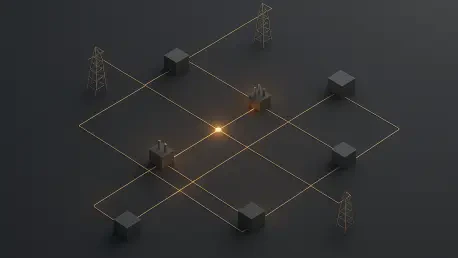
This transition involves more than just swapping old transformers for new ones; it requires a fundamental rethink of how energy flows across the continent. By leveraging the specific manufacturing expertise of industry veterans alongside the deep research capabilities of national laboratories, the sector is creating a pathway for a resilient energy future. This approach ensures that the grid can handle the complexities of a society that is becoming more electrified every day.
Reimagining the American Power Landscape through Public-Private Partnerships
The current transformation of the electrical infrastructure is a response to the shifting requirements of a high-tech society that no longer relies on a simple one-way flow of electricity. S&C Electric Company and Argonne National Laboratory have formalized an expanded partnership to bridge the gap between theoretical research and practical grid applications. This alliance focuses on creating a more flexible and robust network that can accommodate the rapid influx of renewable energy.
Moreover, the partnership addresses the critical need for a modernized distribution network that can withstand the stressors of a changing environment. By combining scientific rigor with commercial manufacturing, these organizations are ensuring that new technologies are not only innovative but also ready for large-scale deployment. This collaborative model serves as a vital template for how the private and public sectors can work together to secure the nation’s energy future.
Strategic Drivers and Economic Benchmarks for a Smart Utility Network
Harnessing Cutting-Edge Research and Material Innovation to Combat Infrastructure Decay
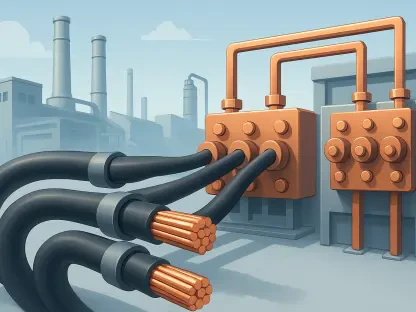
The drive toward full-scale electrification is pushing traditional materials to their physical limits, necessitating the development of next-generation components. Researchers are currently focusing on advanced ceramic-polymer insulation that allows equipment to operate under significantly higher thermal and electrical stress than traditional options. These material innovations are essential for extending the lifespan of the grid and preventing failures during periods of peak demand.
Furthermore, these technological breakthroughs provide a proactive solution to the problem of infrastructure decay. By replacing vulnerable components with high-performance materials, utilities can significantly reduce the risk of catastrophic failures. This shift from reactive maintenance to material-driven resilience is a key component of the ongoing modernization effort across the country.
Analyzing Market Expansion and the Performance Indicators of Modernized Grids
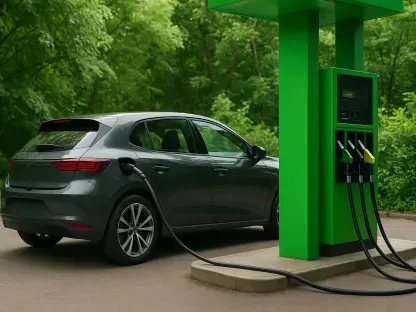
Economic data from 2026 to 2030 indicates a substantial rise in capital investment for grid hardening and smart technology integration. As electric vehicles and renewable sources become more common, the success of these investments is being measured by new performance indicators, such as reduced outage frequency and improved recovery times. These metrics provide a clear picture of how modernization efforts are translating into real-world reliability for consumers.
Market forecasts suggest that the integration of lab-tested technologies into the utility sector will be the primary driver of industrial value in the coming years. This growth is supported by a regulatory environment that favors long-term stability and technological advancement over short-term fixes. Consequently, the modernization of the grid is becoming a major catalyst for broader economic expansion and technological leadership.
Addressing the Physical and Technological Barriers to Grid Reliability
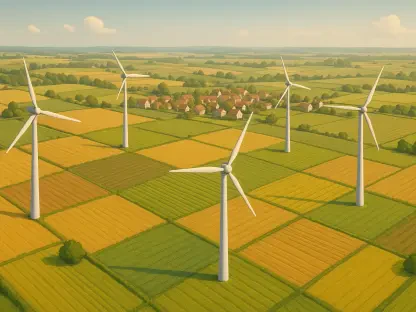
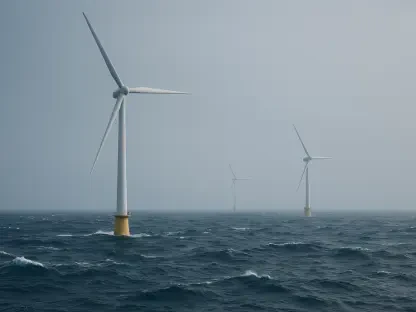
Modernizing a continental-scale grid involves overcoming the physical degradation of assets that have often been in service for several decades. The technical challenge of integrating intermittent power from wind and solar adds a layer of complexity that the original infrastructure was simply not designed to handle. However, strategic frameworks are now being implemented to ensure that these new energy sources can be absorbed without compromising the stability of the entire system.
One of the most significant hurdles is the transition of technologies from the laboratory to the field, often referred to as the valley of death in innovation. By synchronizing manufacturing scalability with scientific validation, S&C and Argonne are effectively shortening this cycle. This ensures that the most effective tools for grid reliability move from a controlled environment to a utility pole as quickly as possible.
The Impact of National Security Standards and Cooperative Research Agreements
The U.S. Department of Energy utilizes the Cooperative Research and Development Agreement framework to establish rigorous standards for national energy security. These agreements ensure that as the grid becomes more digitized, it remains protected against both physical and cyber threats. By setting high bars for safety and interoperability, these standards provide a secure foundation for the deployment of all new grid-based technologies.
Compliance with these evolving regulations is no longer optional for utilities looking to modernize their networks. The focus on cybersecurity is particularly relevant as the grid becomes more interconnected and reliant on real-time data exchange. These security frameworks provide the necessary guardrails for innovation, ensuring that a smarter grid is also a safer one for all citizens.
Anticipating the Evolution of the Energy Sector and Distributed Generation
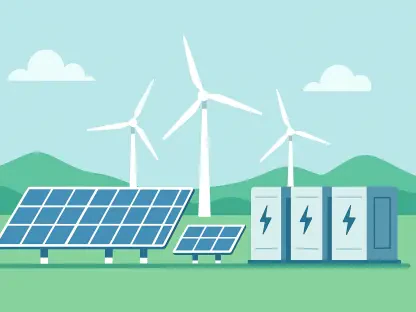
The future of the American energy sector lies in the development of a self-healing and autonomous power network. Emerging market disruptors, such as long-duration energy storage and AI-driven load management, are expected to redefine the relationship between utilities and consumers. These technologies will allow the grid to automatically adjust to changes in demand, minimizing waste and maximizing efficiency across the board.
As distributed generation continues to expand, the grid must evolve into a platform that supports decentralized power sources as effectively as centralized ones. This evolution requires a shift toward more flexible hardware and sophisticated software that can manage a multi-directional flow of electricity. The ongoing innovation in this space is turning the traditional power grid into a high-performance digital ecosystem.
Fortifying the Nation’s Energy Future through Seamless Technology Transfer
The partnership between S&C and Argonne National Laboratory represented a vital blueprint for the evolution of American infrastructure. By streamlining the transition of scientific discoveries into manufactured solutions, this collaboration ensured that the power grid adapted to modern stresses without sacrificing reliability. This joint effort proved that the gap between research and deployment could be bridged effectively through dedicated cooperation and shared goals.
Future strategies must prioritize the integration of localized microgrids and the expansion of automated fault detection systems. Continued investment in these strategic alliances remains the most viable path toward securing a high-performing energy ecosystem for the next decade. Stakeholders should now look to expand these collaborative frameworks to ensure that the national grid remains a resilient foundation for technological and economic growth.