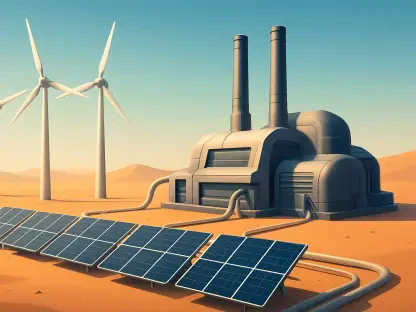

The potential for energy security increases significantly as retired electric vehicle batteries are repurposed for stationary grid and residential storage solutions. This shift marks a pivotal moment where passenger vehicles are no longer just consumers of electricity but have become active nodes in a sophisticated, two-way power distribution network. As the penetration of electric vehicles reaches critical mass, the collective capacity of their onboard batteries represents a massive, untapped reservoir of power that can stabilize fluctuating energy demands. The transition to bidirectional charging, encompassing vehicle-to-grid and vehicle-to-home systems, is fundamentally altering the traditional linear model of electricity flow from central power plants to end-users. By allowing electricity to flow back into the grid during peak demand or directly into a home during an outage, these systems offer a level of flexibility and resilience that was previously unattainable within aging infrastructure.
Integrating Bidirectional Systems into Modern Infrastructure
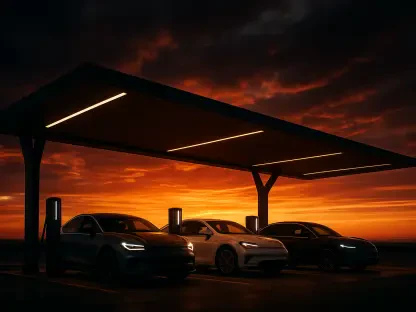
The current deployment of the ISO 15118-20 communication standard has finally bridged the gap between diverse automotive manufacturers and utility providers, ensuring that hardware from various brands can communicate seamlessly with the electrical grid. This standardization is crucial for the widespread adoption of bidirectional charging because it allows for automated load balancing without requiring manual intervention from the vehicle owner. Specialized DC fast chargers and advanced AC wallboxes equipped with sophisticated inverters are now being installed across urban corridors to manage the high-speed conversion of direct current from batteries to alternating current for the grid. These technical advancements are supported by software platforms that utilize artificial intelligence to predict peak usage times and optimize discharge cycles. By analyzing historical consumption data, these systems ensure that vehicles remain sufficiently charged for travel while contributing to the overall stability of the supply.
Utilities are increasingly viewing the millions of electric vehicles on the road as a distributed virtual power plant that can defer the need for expensive new gas-peaker plants. Programs launched from 2026 to 2028 are expected to provide significant financial incentives for owners who participate in demand-response initiatives, effectively lowering the total cost of vehicle ownership through energy arbitrage. By discharging small amounts of energy during high-price afternoon windows and recharging during low-cost nighttime hours when wind energy is abundant, drivers can essentially earn revenue while their cars are parked. This economic shift encourages the adoption of larger battery packs, which in turn provides more buffer capacity for the grid. Furthermore, this dynamic interaction helps mitigate the duck curve effect, where solar production drops off as residential demand spikes. By leveraging vehicle batteries to soak up excess solar power, the grid maintains a more consistent and reliable operating state.
Enhancing Residential Resilience and Sustainability
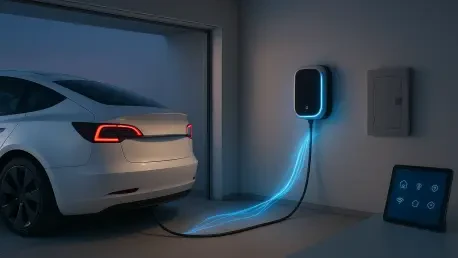
At the local level, vehicle-to-home technology is revolutionizing how individual households manage energy consumption and survive utility outages. A typical long-range electric vehicle possesses enough energy to power an average American home for several days, providing a cleaner and quieter alternative to traditional gasoline or diesel backup generators. Integration with smart home ecosystems allows residents to prioritize essential circuits, such as refrigeration and medical equipment, ensuring that critical needs are met during emergencies. This capability is particularly vital in regions prone to extreme weather events where traditional power lines are vulnerable to damage. Moreover, as home solar installations become standard, bidirectional vehicles serve as the missing link in a fully autonomous domestic energy cycle. Residents can store excess daytime solar energy in their car’s battery and use that power to run their household through the night, reducing their reliance on the traditional grid.
The successful implementation of bidirectional charging required a comprehensive overhaul of regulatory frameworks and consumer protection laws to ensure fair compensation and battery health transparency. Moving forward, manufacturers and policymakers focused on creating standardized warranties that accounted for the increased cycling of vehicle batteries in grid-tied applications. These stakeholders prioritized the development of transparent data sharing protocols between automotive telematics and utility operators to maintain privacy while maximizing system efficiency. Urban planners also took decisive action by mandating bidirectional-ready charging infrastructure in all new residential and commercial developments. By viewing the electric vehicle fleet as a strategic national energy reserve, the industry effectively turned a potential strain on the grid into its most valuable asset. These steps ensured that the transition to a decentralized model provided tangible benefits to the environment and the economy.