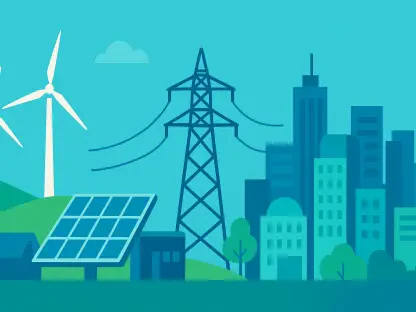

The fundamental architecture of global energy consumption is undergoing a radical shift as traditional conservation methods yield to a sophisticated era of digital oversight and hardware innovation. This evolution marks a departure from passive energy saving—often characterized by simple behavioral adjustments—toward a model defined by active technological intervention. Modern industrial and commercial entities no longer view efficiency as a series of isolated tasks but as a core component of operational intelligence. The current landscape focuses on the precise integration of smart hardware, high-efficiency heating, ventilation, and air conditioning (HVAC) systems, and on-site renewable energy generation to create a cohesive ecosystem of resource management.
Market leaders and technological providers are currently at the forefront of this movement, establishing new standards for industrial productivity. The focus has transitioned from monitoring monthly utility bills to analyzing real-time data streams that pinpoint exactly how and where power is consumed. This technological maturity is not merely about cost reduction; it is increasingly tied to national energy security and the achievement of stringent carbon reduction goals. By aligning corporate output with environmental stewardship, the industry is proving that economic growth and sustainability can be pursued simultaneously through a unified digital strategy.
The Convergence of Intelligence and Industry in Modern Energy Management
A critical assessment of current industrial operations reveals that energy waste is rarely the fault of equipment alone but is instead a symptom of inefficient management protocols. In large-scale commercial environments, central systems account for nearly two-thirds of total energy use, with a staggering 78% of that energy dedicated specifically to thermal management. The transition to an active management model involves the deployment of intelligent control systems that oversee these high-consumption zones. This move toward operational intelligence allows for the identification of malfunctions and the optimization of operating schedules based on actual demand rather than static timers.
Industrial segments are increasingly adopting modular approaches that combine specialized hardware with integrated software platforms. For instance, the implementation of high-efficiency cooling systems paired with smart sensors has enabled facilities to reduce their cooling loads by significant margins. These technological providers are no longer just selling machinery; they are offering comprehensive energy solutions that adapt to the fluctuating needs of the modern factory floor. This systemic shift ensures that energy consumption becomes a controllable variable in the production process, directly influencing the bottom line and overall market resilience.
Navigating the Digital Transformation of Resource Conservation
Emerging Paradigms in Real-Time Monitoring and Hardware Innovation
The shift toward granularity in energy management is primarily driven by the widespread adoption of Internet of Things (IoT) sensors and smart meters. These devices provide the visibility necessary to identify specific consumption bottlenecks that were previously hidden within aggregate data. By monitoring energy use at the level of individual production lines or even specific components, businesses can implement targeted interventions. This level of detail has transformed energy conservation from a guessing game into a precise science, where every watt can be accounted for and optimized through real-time feedback loops.
Technological breakthroughs in thermal management, particularly the rise of heat pump technology, have further accelerated this transformation. Unlike traditional heating systems that rely on electrical resistance, modern heat pumps extract thermal energy from the environment, drastically lowering the input required for the same output. When these systems are designed with “usage-aware” connectivity, they can automatically adjust their cycles based on peak demand periods. This synergy between hardware and software ensures that existing equipment operates at peak efficiency, meeting the growing corporate demand for quantifiable and verifiable energy savings.
Quantifying Progress through Market Performance and Growth Forecasts
Statistical evidence from current implementations shows that technological intervention can lead to a reduction in cooling loads of 10% to 30% across various industrial sectors. These gains are not just environmental; they represent a significant financial incentive for businesses looking to optimize their operating expenses. The return on investment (ROI) for integrated ecosystems involving solar energy and heat pumps has reached a point where the initial costs are often recovered within two to three years. This favorable financial trajectory has encouraged a wider range of participants to explore green technology as a viable fiscal strategy.
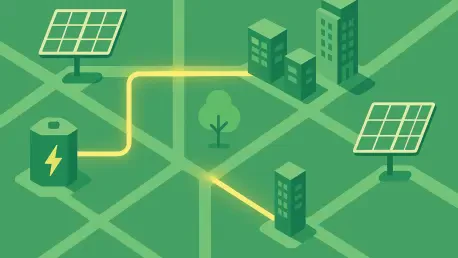
The growth of the Energy Service Company (ESCO) model has also played a vital role in the expansion of high-efficiency technologies. By allowing specialized firms to manage energy assets, industrial players can focus on their core competencies while benefiting from reduced utility costs. Looking at the projected adoption rates from 2026 to 2028, Battery Energy Storage Systems (BESS) are expected to become the primary bridge for managing renewable energy intermittency. As these storage solutions become more affordable, they will allow for a more stable and autonomous energy grid, further decoupling industrial activity from traditional power constraints.
Overcoming Structural and Financial Barriers to Green Integration
Despite the clear benefits, the high cost of entry remains a significant hurdle for many organizations. The financial outlay required for advanced research, the procurement of sophisticated hardware, and the specialized training of personnel can be daunting for smaller enterprises. However, forward-thinking organizations are beginning to view these expenses not as sunk costs but as strategic investments in long-term viability. By balancing short-term profit targets with the necessity of sustainable production, these companies are securing a competitive advantage in a market that increasingly values environmental responsibility.
Technical limitations, particularly the mismatch between peak renewable generation and continuous industrial demand, require innovative storage and management solutions. Solar energy is abundant during the day, yet many factories operate on a 24-hour cycle. To address this, the industry has turned to temporal bridges such as thermal storage and battery systems. These technologies allow businesses to stabilize their power supply and reduce their reliance on the external grid. Effectively managing these transitions requires a high degree of technical expertise, but the resulting energy autonomy provides a powerful hedge against volatile energy markets.
The Regulatory Framework and its Impact on Technological Adoption
National directives and resolutions are increasingly shaping the landscape of digital energy transformation. Governments are utilizing policy as a lever to encourage the adoption of cleaner energy sources and more efficient operational protocols. For many corporations, compliance with these regulations has become a market driver rather than a burden. Meeting international green production standards is now essential for maintaining global competitiveness, especially for firms that participate in high-value supply chains. These regulatory pressures are accelerating the transition away from fossil fuels toward more sustainable, on-site generation models.
Furthermore, the necessity of security and standardization in smart energy management cannot be overstated. As energy systems become more connected, the industry must adopt uniform data protocols to ensure the integrity of the power grid. Policy incentives often favor businesses that implement on-site generation, such as rooftop solar, which reduces the load on national infrastructure. By fostering an environment where innovation is rewarded, regulators are ensuring that the move toward energy efficiency is both rapid and secure, providing a stable foundation for the next phase of industrial growth.
The Future Frontier of Sustainable Engineering and Smart Power
The evolution toward autonomous energy ecosystems is currently being led by AI-driven predictive maintenance and consumption forecasting. These advanced algorithms can anticipate equipment failures before they occur and suggest the most efficient times to run high-load processes. This level of foresight transforms energy management from a reactive task into a proactive strategy. Market disruptors, such as decentralized microgrids and advanced battery chemistries, are poised to further change how energy is distributed and consumed. These technologies provide the flexibility needed to support a highly dynamic and responsive industrial sector.
Green production has transitioned from a niche preference to a prerequisite for participation in the global supply chain. Companies that fail to adopt efficient technologies find themselves excluded from lucrative partnerships and facing higher operational risks. Innovation remains the primary catalyst for decoupling economic growth from environmental degradation. By investing in the development of next-generation power systems and sustainable engineering practices, the industry is setting the stage for a period of growth that is both profitable and ecologically sound. This transition is no longer a distant goal but a current operational reality.
Synthesis of Technological Mastery and Long-Term Energy Strategy
The transition from awareness-based conservation to technological capability represented a fundamental maturation of the energy sector. It was determined that “saving through capability” provided a more reliable and scalable path than relying on individual behavior alone. The critical pillars of this transformation were identified as digital connectivity, breakthrough hardware like heat pumps, and the creation of hybrid energy ecosystems. These elements worked in concert to provide businesses with the visibility and control necessary to manage their energy footprint with unprecedented precision.
Technology served as the essential bridge that allowed the industry to meet its immediate requirements while building a sustainable foundation. By prioritizing data-driven investments, stakeholders ensured that their operations remained both productive and resilient in the face of changing environmental and economic conditions. The synthesis of these efforts demonstrated that efficiency was not a sacrifice but a strategic optimization that enhanced the overall value of the enterprise. Organizations that embraced this shift early found themselves better positioned to navigate the complexities of the modern global market.
The final analysis indicated that the path toward a sustainable future relied heavily on the continuous integration of engineering excellence and data science. Stakeholders who focused on quantifying their energy use and automating their conservation efforts achieved the highest levels of success. This systematic approach provided a clear roadmap for the continued evolution of industrial power management. As the industry moved forward, the lessons learned from these digital and mechanical integrations provided the necessary insights to refine future strategies and maintain the momentum of the green transition.