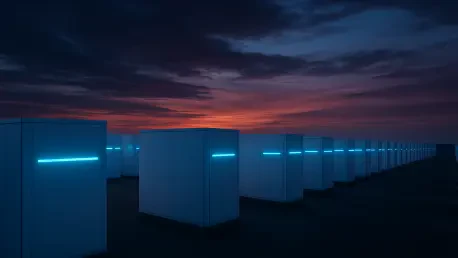

The rapid transformation of Central and Eastern Europe from a region defined by heavy coal dependence to a sophisticated hub of high-tech energy storage solutions is now an undeniable reality for global investors. This shift represents more than just a change in fuel sources; it is a complete reimagining of the regional power grid. International utilities are increasingly focusing on utility-scale Battery Energy Storage Systems (BESS) and digital grid management to ensure stability in an increasingly volatile market.
As decarbonization targets become more stringent, the CEE region has emerged as a vital pillar in the broader European strategy to achieve energy autonomy. The transition from traditional fossil fuel dependence to high-tech energy ecosystems is accelerating, driven by both necessity and innovation.
The Great Energy Transition: Mapping the CEE Storage Landscape
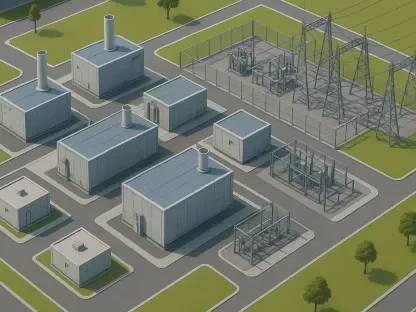
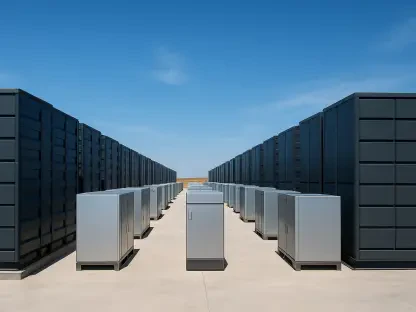
Evaluating the shift from traditional fossil fuel dependence reveals a transition toward high-tech energy ecosystems that prioritize flexibility and resilience. Industry segments like utility-scale BESS and co-located renewables are no longer experimental but foundational to the grid infrastructure. Major international utilities are partnering with regional innovators to scale these systems at an unprecedented pace, ensuring that the CEE territory serves as a resilient corridor for sustainable power.
The strategic importance of this region within the broader European decarbonization framework cannot be overstated, as it acts as a bridge between diverse energy markets. By integrating large-scale infrastructure with advanced digital management, Poland, Romania, and Lithuania are setting a new standard for grid modernization. This evolution is turning once-stagnant power sectors into dynamic environments capable of supporting high levels of renewable penetration.
Catalysts of Change: Technological Breakthroughs and Market Velocity
Technological breakthroughs are acting as the primary engine for this transformation, pushing the boundaries of what is possible in energy management. The convergence of hardware efficiency and software intelligence has created a market velocity that far outpaces previous decades.
Pioneering Trends in Storage Integration and Digitalization
Co-location strategies are redefining how wind and solar assets function by integrating battery systems directly into the generation site. This allows for the optimization of energy delivery, preventing waste during periods of low demand and high production. Meanwhile, Virtual Power Plants in the Baltics demonstrate how digital flexibility balances a grid in real-time. Long-duration storage is becoming the primary answer to the inherent intermittency of green energy.
Digital transformation plays a central role in this shift, with software platforms managing complex energy flows across decentralized networks. These Virtual Power Plants aggregate smaller resources into a single, controllable unit, providing much-needed frequency regulation. This high level of digitalization ensures that renewable energy remains a reliable source of power even during peak load conditions.
Measuring the Momentum: Growth Projections and Market Milestones
Real-world progress is visible in massive transactions, such as the 876MWh utility-scale expansion recently seen in Poland. This deal serves as a benchmark for the region, proving that large-scale storage is both financially viable and operationally necessary. Similar milestones in Romania and Lithuania highlight a clear trajectory toward total energy independence. From 2026 to 2030, capacity additions are expected to rise exponentially as these markets continue to mature.
Data on grid-connected projects indicates that the region is hitting performance milestones ahead of schedule. These indicators suggest that the CEE is successfully moving away from speculative development and into a phase of sustained infrastructure growth. As the trajectory toward autonomy clarifies, the region is attracting a more diverse pool of institutional capital.
Navigating the Friction: Overcoming Infrastructure and Economic Hurdles
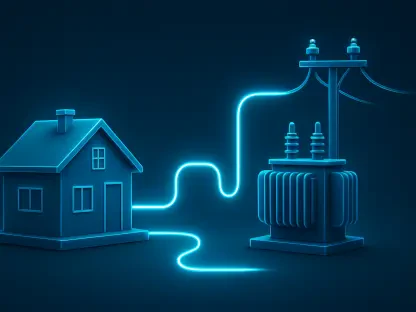
Addressing the complexities of upgrading aging grid hardware remains a primary challenge for supporting decentralized energy systems. Significant capital investment is required to ensure that older infrastructure can handle the bidirectional flow of electricity. Furthermore, financial and supply chain obstacles can still delay the deployment of large-scale BESS projects.
Mitigating market volatility requires a combination of robust software-driven solutions and long-term investment security. Technical challenges in harmonizing diverse energy sources through software often arise when integrating new technology with legacy systems. Strategies for overcoming these hurdles involve both engineering innovation and the creation of more predictable financial frameworks for developers.
The Framework of Progress: Policy, Standards, and Regulatory Evolution
National decarbonization mandates provide the necessary legal backing for this massive deployment of energy technology across the region. EU regulations have helped streamline grid connection processes and set high safety standards for new installations. These policies ensure that the rapid expansion of storage capacity does not compromise the overall security of the power pool.
Digital energy platforms must comply with strict security protocols to protect the grid from cyber threats and ensure reliability. Incentives and subsidies continue to play a crucial role in lowering the barrier to entry for innovative storage technologies. As standards evolve, the regulatory environment becomes a catalyst rather than a hurdle for sustainable energy adoption.
The Horizon of Innovation: Predicting the Future of Regional Energy
The next wave of disruption will likely feature AI-driven energy dispatch and advanced battery chemistries that offer higher efficiency and lower costs. This transition leads toward a fully integrated and automated regional power pool that operates with minimal human intervention. Such innovation will allow for more precise forecasting and better management of distributed energy resources.
As prosumer participation grows, the CEE region is positioned to become a global blueprint for rapid energy modernization. Predicting these shifts allows stakeholders to prepare for a market that is both decentralized and highly efficient. The rise of automated trading and storage-as-a-service models will further redefine the relationship between consumers and the grid.
Synthesis of a Revolution: Strengthening the Future of the CEE Grid
The strategic alignment of large-scale hardware and digital agility solidified the region’s role as a leader in the global energy transition. Poland, Romania, and Lithuania proved that rapid modernization was achievable through a combination of focused investment and regulatory clarity. Policymakers who moved quickly to upgrade grid standards ensured long-term market stability. This progress established a resilient blueprint for the future of sustainable power across the continent.
Strategic recommendations for the coming years focused on maintaining the pace of infrastructure development while further integrating digital security. The stability of the Central and Eastern European energy market was reinforced by the early adoption of flexible storage solutions. Investors who prioritized grid resilience found stable returns in a market that valued both sustainability and security. This evolution ensured that the region remained a frontline leader in the global pursuit of energy autonomy.