
The recent technical milestone at Ishwardi signifies a strategic shift toward energy independence as domestic natural gas fields deplete faster than new sources can be discovered. This shift represents a fundamental transformation for a nation that has long grappled with the volatility of imported fossil fuels and the limitations of an aging energy infrastructure. By integrating nuclear power into the national grid, Bangladesh is positioning itself as a pioneer in the Bay of Bengal region, demonstrating how a developing economy can transition toward a high-capacity, low-carbon future. The Rooppur Nuclear Power Plant is not merely a construction achievement; it is a manifestation of long-term planning aimed at sustaining industrial growth for a population of 170 million people who require reliable electricity. As the first assemblies of nuclear fuel are positioned within the heart of the facility, the country moves beyond the experimental phase into a reality where baseload power is secured for decades. This progression marks a significant departure from previous energy policies that relied heavily on finite resources.
Advanced Reactor Technology: Efficiency and Operational Stability
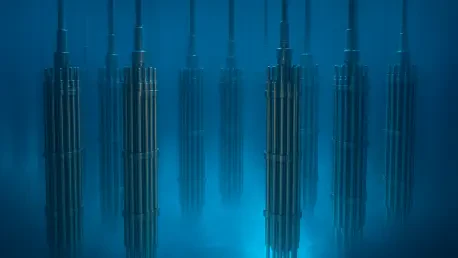
At the core of this monumental project lies the VVER-1200 reactor, a sophisticated Generation III-plus pressurized water design that balances high energy output with rigorous safety standards. This specific model, engineered by Russian nuclear specialists, utilizes a core that requires 163 fuel assemblies to achieve full operational capacity. Each assembly is a complex arrangement of metal tubes containing low-enriched uranium dioxide pellets, with U-235 concentrations carefully maintained between 2.4% and 4.95%. This precise level of enrichment is vital because it ensures the fuel is physically incapable of sustaining a runaway chain reaction, thereby providing inherent stability during the fission process. Unlike older reactor generations, the VVER-1200 incorporates evolutionary improvements that increase the efficiency of fuel utilization, allowing for longer operation cycles and reducing the frequency of refueling shutdowns. This technological choice reflects a deep commitment to modernizing the national energy sector with high-density fuel.
The transformation of nuclear energy into usable electricity follows a highly regulated sequence that begins once the reactor reaches its minimum controllable power level. Within the reactor vessel, control rods made of neutron-absorbing materials are used to manage the rate of fission, ensuring a steady production of thermal energy. This heat is captured by pressurized water circulating through the primary circuit, which then transfers the energy to a secondary steam generator. The resulting high-pressure steam drives massive turbines, which spin generators to produce a continuous flow of electricity for the national grid. The completion of the 14-day fuel loading period was the final technical hurdle before the plant could begin this sequence of energy production. This methodical approach to commissioning ensures that every component, from the smallest valve to the primary containment structure, operates in perfect harmony to provide a reliable energy supply that remains unaffected by the seasonal fluctuations of global gas prices or supply chain issues.
Safety Architecture: Implementing Defense-In-Depth Measures
Ensuring the security of the Rooppur facility involves a multi-layered defense-in-depth strategy that combines active mechanical systems with passive safety features designed to function without human intervention. One of the most notable components is the core catcher, a specialized cooling tray located beneath the reactor vessel. In the highly improbable event of a core meltdown, this device is engineered to contain and cool the molten material, preventing it from ever reaching the environment or compromising the integrity of the containment building. Additionally, the plant utilizes gravity-fed water reservoirs that provide a constant flow of coolant even if the site loses all external electrical power. These features are particularly significant given the plant’s location on the banks of the Padma River, where the alluvial soil and local climatic conditions demand robust engineering solutions. This redundancy ensures that the facility can withstand extreme natural events while maintaining total operational control of the nuclear core.
Beyond the physical hardware, the safety of the facility is reinforced by strict international oversight and a comprehensive knowledge-transfer program. The fuel loading process was monitored in real-time by the International Atomic Energy Agency through digital systems, ensuring that every gram of nuclear material is accounted for under global non-proliferation standards. This partnership between the Bangladesh Atomic Energy Commission and international experts has fostered a new generation of domestic nuclear professionals. Throughout 2026 and into 2027, hundreds of local engineers and technicians are gaining hands-on experience, moving from classroom theory to the practical management of a large-scale nuclear facility. This focus on workforce development ensures that the plant is not just a foreign-built asset but a domestically managed cornerstone of national security. By adhering to these rigorous protocols, Bangladesh is establishing a precedent for safety and transparency that will guide its nuclear program throughout the 60-year lifespan of the units.
Economic Strategy: Integrating Nuclear Power into the National Grid
The full integration of the Rooppur plant into the national energy mix represents a strategic shift that will eventually provide 2,400 megawatts of power, meeting roughly 10% of the country’s total electricity demand. This is a critical development for economic stability, as nuclear power provides a weather-blind baseload that functions regardless of monsoon rains or solar intensity. Unlike the fluctuating costs associated with imported liquefied natural gas or coal, the operational expenses of a nuclear plant are relatively predictable once the initial infrastructure is established. This stability allows industrial sectors to plan for long-term expansion without the fear of sudden energy shortages or price spikes. As the first reactor unit begins its connection to the grid, the country is moving toward a more resilient economy where the reliance on carbon-intensive fuels is significantly reduced. This transition is expected to lower the overall carbon footprint of the power sector, aligning economic growth with broader environmental goals.
The path toward this energy transition required significant investment and modernization of the national power grid to accommodate the unique technical requirements of nuclear generation. Engineers successfully upgraded transmission lines to handle the specific frequency and shutdown logic necessary for a 1,200-megawatt influx of power, ensuring that the existing network remained stable during the initial testing phases. The financial structure of the project, while involving long-term international cooperation, established a foundation for future energy sovereignty that will persist well into the 2080s. Looking ahead, the focus must now shift toward optimizing the secondary power distribution networks and exploring the potential for small modular reactors to further diversify the energy portfolio. The successful activation of the Rooppur facility proved that a dedicated approach to technical training and international safety compliance could transform a nation’s industrial potential. Bangladesh’s entry into the nuclear era was a decisive step that changed the conversation from managing scarcity to fueling innovation.