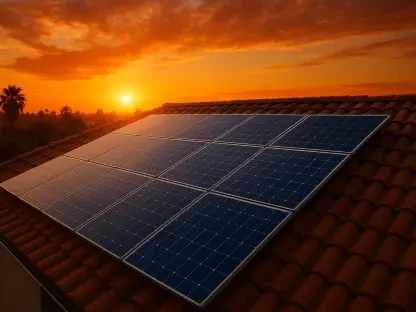

The state’s current energy storage initiative supports decentralized power by allowing batteries with a total capacity of up to 50 kilowatt-hours to be integrated into solar infrastructure. This policy represents a significant shift in how residential and commercial properties interact with the local power grid. By incentivizing the installation of lithium-ion or flow battery systems, Minnesota aims to reduce the strain on aging electrical lines while helping consumers mitigate the rising costs of energy. Homeowners are finding that these storage solutions do more than just provide backup power during the frequent storms that sweep across the Midwest; they serve as active financial assets. The rebate program, administered through the Department of Commerce, addresses high upfront costs that historically deterred early adopters. As technology matures, the integration of smart inverters ensures that stored energy is used at the most economically advantageous times, maximizing every kilowatt.
Financial Mechanisms for Homeowner Adoption
Accessing these financial incentives requires a clear understanding of the tiered structure designed to favor specific demographics and system sizes. The primary rebate offers a substantial per-kilowatt-hour payment, often reaching several thousand dollars for a standard residential setup, which significantly shortens the return on investment. Furthermore, the state has prioritized low-income households and those residing in environmental justice areas by offering enhanced incentives that cover a larger percentage of the total project cost. This approach ensures that the transition to clean energy is equitable rather than limited to affluent neighborhoods. When combined with the federal Investment Tax Credit, which remains a robust pillar of renewable energy finance, the net cost of a battery system often drops by nearly half. This synergy creates a unique window for property owners to secure energy independence while the funds remain available through the 2026-2028 budget cycle.
Beyond the initial state rebate, local utility companies like Xcel Energy have introduced their own performance-based programs that provide ongoing value to battery owners. These programs, such as the Renewable Battery Incentive, offer upfront payments in exchange for the utility’s ability to draw power from the battery during periods of extreme peak demand. This collaborative model transforms the private battery into a community resource that helps prevent blackouts during the hottest summer days or coldest winter nights. Participants receive annual credits on their electricity bills, effectively paying them for the service of stabilizing the grid. This recurring revenue stream, coupled with the avoidance of peak-time electricity rates, transforms the battery from a passive backup device into a dynamic source of savings. Property owners who strategically schedule their battery discharge to coincide with high-rate periods see utility expenses plummet.
Technical Integration and Strategic Planning
Integrating a battery into an existing solar array involves more than just physical installation; it requires a sophisticated synchronization of hardware and software. Modern battery systems utilized in Minnesota are equipped with artificial intelligence that predicts weather patterns and electricity usage habits to optimize energy storage levels. For instance, if the software anticipates a heavy snowstorm, it may prioritize maintaining a full charge rather than discharging for daily savings. This level of automation ensures that the system provides maximum value without requiring constant manual adjustment from the owner. Moreover, the shift toward higher-capacity batteries allows for the total electrification of homes, supporting heat pumps and electric vehicle chargers that would otherwise strain a standard grid connection. The technical reliability of these systems has improved significantly, with manufacturers now offering extended warranties that align with the twenty-five-year lifespan.
Navigating the landscape of Minnesota’s energy incentives required a proactive approach that combined technical research with timely application submissions. Successful participants worked closely with certified contractors who handled the rigorous permitting and inspection processes mandated by state regulations. These professionals identified the most efficient configurations to ensure that every battery unit met the specific safety standards required for the maximum rebate payout. The decision to invest was facilitated by a clear understanding of how decentralized storage protected property values and offered a hedge against future utility rate hikes. Those who monitored their energy consumption patterns through mobile applications were able to verify the immediate impact on their operational costs. Moving forward, the focus shifted toward expanding these localized networks to create virtual power plants that strengthened the overall reliability of the regional energy market. Storage proved a foundational step.