
The transition to a cleaner, more resilient power system has reached a critical juncture where technical innovation must meet economic reality. As we navigate 2026, the industry is grappling with a paradox: while our technological capabilities have never been more advanced, the financial pressure on the average consumer has intensified to levels once thought unimaginable. Christopher Hailstone, a seasoned authority in energy management and utility security, joins us to unpack the multi-dimensional challenge of grid modernization. With his deep background in electricity delivery and renewable integration, Hailstone provides a pragmatic roadmap for stabilizing energy costs without compromising the reliability of our essential infrastructure. Our conversation explores the necessity of standardizing grid components, the impact of city-sized industrial loads, and the shift from simple cost-minimization to long-term value planning.
Since 2020, we have seen average electric rates in the United States climb by roughly 29%, jumping from 10.59 cents per kilowatt-hour to 13.63 cents by last year. At the same time, major outages have surged over the past decade. How can we justify these rising costs to a public that feels they are paying significantly more for a less reliable service?
It is a difficult conversation to have at the kitchen table, but we have to be honest about the fact that the macro conditions of the grid are far more dynamic than they were even five or six years ago. To address this, our first line of defense must be a massive scaling of cost-effective solutions like energy efficiency and demand-side management. While these tools alone cannot solve every systemic constraint or load growth issue, they provide a necessary downward pressure on rates by reducing the sheer volume of power we need to generate and move. We are also seeing that grid flexibility—the ability to shift loads when the system is stressed—is no longer a luxury but a fundamental requirement for maintaining reliability. By maximizing these “front-line” defenses, we can begin to decouple the necessary investments in infrastructure from the constant upward trajectory of consumer bills.
The industry has long struggled with the sheer complexity of grid assets, with many utilities still placing custom orders for major equipment like substation transformers. What role does standardization play in driving down costs, and why has it been so difficult to achieve?
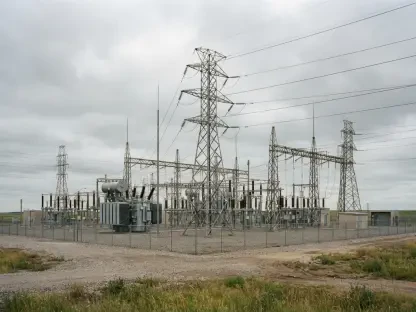
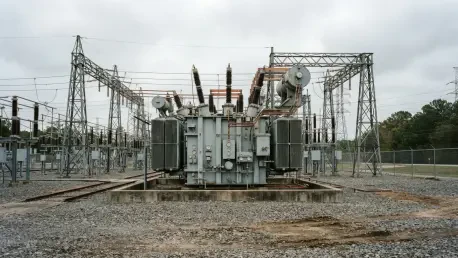
When you walk into a substation and look at the massive transformers that anchor our transmission system, it’s often shocking to realize that almost every one of them is essentially a custom-built unit. The number of unique SKUs for these assets stretches into the hundreds, yet they are all performing the same basic physical function. This lack of industry coordination creates a massive bottleneck in the supply chain, especially when materials are already stubbornly expensive. If we can coalesce around standard equipment parameters, we can treat these components more like modular building blocks rather than artisanal projects. Driving out this unnecessary complexity is one of the most direct ways to lower the capital intensity of grid modernization and ensure that we aren’t paying a “customization tax” on every single mile of the grid.
As we see the emergence of massive digital infrastructure projects, we are moving from connections of 30 or 100 megawatts to staggering city-sized loads exceeding a gigawatt. How should our regulatory models adapt to ensure that residential customers aren’t unfairly burdened by the costs of these massive developments?
We have moved past the era where we could rely on three static rate classes for residential, commercial, and industrial customers. When a single project requires a gigawatt of power, it effectively changes the physics and the economics of the local system, requiring infrastructure upgrades that can cost hundreds of millions. It is imperative that we get large-load tariffs right immediately; these major customers must pay their full, fair share of all costs incurred to the system when they connect. We cannot afford a scenario where the average ratepayer is subsidizing the rapid expansion of digital infrastructure that they may never directly use. This requires dynamic rates that reflect the real-time pressure on the system and a regulatory environment that isn’t afraid to demand full cost-transparency from the largest energy users.
There is a growing concern about the rising prices of basic building blocks for the grid—steel, copper, aluminum, and wood—especially in the context of trade policies and tariffs. What is your perspective on the push for domestic manufacturing of these critical components?
The grid is built of physical materials that are subject to the same inflationary and geopolitical pressures as any other global commodity. When we place tariffs on the very steel and aluminum needed for transmission towers, we see an almost immediate spike in project costs which eventually trickles down to the ratepayer. Bringing the manufacturing of these critical components back to the United States is a matter of both national security and economic competitiveness. However, we need a steady, long-term industrial policy rather than the policy whiplash that has characterized the last few years. Building the capacity to manufacture large-scale grid components domestically is a hard, multi-year process, but it is the only way to insulate our energy future from the volatility of global supply chains.
Regulatory models have traditionally focused on “used and useful” assets, but there is a sense that progress in aligning these models with modern innovation has been marginal. How can performance-based regulation or different capital models like TOTEX change the way utilities invest?
The regulatory framework we use today was largely designed for a different century, and it’s clear that the progress we’ve made in updating it has been insufficient for the scale of the current challenge. We need to look much more seriously at models like TOTEX, which considers the total expenditure rather than just rewarding utilities for building new physical infrastructure. This encourages a more efficient use of capital, where a utility might choose a software-based grid flexibility solution over a multi-million dollar physical upgrade if the outcome is the same. By shifting toward performance-based regulation, we align the utility’s financial incentives directly with the outcomes we want to see: higher reliability, lower emissions, and more affordable rates. It’s about moving away from a “more is better” investment mindset toward an “optimized is better” approach.
Many experts argue that we aren’t getting enough out of the infrastructure we already have. What are the most promising ways to optimize the existing grid without the high cost and long lead times of building new transmission corridors?
The electric grid is essentially built to handle the highest possible peak demand, which means that for the vast majority of the year, a huge portion of our infrastructure is underutilized. We can dramatically improve the throughput of the current system by implementing technologies like reconductoring, which allows existing lines to carry more power without the need to seize new land or build new towers. This is a crucial “smart foundation” step because building entirely new transmission corridors is both incredibly expensive and takes a long time to navigate through legal and environmental hurdles. If we can use high-tech modeling and real-time sensing to push more energy through the lines we already have, we can delay or even eliminate the need for some of the most expensive infrastructure projects on the books.
Traditionally, planning has focused on minimizing the total cost of ownership, but you’ve advocated for a shift toward “lifetime value” that accounts for bill volatility. Can you explain the importance of the Modified Sharpe Ratio in this context?
If you look at a power portfolio on paper, a heavy reliance on natural gas might look like the lowest-cost option today because the initial capital expenditure is lower than some alternatives. However, that approach ignores the massive risk of price volatility that customers will face if gas prices spike in the future. By using a dual-objective framework that incorporates both total cost of ownership and customer bill volatility—often through stochastic analysis and the Modified Sharpe Ratio—we can build a more resilient portfolio. It’s essentially the same logic an investor uses for a retirement account: you don’t just look for the highest return; you look for the best return relative to the risk you are taking. For the grid, this means prioritizing assets that provide long-term price stability, ensuring that a “cheap” plan today doesn’t become a financial disaster for ratepayers three years from now.
What is your forecast for energy affordability over the next decade?
I believe we are entering a decade of intense recalibration where the “hidden” costs of the grid will finally be brought into the light through better integrated planning and technology. While the pressure on rates will remain high due to load growth, I expect to see a significant shift in how we manage that growth through local flexibility and domestic manufacturing of core components. If we successfully implement the coordination between housing policy and energy efficiency, we can create a system where the “city-sized” loads of the future are balanced by a much more responsive and efficient residential sector. My forecast is that by 2030, the most successful utilities will be those that have moved away from silos and toward a truly integrated planning model that treats every dollar spent as a high-stakes investment in both reliability and affordability.