
The rapid expansion of AI data centers and electric vehicle infrastructure is placing unprecedented pressure on an American electrical grid that has relied on 50-year-old hardware. For decades, the system has managed to limp along through incremental patches and localized repairs, but the sheer volume of power required by modern high-density computing is pushing these legacy systems to their absolute breaking point. Utility providers across the country are facing a grim reality where traditional equipment can no longer handle the bidirectional flow of electricity or the volatile surges created by renewable energy sources. This massive technical debt has created a critical opening for disruptive manufacturers to redefine how energy is distributed and managed at the source. Consequently, the announcement of a significant new facility represents more than just industrial growth; it signifies a pivotal shift toward a digitalized energy landscape that prioritizes resilience over mere connectivity.
Modernizing the National Power Architecture
Implementing Solid-State Transformer Technology
Heron Power is directing its $100 million investment into a specialized manufacturing hub designed to produce solid-state transformers, which represent a significant leap over the oil-filled electromagnetic units currently found on street corners. These advanced units leverage silicon carbide semiconductors to manage electricity with precision that was previously impossible, allowing for real-time voltage regulation and harmonic filtering. By replacing mechanical components with digital controllers, these devices can instantly pivot between different energy loads, making them ideal for neighborhoods where solar panels and domestic battery storage are becoming standard. This transition allows for a more compact footprint, as solid-state systems are often half the size of their predecessors while offering superior efficiency and lower heat dissipation. The facility is expected to streamline the production of these units, ensuring that the next generation of grid hardware is built to withstand the rigorous demands of a fully electrified economy.
Scaling Production for High-Demand Markets
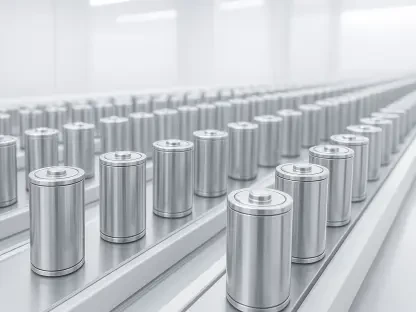
To meet the soaring demand from telecommunications providers and data center operators, the factory will utilize automated assembly lines capable of high-precision manufacturing. The facility is designed to operate with a high degree of vertical integration, sourcing specialized materials and assembling proprietary circuit boards on-site to minimize supply chain disruptions. This localized production strategy is crucial for ensuring that American utilities have access to critical components without the lengthy lead times associated with international shipping. Furthermore, the use of advanced robotics in the assembly process ensures that every unit meets stringent reliability standards, which is vital for hardware intended to operate in harsh outdoor environments for decades. The investment reflects a strategic bet that the market for intelligent power distribution will continue to grow exponentially as more industries transition away from fossil fuels. By establishing a domestic production base, the company aims to become a primary supplier for the infrastructure projects planned across North America.
Economic Strategy and Future-Proofing
Enhancing Domestic Energy Independence
Strengthening the domestic supply chain for energy components has become a matter of national security, especially as the grid becomes more susceptible to both physical and cyber threats. The factory addresses this by focusing on secure, tamper-resistant designs that incorporate hardware-level encryption to protect sensitive data transmissions between nodes. This proactive stance on cybersecurity is a response to the increasing frequency of attacks targeting critical infrastructure, ensuring that the backbone of the nation’s power system remains resilient. By manufacturing these units domestically, the company can guarantee the integrity of the hardware and software components, providing peace of mind to government agencies and private utility operators. This move also reduces dependence on foreign manufacturers for critical grid components, which has been a significant vulnerability in recent years. The ability to produce high-tech energy equipment locally allows for faster responses to emergencies where rapid replacement is essential for restoring vital services.
Advancing Sustainable Distribution Models
Stakeholders recognized that the path forward necessitated a total departure from the passive infrastructure of the past. The decision to invest in advanced manufacturing capabilities was a clear acknowledgment that the energy crisis required technological solutions rather than just policy debates. Leaders in the utility sector moved to integrate these digital systems into their broader modernization plans, ensuring that grid stability remained a top priority during the transition to renewables. It became evident that the success of the modern economy depended on a grid that was as smart and adaptable as the devices it powered. Moving forward, the industry prioritized the establishment of standardized protocols for grid communication to ensure that hardware from different manufacturers could operate in harmony. Efforts were focused on scaling these production facilities to close the gap between current capacity and demand. By focusing on modular and intelligent hardware, the industry successfully began insulating the national power supply from the volatility of a changing world.