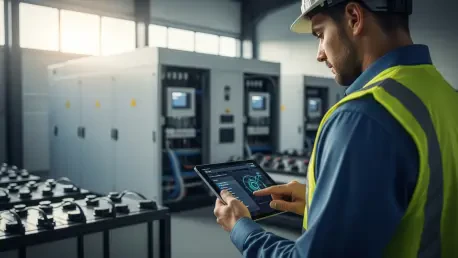

The quiet revolution currently unfolding within the walls of modern industrial facilities is not just about where energy comes from, but how it is fundamentally distributed to the devices that drive our economy. While the global conversation often lingers on massive wind farms and sprawling solar arrays, a more localized transformation is occurring “behind the meter” where the infrastructure of individual buildings is being redesigned to meet modern efficiency demands. For over a century, the dominance of Alternating Current (AC) was unquestioned due to its historical superiority in long-distance transmission, yet the digital age has shifted the balance in favor of Direct Current (DC). Today, the proliferation of electric vehicles, battery storage systems, and advanced semiconductor technologies requires a rethinking of internal power networks to eliminate the inherent waste found in traditional conversion processes. By addressing these needs, operators are creating a streamlined pathway for power distribution.
Efficiency Optimization: Centralizing Energy Conversion Systems
Strategic shifts in infrastructure are now prioritizing centralized DC distribution systems to eliminate the inefficiencies of multiple conversion stages. In a conventional setup, power from the grid arrives as AC and must be converted to DC for almost every modern device, from LED lighting to high-performance servers, leading to heat generation and energy loss at each step. By implementing a centralized conversion strategy at the point of entry, facilities can distribute DC power directly to end-use equipment, which can improve overall energy efficiency by as much as thirty percent. This architectural change is becoming a vital strategy for high-demand environments where every kilowatt counts toward the bottom line. Furthermore, reducing the number of internal transformers and rectifiers simplifies the physical footprint of electrical rooms, allowing for more space to be dedicated to operational equipment. This streamlined approach ensures that energy is utilized where it is needed most.
Mission-Critical Power: Scaling Data Centers and Transit Hubs
Data centers and electric bus depots serve as the primary proving grounds for these advanced DC technologies, showcasing how high-density power requirements can be managed more effectively. In the realm of high-density computing, the massive energy demands of artificial intelligence and machine learning have made traditional AC distribution increasingly impractical due to thermal management challenges. By utilizing DC power at the rack level, data center operators can optimize cooling systems and increase the reliability of their power supplies. Similarly, transit hubs for electric bus fleets utilize DC architecture to manage the rapid charging of dozens of vehicles simultaneously without overwhelming the local grid. The innovations refined in these mission-critical sectors are expected to eventually influence the design of residential homes and small businesses as they integrate more solar and battery storage. These real-world applications demonstrate the scalability of DC systems in demanding contexts.
Intelligent Management: The Software Layer of Electrification
Effective electrification involves more than just hardware upgrades; it requires a sophisticated layer of digital intelligence to manage increasingly dynamic electrical loads. Because a building’s energy capacity now fluctuates based on factors like solar output, weather patterns, and HVAC demands, automated software is necessary to prioritize critical power needs in real time. This “invisible” digital infrastructure ensures that essential services remain operational even when the local generation or the broader grid is under significant pressure. Advanced power management systems can now predict load spikes and adjust distribution levels automatically, preventing circuit overloads and extending the lifespan of sensitive electronic components. By integrating sensors and smart controllers into the DC network, facility managers gain unprecedented visibility into their energy consumption patterns. This level of control allows for more precise budgeting and a more proactive approach to maintenance.
Global Case Studies: Decentralized Power in Australia
Australia has become a global case study for this transition due to its exceptionally high density of distributed energy resources across both urban and rural areas. With millions of households already utilizing rooftop solar panels and home batteries, the nation faces an urgent need to connect these decentralized assets into a cohesive and intelligent system. The primary goal is to move from passive electrification to active energy management, turning every individual building into an intelligent node within a broader energy ecosystem. This model allows for the sharing of surplus power between neighbors and provides a buffer for the national grid during periods of peak demand. Lessons learned from the Australian experience are providing a roadmap for other regions looking to modernize their infrastructure. As more countries adopt similar decentralized models, the global demand for standardized DC components and interoperable software platforms continues to grow significantly.
Industry Standards: Establishing Global Application Protocols
The successful adoption of a hybrid AC/DC model depends on overcoming significant logistical and professional hurdles that currently exist within the construction industry. Industry leaders must establish new global standards for DC applications while simultaneously updating building codes to accommodate higher-density power systems safely. These standards are essential for ensuring the interoperability of hardware from different manufacturers and for providing a clear framework for inspectors and safety officials. Additionally, there is a pressing need for updated safety protocols that specifically address the unique characteristics of high-voltage DC distribution within occupied spaces. Without clear guidelines, the adoption of these efficient technologies could be slowed by regulatory uncertainty or inconsistent installation practices. Establishing these frameworks is a critical step in moving DC technology from specialized applications to mainstream commercial and residential use.
Workforce Evolution: Training for a Hybrid Power Landscape
Training the next generation of engineers and installers is essential to ensure that the global workforce can support the convergence of electrification, automation, and digitalization. Current educational programs often focus primarily on traditional AC systems, leaving a gap in the skills required to design, install, and maintain complex DC networks. To address this, trade organizations and universities are beginning to offer specialized certifications that cover everything from DC microgrid design to the programming of smart power controllers. This educational shift ensures that the labor market can keep pace with the rapid technological advancements occurring in the field of power distribution. Furthermore, cross-disciplinary training is becoming more common as the lines between electrical engineering, software development, and building management continue to blur. A workforce that understands both the physical and digital layers of modern power is key to the long-term success of electrification.
Strategic Outcomes: Advancing Resilient Energy Infrastructure
The industry recognized that the transition toward direct current was not a simple replacement of old parts, but a holistic evolution of how buildings interacted with the grid. Stakeholders determined that the most successful implementations occurred when facility managers combined high-efficiency hardware with sophisticated digital management tools. By prioritizing these integrated systems, organizations achieved measurable improvements in energy reliability and operational costs across their entire portfolios. Strategic actions were taken to update regional building codes and safety standards, which provided the necessary legal framework for widespread DC adoption. It was also noted that the most significant gains were realized in environments that actively trained their technical staff to handle hybrid AC/DC architectures. Moving forward, the focus was placed on ensuring that all future infrastructure projects incorporated these efficiency-first principles from the initial design phase. This proactive approach solidified the role of direct current as a cornerstone of modern electrification.