
The convergence of unprecedented demand for generative artificial intelligence and a physically constrained electrical grid has forced a radical reimagining of how massive data processing facilities are powered across North America. Circe Energy is now leading this transition through a strategic collaboration with Cummins Inc., securing a procurement order for 2 gigawatts of natural gas-fired generation capacity to be delivered between 2026 and 2030. This infrastructure represents a fundamental shift away from centralized utility dependence, establishing a “behind-the-meter” platform that functions as a self-contained power ecosystem. By generating electricity on-site, the project ensures that the intensive workloads associated with high-performance computing are not stifled by the slow pace of traditional grid expansion. This initiative provides the critical backbone for the next generation of data processing, offering a level of energy autonomy that was previously unattainable for large-scale technology deployments.
Overcoming Infrastructure Constraints: The Move to Localized Power
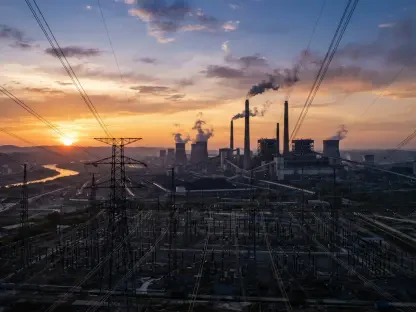
The global tech sector currently faces a significant bottleneck as public power grids struggle to keep pace with the exponential growth of energy-intensive AI hardware. Traditional data center developers often find themselves trapped in multi-year queues for utility interconnections, exacerbated by a chronic shortage of high-voltage equipment such as industrial-grade transformers. Furthermore, transmission congestion frequently prevents electricity from reaching the specific geographic locations where data density is highest. Circe Energy’s strategy bypasses these bureaucratic and physical hurdles by implementing a decentralized power model that prioritizes “speed-to-power.” This approach enables customers to deploy their critical hardware years ahead of standard industry schedules, providing a competitive advantage in a market where timing is everything. By operating outside the limitations of the public utility framework, the platform offers a streamlined path to full operational capacity for high-density facilities.
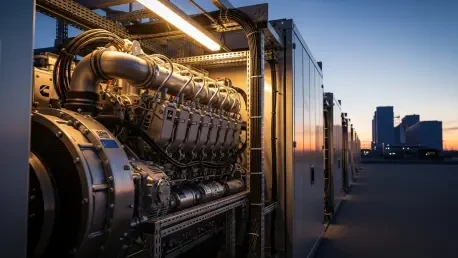
Beyond the speed of deployment, the localized generation model addresses the increasing instability of regional power networks that were never designed to handle the localized load of a 2-gigawatt facility. Transmission lines across many developed regions are reaching their thermal limits, leading to higher costs and increased risks of outages during peak demand periods. By integrating Cummins’ reliable natural gas engines directly into the facility design, Circe Energy eliminates the reliance on long-distance high-voltage lines that are prone to environmental and logistical disruptions. This independence ensures that a data center remains operational regardless of external grid conditions, providing the constant uptime required for advanced machine learning models. Moreover, this setup allows for much more granular control over power quality and voltage regulation, which is essential for protecting sensitive silicon components from the fluctuations often found in public utility feeds.
Strategic Location: The Permian Basin as a Computing Powerhouse
A centerpiece of this massive infrastructure investment is the West Texas AI Infrastructure Campus, a sprawling 1,950-acre development situated strategically within the heart of the Permian Basin. This geographic selection was highly tactical, positioning the data centers directly atop one of the most productive and affordable sources of natural gas in the world. By placing the generation units at the fuel source, the project effectively removes the middleman from the energy supply chain, drastically reducing the fuel transportation costs that typically plague industrial operations. This self-contained ecosystem allows the campus to scale rapidly without competing for resources with local residential or commercial sectors. The sheer size of the site provides ample room for the modular expansion of server halls and power modules, ensuring that the facility can adapt to the evolving needs of hyperscalers and enterprises seeking to consolidate their AI operations in a high-efficiency environment.
The choice of West Texas also highlights a broader industry trend toward “power-first” real estate development, where access to energy dictates the location of digital infrastructure rather than proximity to traditional fiber hubs. Because modern fiber-optic technology allows for high-speed data transmission over vast distances with minimal latency, the physical location of the server can now prioritize energy stability and cost. This allows Circe Energy to leverage the natural resource abundance of the region to create a low-cost energy environment that is shielded from the pricing volatility of more urbanized markets. Additionally, the project supports the regional economy by utilizing local resources and creating high-value jobs in both the energy and technology sectors. This symbiotic relationship between the natural gas industry and the digital economy sets a precedent for how energy-rich regions can become the new centers of gravity for the global tech landscape in the coming years.
Technical Resilience: Redefining the Standard for Digital Infrastructure
The engineering architecture of the West Texas campus centers on a sophisticated “powered shell” model that incorporates advanced microgrid technology and localized power purchase agreements to ensure technical and financial stability. These microgrids are specifically optimized for the intense thermal management requirements of modern AI chips, while the long-term energy contracts provide fixed price visibility for hyperscalers over a ten-year horizon. By maintaining total control over the energy chain—from the gas intake to the liquid cooling systems—the facility achieves an efficient energy-to-data conversion loop that is insulated from market volatility. This level of vertical integration allows for the deployment of high-density hardware that traditional, grid-dependent buildings simply cannot support. Consequently, tenants can justify multi-billion dollar investments in silicon knowing their operational costs are locked in, allowing them to focus on software innovation rather than fluctuating utility bills.
The strategic alliance between Circe Energy and Cummins established a durable blueprint for integrating large-scale energy production with advanced digital infrastructure, successfully bypassing the congestion of an aging public grid. This initiative moved the industry away from a passive reliance on utilities and toward a model of active energy stewardship, where power was treated as a core component of the computing stack. The successful deployment of 2 gigawatts of capacity in the Permian Basin demonstrated that the key to scaling artificial intelligence lay in the convergence of domestic energy resources and innovative design. The project provided a clear roadmap for how other developers approached operational longevity and shielded themselves from the unpredictability of centralized power markets. As the tech sector evolved, this transition toward decentralized, gas-powered solutions became the standard for high-performance computing facilities, proving that energy independence was the most viable path forward for the global digital economy.