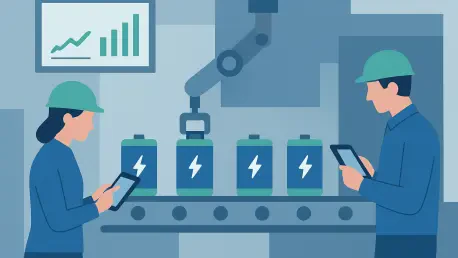

This initiative incorporates a rigorous 12-to-24-month skills transfer program designed to provide Zimbabwean workers with specialized expertise in advanced automotive technology. As the global demand for sustainable transport solutions intensifies, the nation is pivoting from its traditional role as a raw material supplier toward becoming a sophisticated manufacturing hub. This transition is not merely about assembling vehicles but represents a comprehensive overhaul of the industrial landscape, targeting the integration of high-value manufacturing processes within domestic borders. By prioritizing technical education and practical engineering experience, the country aims to bridge the gap between academic knowledge and industrial application, ensuring that the local workforce is prepared for the complexities of electric vehicle production. Such a strategic shift is essential for capturing a greater share of the value chain. This approach is vital as investors seek regional partners capable of delivering high-quality components for the expanding global market.
Resource Management: The Lithium Powerhouse
Mining Evolution: From Raw Ores to Refined Components
In the current cycle running from 2026 to 2028, the primary objective is the localization of mineral processing to maximize economic output from the vast lithium deposits found in the Bikita and Arcadia regions. For decades, these critical minerals were exported as unprocessed concentrates, but the current industrial policy mandates the establishment of local refineries to produce battery-grade lithium carbonate and hydroxide. This shift is designed to insulate the national economy from the volatility of global commodity prices while simultaneously creating high-skilled jobs in chemical engineering and material science. By mandating that a significant percentage of mineral wealth remains in the country through value addition, the government is effectively forcing a technological leap that standardizes mining operations with global environmental and efficiency benchmarks. This evolution transforms the mining sector from a simple extractive industry into a foundational pillar for a modern, tech-driven economy.
Energy Integration: Powering the Future With Renewables
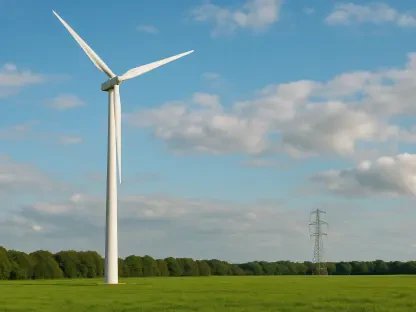
Addressing the reliability of the national power grid is a fundamental component of the electric vehicle strategy, as the successful adoption of e-mobility depends on a consistent and clean energy supply. To meet this challenge, there is a concerted effort to integrate large-scale solar farms and wind energy projects into the existing infrastructure, ensuring that the surge in demand from charging stations does not overwhelm current capacities. During the period from 2026 to 2030, the focus remains on hybridizing the grid by deploying decentralized energy storage systems that can stabilize voltage and provide backup power during peak periods. This approach is particularly vital for urban centers like Harare and Bulawayo, where the density of electric buses and private vehicles is expected to rise sharply. By utilizing smart grid technology, utility providers can manage charging loads more effectively, offering off-peak incentives while prioritizing renewable sources for the grid.
Market Maturation: Assembly and Policy Shifts
Local Assembly: Scaling Domestic Production
The establishment of dedicated industrial zones for automotive assembly has become a cornerstone of the national economic strategy, attracting several international original equipment manufacturers to set up shop. These facilities are designed to handle the semi-knocked-down and completely-knocked-down assembly of electric buses, trucks, and passenger cars, significantly reducing the cost of these vehicles for the local market by eliminating heavy import duties. The current operational phase emphasizes the localization of component manufacturing, where tires, glass, and interior trim are increasingly sourced from local vendors who have upgraded their facilities to meet international quality standards. This local content requirement not only boosts the manufacturing sector but also fosters a robust supply chain that supports thousands of ancillary jobs. By creating a centralized hub for assembly, the country is positioning itself to export finished vehicles to neighboring markets within the African Continental Free Trade Area.
Regulatory Support: Shaping the Green Transition
Ultimately, the path toward a cleaner transport future was paved by a decisive move to phase out the most polluting internal combustion engines from the public fleet by the end of this decade. This bold step encouraged a surge in research and development, as local companies sought to innovate in areas such as electric conversion kits for existing commercial vehicles. The transition was supported by a massive public awareness campaign that highlighted the economic and health benefits of reduced urban air pollution and lower operational costs for vehicle owners. Looking back at the progress made since the start of this initiative, it was clear that the combination of strategic mineral management and robust industrial policy provided a solid foundation for growth. Leaders prioritized regional cooperation to harmonize standards for charging interfaces and battery recycling, ensuring that the local industry remained competitive on a continental scale. The focus then shifted toward developing efficient battery technologies.