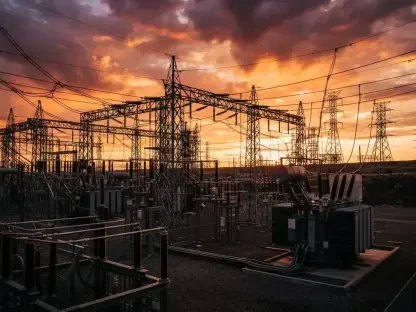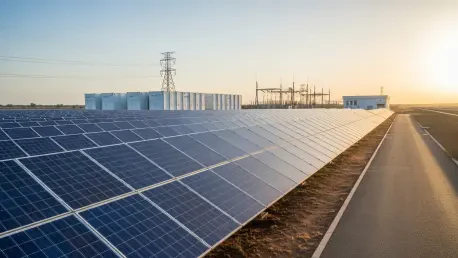

Nigeria’s power sector is standing at a historic crossroads as the federal government implements aggressive new guidelines designed to bridge the massive gap between energy demand and supply. For decades, the nation has grappled with an aging centralized grid that often fails to meet the needs of a growing population and a burgeoning industrial sector. The recent introduction of comprehensive solar integration protocols marks a departure from traditional fossil fuel reliance, signaling a shift toward a more resilient and decentralized energy architecture. These regulations are not merely technical specifications but represent a strategic blueprint for incorporating large-scale photovoltaic systems into the national energy mix. By standardizing the requirements for grid interconnection and off-grid mini-grids, the Nigerian Electricity Regulatory Commission aims to foster a more predictable environment for international investors. This modernization effort is critical because the current system loses billions of dollars annually due to outages, making the adoption of reliable solar technology a national economic priority.
Strengthening the Regulatory Framework
Defining Technical Standards for Grid Interconnectivity
Establishing a uniform set of technical standards has become a cornerstone of the effort to stabilize Nigeria’s electrical infrastructure while incorporating intermittent renewable sources. The new guidelines specify rigorous requirements for advanced inverters and smart metering systems that can manage the bidirectional flow of electricity between private solar arrays and the public utility network. By mandating that all new solar installations adhere to specific voltage regulation and frequency control protocols, the government is mitigating the risk of grid collapse that often plagues older, less flexible systems. Furthermore, these standards provide clear safety benchmarks for technicians and engineers, ensuring that the integration of rooftop panels and large solar farms does not compromise the overall integrity of the local distribution transformers. This technical foundation allows distribution companies to better monitor real-time consumption patterns and adjust supply accordingly, leading to a more efficient and balanced power load across both urban and rural zones.
Enhancing Commercial Viability Through Transparent Policies
Beyond the mechanical and electrical specifications, the updated solar guidelines introduce a much-needed level of commercial clarity that was previously absent from the Nigerian energy market. One of the most significant advancements is the formalization of net metering frameworks, which allow commercial and industrial players to sell excess power back to the grid during peak production hours. This financial incentive not only shortens the payback period for large-scale solar investments but also encourages private corporations to build capacity beyond their own immediate needs. By creating a transparent tariff structure that accounts for the varying costs of renewable generation, the regulatory body is effectively de-risking the sector for both local and foreign financial institutions. This shift toward a market-driven energy economy is expected to attract substantial capital, as investors now have a more predictable regulatory landscape that protects their assets and ensures long-term revenue stability. The removal of ambiguous licensing requirements further accelerates the deployment of these renewable assets across the country.
Expanding Access and Reliability
Leveraging Decentralized Solutions for Rural Electrification
The push for modernization extends far beyond the major metropolitan hubs of Lagos and Abuja, specifically targeting the vast rural areas that have historically remained disconnected from the national grid. Decentralized solar mini-grids have emerged as the primary solution for these underserved regions, and the new guidelines provide a streamlined path for their rapid deployment and scaling. By simplifying the permitting process for small-scale developers, the government is empowering local entrepreneurs to provide clean energy to farming communities and remote villages. These isolated systems are now required to maintain specific service levels, ensuring that rural consumers receive reliable and high-quality power rather than subpar, temporary fixes. This focus on localized generation reduces the immense cost of extending transmission lines over difficult terrain, making universal energy access a more realistic goal within the current development cycle. Additionally, the guidelines encourage the use of hybrid systems that combine solar power with battery storage, providing 24-hour electricity that supports local healthcare facilities and educational institutions.
Promoting Long-Term Infrastructure Sustainability
The strategic overhaul of Nigeria’s solar regulations ultimately addressed the systemic inefficiencies that hampered previous attempts at national energy reform. By prioritizing technological standardization and financial transparency, the regulatory commission established a resilient foundation that successfully integrated renewable sources into a traditionally fragile grid system. The resulting surge in private sector participation not only improved the reliability of power for millions of households but also catalyzed the growth of a domestic solar manufacturing and maintenance industry. Policymakers and stakeholders worked in tandem to ensure that these guidelines remained adaptable to emerging technologies, such as advanced lithium-ion storage and artificial intelligence-driven grid management. This collaborative approach proved essential for maintaining the momentum of the energy transition while fostering economic growth through increased industrial productivity and job creation. As the nation moved away from its reliance on centralized gas-fired plants, the focus shifted toward building a more diverse and self-sustaining energy ecosystem that could withstand future global market fluctuations and environmental challenges.