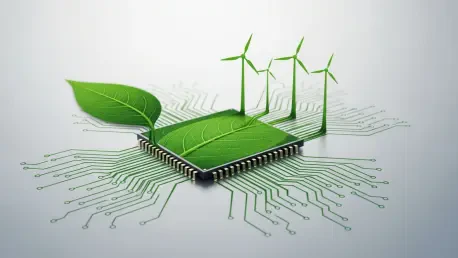

The rapid expansion of specialized data centers designed to support generative artificial intelligence is forcing New Jersey to reconcile its technological ambitions with its statutory commitment to achieve one hundred percent clean energy. As developers eye the state’s proximity to major financial hubs and subsea cable landings, the demand for reliable, high-density power has reached unprecedented levels. State officials are navigating a complex landscape where the economic promise of the AI boom competes directly with the aggressive decarbonization targets outlined in the Energy Master Plan. This tension is particularly evident in northern industrial corridors where aging infrastructure must be modernized to accommodate the massive cooling and electrical loads inherent to modern GPU clusters. Balancing these priorities requires a delicate orchestration of utility upgrades and regulatory foresight. The outcome will serve as a national blueprint for how densely populated states manage the digital gold rush while preserving environmental integrity.
The Energy Challenge: Integrating High-Density Computing into the Grid
The technical architecture of AI-specific data centers differs significantly from traditional cloud storage facilities because deep learning models require immense computational power and sophisticated liquid cooling systems. This shift has placed a spotlight on New Jersey’s electrical grid, which was originally built for a decentralized mix of residential and industrial users rather than concentrated, always-on mega-loads. Grid operators are currently evaluating how to integrate these high-consumption sites without compromising the stability of the broader PJM Interconnection. To address this, some developers are proposing on-site microgrids and fuel cell installations as temporary bridges until broader utility upgrades are completed. These localized power solutions must be managed to ensure they do not rely on carbon-intensive backup generators, which would undermine the state’s carbon goals. The integration of computing clusters necessitates a rethinking of how energy is distributed across the region.
Legislative leaders are currently drafting frameworks that link financial incentives for data center operators to strict environmental performance standards and renewable energy procurement. Rather than offering blanket tax exemptions, the state is moving toward a model where benefits are contingent upon the use of carbon-neutral cooling technologies and participation in demand-response programs. This approach incentivizes developers to locate their facilities near existing brownfield sites or areas where the grid has surplus capacity, reducing the need for costly new infrastructure. Furthermore, the promotion of “circular energy” systems, where waste heat from data centers is repurposed for local heating districts, provides a pathway toward higher efficiency. These policies aim to transform data centers from passive energy consumers into active participants in the green economy. By aligning development with stewardship, New Jersey seeks to attract firms with sustainability commitments.
The path forward was established through the successful implementation of pilot programs that integrated massive battery storage systems with server farms to balance intermittent green energy. Policymakers recognized that the only way to sustain this growth was to mandate a percentage of on-site renewable generation for all new large-scale projects. Looking ahead, the state prioritized the development of hydrogen-ready infrastructure and accelerated the permitting of offshore wind to provide the steady baseload power required by modern computing. Future considerations included the expansion of workforce training programs that bridge the gap between electrical engineering and specialized AI infrastructure management. By focusing on modular data center designs that scale with energy availability, New Jersey created a template for industrial resilience. These actions ensured that digital innovation did not come at the expense of ecological stability, providing a clear roadmap for other states in transition.