
Michigan currently finds itself at a historical crossroads as it attempts to reconcile its industrial legacy with the urgent requirements of the 2023 Clean Energy and Jobs Act. This legislative framework mandates a total shift to carbon-free electricity by 2040, a target that necessitates a fundamental restructuring of how the state produces and consumes power. While the ambition of this policy has garnered national attention, the reality on the ground is marked by significant logistical hurdles and a deeply polarized political environment. Transitioning an entire state’s energy profile requires more than just legal mandates; it demands a synchronization of utility operations, technological innovation, and public buy-in that is currently being tested by economic pressures. As major energy providers adjust their long-term strategies, the state must navigate a complex landscape where the desire for environmental sustainability frequently clashes with immediate concerns regarding grid reliability and the potential for increased costs.
The volatility of this transition is further compounded by organized opposition efforts like Project Lighthouse, which seek to dismantle the existing clean energy mandates in favor of a more market-driven approach. Critics argue that these government-imposed benchmarks place an undue burden on families and businesses while disproportionately benefiting large utility corporations that can pass infrastructure costs onto consumers. This ideological conflict has created a palpable sense of uncertainty, leaving many residents to wonder if the 2040 goal remains a steadfast commitment or a fragile policy vulnerable to future legislative reversals. Consequently, the progress made over the next few years will serve as a definitive indicator of whether Michigan can sustain its climate momentum or if the weight of political and economic friction will ultimately force a scaling back of these historic environmental objectives. The current tension underscores the necessity of a robust regulatory framework that withstands shifting political winds.
Regulatory Oversight and Infrastructure Transformation
Holding Utilities Accountable through Rigorous Oversight
The Michigan Public Service Commission (MPSC) has emerged as the central figure in ensuring that the state’s ambitious climate targets are translated into actual utility operations rather than remaining mere legal aspirations. Under the expanded authority granted by the 2023 legislation, the commission is now tasked with a more aggressive review of the capital investments proposed by major investor-owned utilities like DTE Energy and Consumers Energy. This shift represents a significant departure from traditional oversight models, which historically focused on maintaining steady shareholder returns and basic service reliability. Now, the MPSC must integrate carbon reduction metrics directly into its decision-making process, forcing companies to justify every dollar spent on new infrastructure through the lens of long-term environmental sustainability. By exerting this level of control, the state aims to ensure that utility companies do not simply pay lip service to green energy while continuing to rely on outdated, high-emission models.
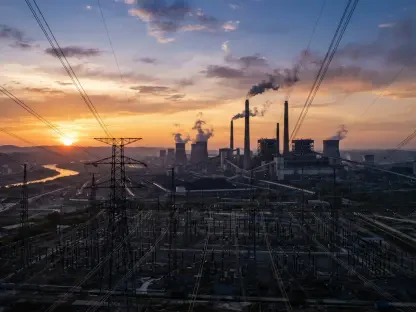
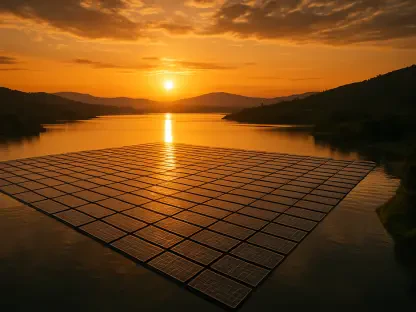
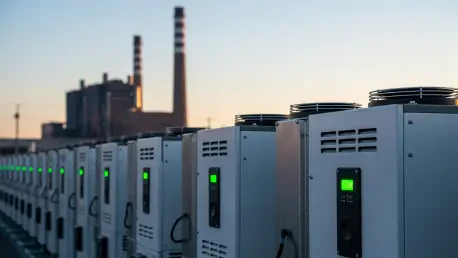
A primary mechanism for this accountability is the scrutiny of Integrated Resource Plans (IRPs), which serve as the long-term blueprints for how utilities will meet the state’s evolving energy demands. The MPSC is currently using these plans to accelerate the retirement of remaining coal-fired power plants, such as the massive Monroe and River Rouge facilities, which have long been the backbone of Michigan’s electrical generation. Replacing these legacy assets requires a massive influx of renewable energy sources, including utility-scale solar farms and wind turbines, coupled with advanced battery storage systems to manage intermittency issues. The challenge lies in the sheer scale of this transformation, as the commission must balance the need for rapid decarbonization with the technical necessity of maintaining a stable and resilient power grid. As these resource plans undergo review throughout 2026, the MPSC’s ability to demand more ambitious renewable targets will determine if Michigan can stay on schedule.
Evaluating the Economic Impact of the Renewable Transition
The economic implications of Michigan’s energy overhaul remain a point of intense contention, with stakeholders offering wildly different projections regarding the long-term impact on consumer utility bills. Proponents of the clean energy transition argue that shifting away from fossil fuels will eventually lead to more stable pricing by removing the state’s dependence on volatile global markets for coal and natural gas. They point to the declining costs of solar and wind technology as proof that a green grid can be more affordable than maintaining aging thermal power plants that require constant, expensive maintenance and fuel inputs. Furthermore, independent analysts suggest that the initial capital investments required for this transition will be offset by the health benefits and environmental damage mitigation that a carbon-free economy provides. However, this optimistic outlook is frequently challenged by consumer advocacy groups who fear that the upfront costs of building new infrastructure will lead to rate hikes.
This debate over affordability is particularly relevant given that Michigan has historically struggled with some of the highest residential energy rates and worst reliability scores in the Midwest. Modernizing a grid that has suffered from decades of underinvestment is a costly endeavor, and the tension arises from who will ultimately bear the financial responsibility for these upgrades. While federal tax credits and state incentives are designed to lower the burden, the remaining costs are often passed through to ratepayers in the form of increased delivery charges and infrastructure surcharges. To address these concerns, state regulators are exploring new rate-making structures that could protect low-income households from the sharpest price increases during the transition phase. The success of the 2040 goal will largely depend on whether the state can prove to its citizens that clean energy is not a luxury but a cost-effective alternative to a status quo that is becoming increasingly unreliable.
Political Volatility and the Power of the Public
The Crucial Role of Upcoming Election Cycles
The political landscape in Michigan is currently defined by a high-stakes competition that will likely dictate the longevity and effectiveness of the state’s current clean energy statutes. As the 2026 midterm elections approach, the composition of the state legislature and the executive branch will directly influence the future direction of environmental policy and regulatory appointments. Because the governor holds the power to appoint members to the Michigan Public Service Commission, the outcome of these elections determines whether the regulatory body remains committed to aggressive carbon reduction or pivots toward a more conservative approach. This creates a scenario where the legal framework established in 2023 is constantly under threat of revision or stagnation depending on which political faction gains the upper hand. Voters find themselves at the center of this transition, as their choices at the ballot box will ultimately decide if the state continues to lead the nation in climate action.
Beyond the appointment of regulators, the upcoming election cycle serves as a referendum on the very idea of a state-mandated energy transition during a time of economic uncertainty. Candidates across the spectrum are using energy policy as a wedge issue, framing the debate either as a necessary step toward a modern economy or as an example of government overreach that threatens the state’s industrial competitiveness. The 2026 review of utility resource plans will provide the first real-world data on how these laws perform in practice, giving both sides ammunition for their respective arguments. If the current administration and its allies can demonstrate that the transition is creating jobs and stabilizing the grid without causing massive price spikes, they may secure the political capital needed to see the 2040 goal through to completion. Conversely, if the transition is perceived as chaotic or excessively expensive, the resulting political backlash could lead to a legislative rollback.
Fostering Civic Engagement and Advocacy
While the high-level decisions regarding Michigan’s energy future are often made in the halls of the state capitol or within the boardroom of the MPSC, the influence of grassroots civic engagement cannot be understated. Residents are increasingly finding that their voices are a vital component in shaping the narrative around energy affordability and environmental justice during this period of transition. Participating in public comment periods for utility rate cases or attending town hall meetings hosted by commissioners provides a direct line of communication between the public and the decision-makers who hold the power to approve or deny multi-billion dollar projects. This level of engagement is necessary to ensure that the transition remains transparent and that the interests of individual households are not sidelined by the lobbying efforts of well-funded corporate entities. By organizing at the local level, communities can demand that renewable energy projects are sited equitably and that benefits are shared.
Advocacy also extends into the digital and media spheres, where public opinion is shaped and mobilized to put pressure on elected officials to uphold their environmental commitments. Residents can leverage social media platforms and local news outlets to highlight the real-world impacts of energy policy, such as the effects of power outages or the burden of rising utility costs on fixed incomes. This public discourse forces a level of accountability that goes beyond what can be achieved through formal legal channels alone, as it makes the political cost of ignoring consumer interests too high for many politicians to ignore. As the state moves deeper into the implementation phase of the Clean Energy and Jobs Act, the ability of citizens to remain informed and vocal will be the deciding factor in whether the transition remains a democratic process or a purely bureaucratic exercise. Fostering a culture of active participation ensures that the 2040 goal reflects the actual needs of the people.
Strategic Implementation and the Path Forward
Building a resilient and carbon-free power grid required a level of cooperation between the public sector and private industry that was previously unprecedented in Michigan’s history. To move forward effectively, local municipalities prioritized the streamlining of zoning laws for solar and wind developments, which removed the primary bottleneck for new renewable capacity. Stakeholders also focused on the immediate implementation of community-scale battery storage projects to stabilize local distribution networks before larger transmission upgrades were completed. These actions demonstrated that the path to a sustainable future was paved not just by high-level legislation, but by practical, localized adjustments to energy management. Moving forward, the focus shifted toward aggressive investments in workforce training programs that equipped former fossil fuel workers with the technical skills needed for the clean energy sector. By treating the transition as an economic redevelopment strategy, the state established a blueprint for long-term prosperity.