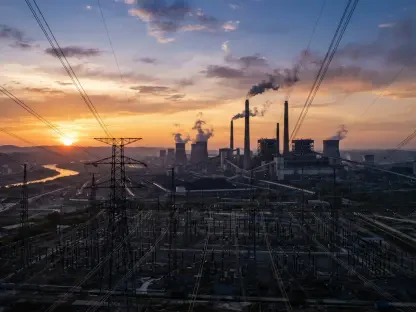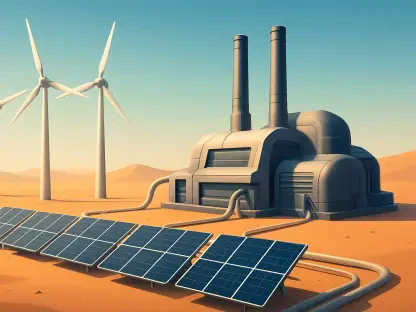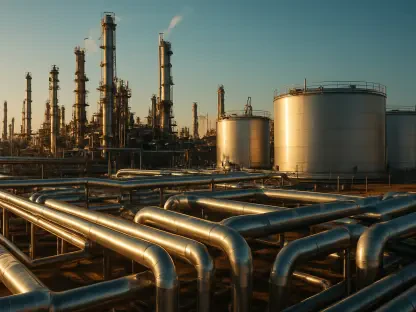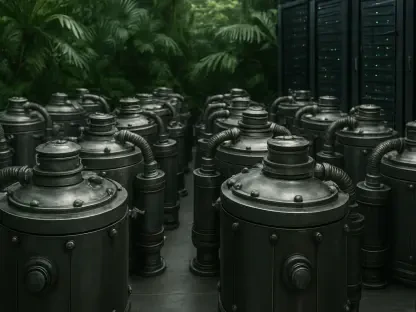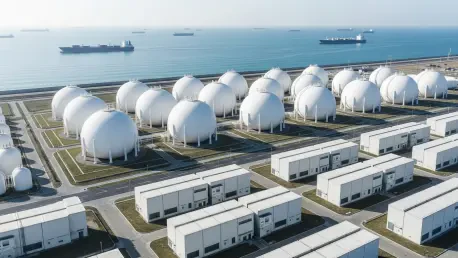

The rapid expansion of generative artificial intelligence and high-performance computing clusters has created an unprecedented surge in electricity demand that threatens to outpace current renewable energy deployment strategies across the globe. As silicon chips become more power-intensive, the reliance on stable, baseload power becomes a matter of national security and economic competitiveness. While solar and wind power provide essential clean energy, their intermittent nature necessitates a secondary, reliable fuel source that can scale rapidly to meet the requirements of massive data centers. Liquefied Natural Gas (LNG) has emerged as a primary contender to fill this void, offering a relatively lower carbon footprint compared to coal while providing the consistent energy flow required for 24/7 AI operations. This shift represents a fundamental realignment of the energy sector, where the digital economy is now driving physical infrastructure investment at a pace rarely seen in the industrial era. Market dynamics indicate that gas will remain a cornerstone of this transition for years. The sheer scale of proposed data centers, some requiring gigawatts of power, makes the logistics of energy delivery as critical as the software itself. Consequently, the global supply chain for liquefied gas is being redesigned to prioritize the stability of digital infrastructure above traditional residential heating or industrial manufacturing needs. This evolution suggests that the future of computing is inextricably linked to the liquid gas markets of today and tomorrow.
Bridging the Gap Between Digital Demands and Resource Availability
The Escalating Energy Consumption of Hyperscale Data Centers
The hardware required to train the latest large language models consumes electricity at rates comparable to mid-sized cities, creating a bottleneck that renewable sources alone cannot currently solve. In regions like Northern Virginia or parts of Southeast Asia, the local electrical grids are struggling to accommodate the massive draw from cooling systems and high-density server racks. Engineers are finding that while solar arrays are beneficial during daylight hours, the peak processing times for AI training often occur overnight or during periods of low renewable generation. This creates a reliance on traditional thermal generation to ensure that multi-billion dollar compute clusters do not experience downtime. The transition from 2026 to 2028 will likely see an even greater concentration of power needs as the next generation of neural networks enters development. Consequently, many tech firms are securing long-term gas delivery contracts to guarantee that their operations remain online regardless of weather patterns. The physical infrastructure of the internet is no longer just about fiber optics; it is increasingly about the pipelines and storage tanks that ensure electrons flow to processors without interruption. As the complexity of machine learning models grows, the relationship between energy density and computational throughput becomes the defining constraint for the next phase of the digital age.
Strategic Role of Natural Gas in Grid Stabilization
To maintain the integrity of the grid while integrating high percentages of variable renewables, natural gas power plants act as a critical balancing mechanism that can be dispatched on demand. Unlike nuclear reactors, which provide steady power but lack the flexibility to ramp up or down quickly, modern gas turbines can adjust their output in minutes to compensate for a sudden drop in wind speed or solar intensity. This flexibility is essential for AI-driven economies where even a momentary fluctuation in power quality can cause significant data loss or hardware damage. Furthermore, the global LNG market has become more liquid and transparent, allowing nations to procure fuel from a variety of sources to mitigate geopolitical risks. This supply security is vital for maintaining the continuous operation of the cloud infrastructure that now underpins everything from global finance to healthcare diagnostics. As companies look toward the period from 2026 to 2029, the investment in gas-fired peaking plants will likely increase as a prerequisite for further digital growth. By acting as a safety net, natural gas allows for a more aggressive expansion of wind and solar assets, knowing that a reliable backup is available. This synergy is necessary to prevent the energy shortages that could otherwise stifle innovation in the highly competitive artificial intelligence sector.
Infrastructure Evolution and the Transition to Sustainable Baseloads
Developing Liquid Gas Networks for Remote Computing Hubs
Moving data centers closer to energy sources is becoming a more viable strategy than attempting to transmit massive amounts of electricity over long distances. Some developers are exploring the concept of “gas-to-data” sites, where LNG terminals are co-located with hyperscale computing facilities to minimize transmission losses and improve efficiency. This localized approach allows for the direct use of natural gas in onsite turbines, with the waste heat potentially being repurposed for cooling or other industrial processes. Such configurations reduce the strain on public utilities and allow tech giants to operate with a degree of energy independence that was previously unattainable. The development of modular LNG solutions also means that computing power can be deployed in regions that lack robust electrical infrastructure but have access to maritime trade routes. This geographic flexibility ensures that the expansion of AI is not limited by the existing limitations of national power grids, paving the way for a more distributed and resilient global digital architecture through the end of the decade. As the world moves from 2026 to 2030, these micro-grid solutions will likely become the standard for high-security applications that require absolute uptime. This decentralization of power generation marks a significant departure from the centralized utility models of the past century.
Implementing Advanced Systems for Long-term Sustainability
The integration of carbon capture and storage (CCS) technology into gas-fired power generation provided the necessary bridge to meet stringent environmental standards while satisfying the thirst of the AI sector. Industry leaders prioritized the deployment of high-efficiency turbines that significantly reduced methane leakage and localized emissions during the critical expansion phase between 2026 and 2027. Governments shifted their focus toward incentivizing the blending of hydrogen into existing gas infrastructure, which offered a pathway toward further decarbonization without abandoning established assets. Tech companies invested heavily in research aimed at optimizing the thermodynamic efficiency of data center cooling when paired with liquefied gas regasification processes. These strategic moves ensured that the digital revolution did not come at the expense of climate goals. Moving forward, the focus turned to the standardization of green certificates for LNG cargoes to track the total lifecycle emissions of the energy powering the cloud. This multifaceted approach stabilized energy prices and fostered a more sustainable relationship between the tech industry and global fuel markets. The realization that energy reliability and environmental stewardship were not mutually exclusive paved the way for a more balanced global policy framework. By aligning the interests of gas producers and technology developers, the industry established a robust foundation for the continued growth of artificial intelligence.