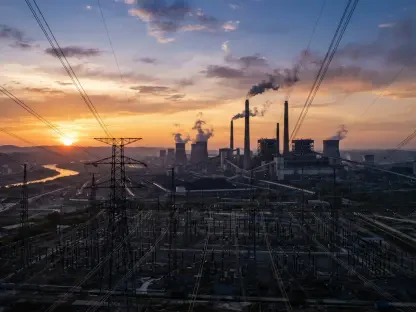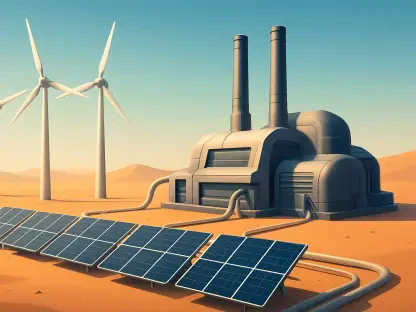

The move toward non-pipeline alternatives is a central pillar of a new planning framework designed to avoid massive and unnecessary capital construction projects. In regions across the country, the energy landscape is currently struggling with a dual affordability crisis that threatens the financial stability of millions of households. As electric bills climb to support grid modernization and natural gas costs fluctuate due to aging infrastructure, a systemic flaw has emerged: the lack of coordination between gas and electric planning. This fragmentation often results in redundant investments and conflicting forecasts, where one arm of a utility prepares for a future that the other arm ignores. Consequently, consumers are left to foot the bill for a disorganized expansion that fails to prioritize efficiency or long-term affordability. Without a unified strategy, the transition to a cleaner energy system risks becoming an unnecessarily expensive burden for the public to bear during this pivotal time of technological transition.
The Consequences of Disjointed Utility Management
Strategic Misalignment: Identifying Inefficiencies in Modern Forecasting
A striking example of this planning gap can be seen in major utility divisions where companies often operate under contradictory assumptions. While the electric sector may forecast a massive surge in heat pump adoption to meet decarbonization goals, the gas sector within the same parent organization frequently plans for continued customer growth as if electrification were not occurring. This misalignment leads to a fork in the road characterized by wasted capital and redundant infrastructure projects. The electric side spends billions to increase capacity for new demand, while the gas side simultaneously invests hundreds of millions to expand a system that many customers are expected to leave in the near future. These parallel paths create a scenario where the total cost of energy delivery is artificially inflated because the system is being built to serve two different, mutually exclusive futures that cannot both realistically occur simultaneously for the same customer base.
Regulatory Incentives: Capital Investment vs. Value
The root of this systemic inefficiency lies in a traditional regulatory model that creates a structural incentive for utilities to build new physical assets rather than optimizing existing ones. Since utility profits are typically tied to the amount of capital invested in infrastructure, both gas and electric divisions are financially motivated to justify as many shovels in the ground as possible. This siloed approach allows companies to maximize expenditures by ignoring the holistic needs of the energy system. Without a unified strategy, these competing investments risk becoming stranded assets, leaving ratepayers to pay for infrastructure that is either redundant or prematurely obsolete. This mechanism rewards construction volume over consumer value, ensuring that utilities prioritize large-scale projects even when more affordable software or demand-response solutions are available. Shifting this dynamic requires a fundamental change in how regulators evaluate utility success and financial returns.
The Ratepayer Burden: Assessing the Impact of Arrears
The financial burden of these uncoordinated investments is not merely a corporate oversight; it has a direct and devastating impact on the daily lives of the public. In major markets, delivery costs—the portion of the monthly bill dedicated to infrastructure maintenance and expansion—now account for approximately 75% of total energy expenses. As these costs rise, the number of households falling behind on payments has reached alarming levels. With billions of dollars in total utility arrears and millions of families spending a disproportionate amount of their income on basic energy needs, the current trajectory is increasingly unsustainable for the average consumer. This crisis is particularly acute for low-income residents who must choose between heating their homes and purchasing essential supplies. The lack of integrated planning directly contributes to this hardship by allowing costs to escalate without a clear assessment of whether new investments are truly necessary for reliability.
Modernizing Policy for a Sustainable Future
Integrated Planning: Transitioning to a Unified Framework
To address these challenges, experts and consumer advocates recommend a shift toward Integrated Gas and Electric Planning, also known as the IGEP framework. This approach demands a total overhaul of how utilities operate, moving away from isolated silos and toward a coordinated, cross-commodity system. By synchronizing regulatory timelines and requiring divisions to share data and forecasting assumptions, regulators can ensure that infrastructure projects are complementary rather than contradictory. This shift prioritizes least-cost alternatives, such as non-pipeline solutions and localized energy resources, to meet energy needs without resorting to the most expensive capital options. When gas and electric planners sit at the same table, they can identify opportunities to retire old gas lines in favor of targeted electrification, thereby saving millions of dollars in maintenance. This synergy is essential for creating a modern energy grid that remains affordable for all citizens.
Industry Accountability: Establishing New Standards for Transparency
There is a growing recognition among policymakers that the business-as-usual model must evolve to protect consumers and meet modern energy goals. New legislative efforts and updated energy plans are beginning to mandate that utilities demonstrate due diligence in their spending before receiving approval for new projects. By empowering public service commissions to require long-term integrated planning, states can force utilities to prioritize demand management over unnecessary expansion. Some forward-thinking companies are already piloting integrated visions that treat gas and electric services as a single energy delivery paradigm. These pilots demonstrate that when transparency is prioritized, the public can better understand the rationale behind rate changes and the long-term benefits of specific infrastructure choices. This accountability is crucial for restoring trust between utilities and the communities they serve while ensuring that every investment aligns with broader public policy.
Actionable Solutions: Navigating the Utility Cost Crisis
The move toward integrated planning proved to be an essential turning point in resolving the utility cost crisis. Legislators and regulators established new protocols that required utility companies to align their gas and electric forecasts, which significantly reduced the risk of stranded assets. By prioritizing non-pipeline alternatives and targeted electrification, the industry successfully mitigated the need for massive capital expenditures that would have otherwise crippled low-income households. The adoption of these coordinated strategies enhanced system reliability during extreme weather events, as planners accounted for the interdependencies of the two sectors. Ultimately, the shift toward a transparent and unified energy delivery model safeguarded the economic well-being of the public. This transition provided a clear framework for future infrastructure development, ensuring that every dollar spent by ratepayers served as an investment in a stable and sustainable energy future for the long term.