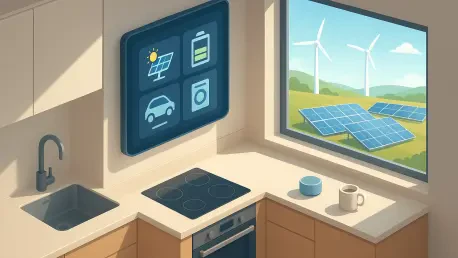

California’s power grid is currently undergoing a radical metamorphosis as the traditional reliance on massive, distant power plants gives way to a sprawling web of millions of interconnected devices. This shift is occurring against a backdrop of surging electricity rates and an aggressive push toward total electrification. As homeowners install high-capacity batteries and park electric vehicles in their garages, the very nature of energy consumption is evolving. The grid is no longer a one-way street; instead, it is becoming a complex ecosystem where every residential asset can potentially contribute to stability.
Navigating the Shift: The Rise of Decentralized Energy in California
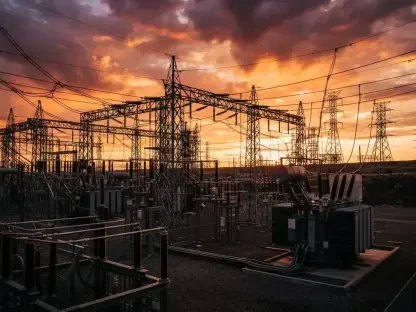
The current state of the California grid is defined by a tension between aging infrastructure and the rapid adoption of clean technology. Electricity costs have climbed significantly as utilities invest in wildfire mitigation and transmission upgrades. At the same time, the state’s mandate to phase out internal combustion engines has placed an unprecedented load on the system. This combination of high prices and high demand has forced a rethink of how energy is generated and distributed, moving away from the twentieth-century model of centralized control.
A decentralized network of customer-owned assets is emerging as the most viable solution to these challenges. This network, composed of distributed energy resources (DERs), represents a fundamental change in the balance of power. The California Public Utilities Commission (CPUC) and major investor-owned utilities are now tasked with managing a grid where the consumer is also a producer. The growing influence of the electric vehicle and smart-home sectors means that the health of the grid now depends on the coordination of millions of private investments.
Understanding the scope of these resources is essential for maintaining statewide reliability. Distributed energy resources are no longer just supplemental additions to the energy mix; they are becoming a primary line of defense against peak demand spikes. By leveraging these assets, the state can avoid the construction of expensive, polluting peaker plants. This transition requires a sophisticated orchestration of hardware and software, where the collective capacity of residential solar, storage, and appliances forms a unified, resilient energy backbone.
Harnessing the Power of Solutions Sitting in Driveways
Emerging Technologies and the Evolution of Demand Flexibility
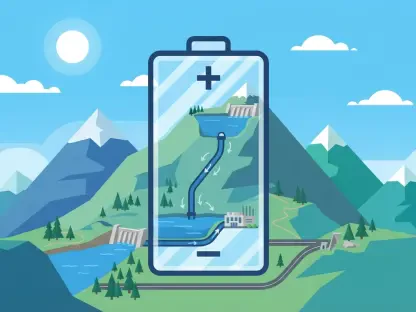
Vehicle-to-Grid technology has transitioned from a theoretical concept to a transformative tool for energy management. By turning electric vehicles into mobile energy storage units, California can tap into a massive, underutilized resource that spends most of its time parked. This technology allows cars to discharge energy back into the grid during periods of extreme stress, effectively acting as a giant, state-wide battery. As more consumers adopt bidirectional charging, the distinction between transportation and energy infrastructure continues to blur.
Advancements in smart building technologies and residential battery storage are also serving as major market drivers. These systems allow for the automated adjustment of energy use based on real-time price signals, shifting consumption away from expensive peak hours. Consequently, consumer behavior is shifting from a passive relationship with the utility to an active role in grid participation. This evolution is driven by both the desire for lower bills and the increasing availability of user-friendly interfaces that simplify energy management.
Growth Projections: Quantifying the Impact of Virtual Power Plants
The economic potential of these technologies is significant, with market data suggesting that virtual power plants could provide up to five hundred and fifty million dollars in annual savings for the state. By aggregating thousands of small energy assets, these virtual plants can provide the same services as traditional power stations at a fraction of the cost. Performance indicators suggest that flexible load management could meet more than fifteen percent of peak electricity demand, providing a crucial buffer during heatwaves or other grid emergencies.
Forecasting the landscape from 2026 to 2036 reveals an even more substantial opportunity for the energy sector. By the end of this ten-year period, the projected fleet of electric vehicles could provide nine gigawatts of twelve-hour storage capacity. This amount of energy storage represents more than one-third of the state’s total long-duration storage targets. The rapid scale-up of this capacity indicates that the path to a carbon-neutral grid is inextricably linked to the continued adoption of flexible, mobile energy assets.
Overcoming the Barriers to a Unified Flexible Grid
Significant obstacles remain in the way of a fully integrated flexible grid, most notably the fragmentation of current utility programs. Currently, consumers face a confusing array of different incentives and requirements depending on their geographical location and utility provider. This lack of a standardized experience discourages participation and prevents the state from achieving the economies of scale necessary for true grid transformation. For demand flexibility to become a foundational resource, it must be as easy for a consumer to enroll as it is to sign up for a streaming service.
Technical complexities regarding interoperability also present a major hurdle for system designers. Different manufacturers of hardware and software often use proprietary protocols that do not communicate effectively with utility management systems. Ensuring that a smart thermostat, an electric vehicle charger, and a home battery can all respond to the same grid signal is a massive engineering challenge. Without statewide standards for communication and data exchange, the grid will remain a collection of isolated silos rather than a unified network.
Strategies for ensuring fiscal responsibility are also vital to maintaining public trust in the energy transition. It is essential to set incentives below the avoided costs of traditional infrastructure to prevent shifting financial burdens onto those who cannot participate in these programs. This approach ensures that while active participants are rewarded for their services, the overall cost of electricity remains lower for every ratepayer in the state. Scaling participation requires moving demand flexibility from its current status as a niche emergency program to a reliable piece of foundational infrastructure.
Modernizing the Framework: Regulation and Standardization
The California Public Utilities Commission is now focusing on refining and unifying demand flexibility programs to create a more cohesive market. By implementing performance-based incentives, the commission aims to reward verified grid services and measurable impacts rather than simple enrollment. This shift ensures that the state is getting real value for its investments and that flexible loads are providing the reliability they promise. Modernizing regulation also means streamlining the application process to reduce barriers to entry for both consumers and technology providers.
Establishing statewide standards for program design is a critical step in this regulatory evolution. A uniform framework allows technology companies to build products once and deploy them across all utility territories, fostering innovation and lowering costs. Furthermore, robust compliance and security measures must be integrated into this framework to protect the grid from cyber threats and ensure the privacy of consumer data. As the energy ecosystem becomes more interconnected, the importance of maintaining a secure and stable digital infrastructure cannot be overstated.
The Horizon of Energy Innovation: What Lies Ahead for California
Looking ahead, the influence of long-duration storage procurement will become a central theme in California’s energy strategy. The integration of these storage assets with flexible loads will provide a more comprehensive solution to the intermittency of renewable energy. Additionally, the potential for grid-edge intelligence is expected to automate demand response almost entirely, allowing the grid to balance itself without requiring constant consumer intervention. This level of automation will be necessary as the number of connected devices grows into the tens of millions.
Future growth areas also include expanding asset participation beyond residential vehicles to include massive industrial loads and microgrids. Industrial facilities offer significant potential for demand flexibility, as their large-scale operations can be shifted to align with renewable energy availability. Expanding the scope of participation in this way will turn the entire economy into a flexible asset for the grid. This innovation positions California as a global blueprint for energy transitions, demonstrating how a modern economy can thrive on a resilient, decentralized power system.
A Durable Blueprint for Reliability and Affordability
The investigation into flexible load capacity revealed that standardization was the most critical factor in unlocking the full potential of the grid. It was found that a unified approach to demand management offered a far more cost-effective alternative to the traditional expansion of generation and transmission lines. The data demonstrated that by treating flexible loads as a reliable resource, the state could maintain its high standards for reliability while simultaneously driving down the total cost of energy for the public.
Stakeholders recognized that prioritizing fair-share economic models was the only way to sustain long-term public support for the energy transition. The analysis concluded that when participants were compensated fairly for the value they provided, the resulting grid stability benefited the entire population. The path toward a resilient, consumer-powered energy future was shown to depend on a shift in perspective, viewing every connected device not just as a consumer of power, but as a potential guardian of the grid’s stability.