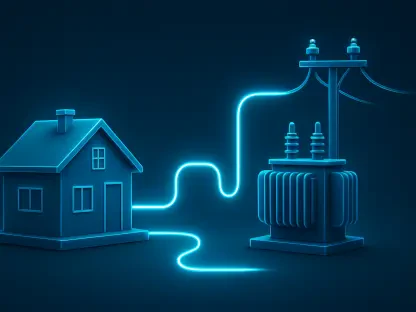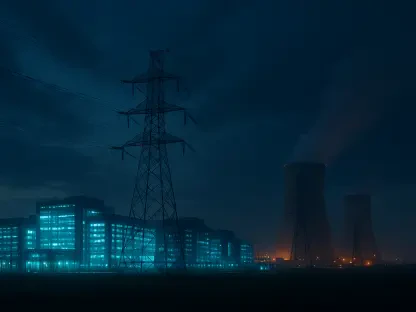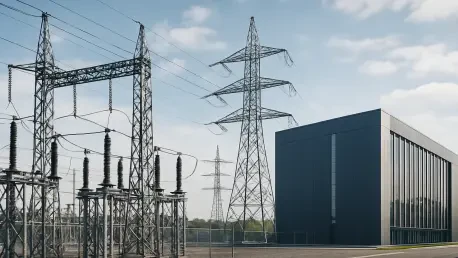

The relentless expansion of energy-hungry data centers across the Philadelphia metropolitan area has placed the regional power grid under a level of strain that was previously unimaginable just a few years ago. As the digital backbone of the modern economy, these facilities represent a double-edged sword for the Pennsylvania region. While they drive innovation and high-tech employment, their voracious appetite for electricity threatens the stability of the legacy infrastructure that supports millions of households. This tension is particularly acute within the PJM Interconnection, the massive regional transmission organization responsible for coordinating the movement of wholesale electricity in parts of 13 states.
The rapid expansion of the data center industry in the Delaware Valley is no longer a peripheral concern for utility planners but a central crisis. Major developers are flocking to the region, drawn by strategic proximity to fiber optic hubs and relatively favorable tax environments. However, the sheer scale of these projects creates a massive load on the grid that was never designed to accommodate such concentrated bursts of power demand. Consequently, the Pennsylvania Public Utility Commission (PUC) has stepped in to provide regulatory oversight, attempting to balance the aggressive growth strategies of developers with the finite capacity provided by utility giants like PECO.
The Digital Gold Rush and the PJM Interconnection Energy Crisis
The current energy landscape in the Philadelphia region is defined by a frantic race between technological progress and infrastructural reality. Data centers have become the primary engines of the local economy, housing the servers that process everything from global financial transactions to daily communications. Yet, this digital gold rush is unfolding against the backdrop of an aging electrical system that struggles to maintain reliability. PJM Interconnection finds itself at a crossroads, forced to manage a surge in demand while legacy power plants face retirement or environmental mandates.
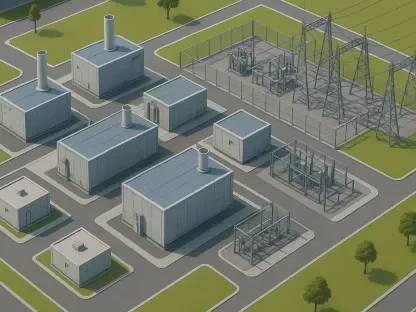
Market players are increasingly concerned about the potential for a catastrophic mismatch between power generation and industrial needs. Developers often propose facilities that require hundreds of megawatts—load amounts equivalent to small cities—within compressed timelines. Utility providers, in turn, face the daunting task of upgrading substations and transmission lines to meet these requirements. The Pennsylvania PUC serves as the ultimate arbiter in this scenario, ensuring that the push for digital dominance does not result in systemic failure or unmanageable costs for the public.
Forecasting the Surge: Data Demand vs. Grid Capacity
Emerging Trends in Electrification and Industrial Growth
A fundamental shift is occurring in how the Philadelphia region consumes energy, driven largely by the explosive rise of generative artificial intelligence. These AI-driven data centers require significantly more power than traditional server farms because of the high-density computing chips needed for complex model training. This move toward high-bandwidth digital services necessitates 24/7 server uptime, leaving virtually no room for the grid to recover during traditional off-peak hours.
Moreover, the broader electrification of industrial equipment and the accelerating transition toward electric vehicles (EVs) create a compounding effect. As more residents and businesses swap internal combustion engines for electric alternatives, the secondary layer of demand adds significant complexity to regional load management. The grid must now account for a simultaneous increase in commercial processing power and residential charging needs, creating a scenario where total power requirements are escalating at an unprecedented pace.
Statistical Projections for 2030 and the Reliability Gap
Recent data from energy analysts suggest that the historical “one-in-ten” reliability standard is at risk of total obsolescence. Projections indicate a potential six-fold increase in failure rates by 2030, meaning the grid could fail to meet demand multiple times within a single decade. In a worst-case scenario where supply growth continues to lag behind, the regional grid could face significant blackouts for as many as 13 days per year. This frequency of failure would be devastating for both residential comfort and economic productivity.
The sheer volume of electricity required for upcoming projects is staggering to contemplate. Between 2026 and 2040, the regional demand is expected to see a dramatic rise, with new data center demand alone potentially exceeding the current annual power usage of the entire state of Pennsylvania. This massive reliability gap highlights a growing disparity between the digital world’s requirements and the physical capacity of the transmission lines feeding the city of Philadelphia and its suburbs.
The Bottleneck: Supply Stagnation and Infrastructure Obstacles
Technological and logistical hurdles continue to stall the deployment of new power generation across the PJM territory. While there is a strong desire to integrate more natural gas and renewable energy sources, the physical reality of building these plants is fraught with difficulty. Siting and permitting hurdles frequently delay projects by years, preventing new capacity from coming online fast enough to offset the retirement of older stations. Furthermore, global supply chain disruptions have made critical components like high-voltage transformers and switchgear difficult to procure.
The situation is further complicated by the failure of recent capacity auctions to secure enough future power commitments. These auctions are designed to incentivize power producers to guarantee supply years in advance, yet they have recently fallen short of internal reliability targets. This lack of secured commitment leaves the grid vulnerable to sudden spikes in demand, as there is simply not enough spinning reserve to handle the massive requirements of new industrial tenants.
Navigating the Regulatory Landscape and Ratepayer Protections
State and federal regulators are currently attempting to navigate an evolving policy landscape that prioritizes both growth and stability. The Pennsylvania PUC is focused on creating a framework that prevents the immense costs of grid upgrades from being shifted onto ordinary residential households. Policy initiatives like the Ratepayer Protection Pledge have gained traction, aiming to ensure that the heavy hitters of the data industry pay their fair share for the infrastructure they utilize.
In response to the urgency of the situation, Governor Josh Shapiro has utilized executive orders to streamline the permitting process for developers. These orders are specifically targeted at companies that provide their own power solutions or contribute to grid stability. By fast-tracking developers who mitigate their own impact, the state hopes to encourage responsible industrial expansion that does not compromise the energy security of the general public.
Engineering the Future: From Curtailment to Self-Sufficiency
Grid operators are increasingly considering curtailment protocols as a necessary safeguard for residential reliability. Under these emergency plans, data centers would be the first to lose power during times of extreme grid stress, allowing electricity to be prioritized for homes and hospitals. While this is a drastic measure, it represents a logical step in protecting the most vulnerable users from the consequences of an overtaxed system.
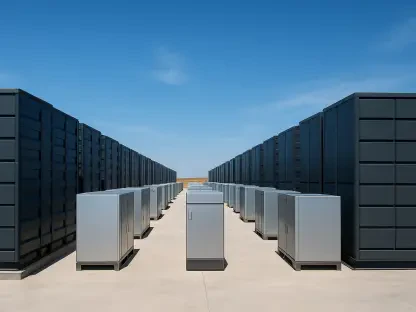
Another disruptive model gaining momentum is the “Bring Your Own Power” (BYOP) mandate. This approach requires large-scale industrial developers to construct their own onsite generation—such as microgrids, energy storage systems, or even small modular reactors—before they can connect to the public grid. Such innovations in self-sufficiency could transform data centers from grid liabilities into independent energy hubs that actually strengthen the overall network during peak periods.
Balancing Technological Progress with Utility Stability
The comprehensive analysis of the regional power market highlighted a critical volatility gap that emerged between digital expansion and physical infrastructure. It was clear that the status quo could not be maintained without risking the fundamental stability of Philadelphia’s energy future. The findings indicated that the rapid acceleration of high-density computing required a corresponding revolution in how power was generated, transmitted, and regulated across the 13-state PJM footprint.
Stakeholders and investors were encouraged to recognize that long-term viability depended on a multi-faceted policy response that prioritized grid resilience. The transition to a more managed growth model became essential to prevent the catastrophic failure of the regional utility system. Ultimately, the survival of the grid rested on the successful integration of onsite power solutions and the enforcement of strict regulatory protections for existing ratepayers.