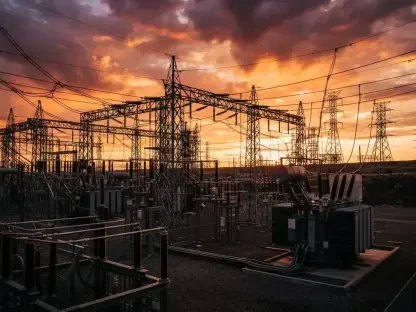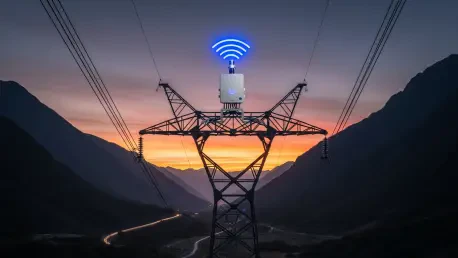

Electrical infrastructure across the globe is currently facing an unprecedented challenge as aging grids struggle to cope with increasingly volatile weather patterns and the constant threat of catastrophic failure. One of the most dangerous scenarios involves a broken conductor that remains energized after hitting the ground, a phenomenon that traditional circuit breakers and protection relays often fail to detect because the resulting current flow does not always trigger a standard fault response. Camber Energy, Inc. has recently made significant strides in commercializing its proprietary Broken Conductor Protection Technology, a specialized grid safety solution designed to identify these exact high-risk conditions. By providing utilities with a tool that fills this critical diagnostic gap, the company is aiming to prevent lethal accidents and ignite a new standard for infrastructure safety. This advancement marks a pivotal shift in how transmission and distribution networks are managed, focusing on proactive de-energization to save lives and property.
Bridging the Gap: The Urgency of Reliable Fault Detection
The primary motivation behind this technology is the urgent need for comprehensive wildfire risk mitigation, as downed power lines are historically a leading cause of catastrophic fires in drought-prone regions. Traditional grid protection systems are generally designed to detect short circuits or overcurrent events, yet they frequently remain blind to “high-impedance” faults where a wire breaks but does not create a massive surge of electricity. This creates a terrifying scenario where a live wire lies on the ground or hangs from a pole, capable of sparking a fire or causing fatal injuries to passersby without the utility ever receiving an automated alert. By integrating this specialized detection technology, utilities can finally address these hidden vulnerabilities, transforming their approach to safety from reactive maintenance to intelligent, real-time prevention. This evolution is essential for maintaining public trust and operational viability in an environment of increasing climate-related hazards.
Bridging the safety gap requires a fundamental change in how sensors and relays interpret the physical state of a conductor, moving beyond simple current thresholds to more nuanced diagnostic signatures. This broken conductor solution allows for the instantaneous identification of open-circuit conditions, enabling the system to de-energize a line the moment a break is detected, often before the conductor even reaches the ground. This capability represents a significant breakthrough in distribution and transmission management, as it removes the delay that often leads to ignition or accidental electrocution. Utilities that have historically struggled with identifying these specific failures now have a dedicated tool to bolster their infrastructure reliability and protect surrounding communities from the inherent dangers of aging overhead lines. As regulatory pressure mounts to eliminate utility-sparked disasters, the adoption of such sophisticated identification systems is becoming a necessary component of modern grid architecture.
Engineering the Next Generation: Mechanical and Algorithmic Precision
At the center of this technological advancement is a suite of proprietary algorithms and an expanding patent portfolio that provides a robust intellectual property foundation for the system. The technology is engineered to integrate seamlessly into existing utility frameworks as an “overlay” solution, meaning that providers do not have to undertake the massive expense of replacing their entire hardware inventory to achieve superior safety levels. This focus on compatibility makes the system a practical and cost-effective choice for modernizing the electrical grid without the logistical nightmares associated with a total infrastructure overhaul. By working within the parameters of current protection relays and industrial controllers, the solution enhances the precision of existing hardware, effectively turning standard equipment into an advanced diagnostic network. This strategic design ensures that even the most conservative utility providers can implement high-level protection without disrupting their established operational workflows or requiring extensive retraining of technical personnel.
Validation is a cornerstone of the development process, with the company utilizing hundreds of thousands of hours of historical utility data to refine its sensing capabilities and reduce the likelihood of false positives. By modeling these real-world events and historical failures, the system can distinguish between a genuine conductor break and routine grid fluctuations, such as those caused by switching operations or temporary load imbalances. This data-driven approach is critical for gaining the confidence of utility engineers who are traditionally hesitant to embrace unproven technologies that might cause unnecessary service outages. The rigorous testing environment simulates a diverse range of environmental conditions and grid configurations, ensuring that the protection logic remains reliable across different geographical terrains and weather patterns. This commitment to technical excellence provides utility companies with the necessary empirical evidence to support the integration of these new safety protocols into their mission-critical infrastructure, paving the way for a more resilient power distribution network.
Strategic Growth: Validation and the Path to Global Adoption
The transition from conceptual design to active field validation has been marked by several pilot initiatives with various North American utilities, providing a final proving ground for the technology’s performance. These ongoing evaluations allow the system to be tested under diverse operational conditions, from high-wind corridors to densely forested areas where the risk of line-related fires is highest. This phase is supported by a clear commercial framework that includes structured licensing arrangements and recurring revenue models, signaling a strategic move toward consistent market expansion and long-term financial stability. By demonstrating the technology’s efficacy in the field, the company is effectively building a portfolio of successful use cases that can be presented to larger regulatory bodies and international utility consortiums. This collaborative approach ensures that the technology is not just a theoretical improvement but a functional tool that meets the rigorous safety and reliability standards required by the modern energy sector.
The company’s leadership, spearheaded by CEO James A. Doris, emphasizes a philosophy of rigorous validation and strategic patience, recognizing that the utility sector prioritizes safety and stability over rapid disruption. To enhance transparency and market awareness, the organization has recently revamped its communication strategy through technical media and professional investor relations, partnering with Renmark Financial Communications. By releasing educational technical videos and detailed engineering briefs, the company is effectively translating complex engineering principles for a broader audience of stakeholders and investors. This shift signals a significant evolution from a research-intensive firm to a technology provider focused on commercial execution and shareholder value. The goal is to provide a practical solution that utilities can verify within their own established safety frameworks before moving toward full-scale deployment across their networks. This transparent approach fosters the trust necessary for wide-scale industry adoption of disruptive safety innovations.
Implementation Lessons: Actionable Strategies for Grid Modernization
Utilities prioritized the integration of these advanced detection systems into their long-term capital improvement plans to ensure public safety and environmental protection. The industry recognized that waiting for a catastrophic event to occur was no longer a sustainable strategy for managing liability and maintaining the integrity of the energy delivery network. By adopting these identification methods, providers established a new baseline for operational excellence and disaster prevention that significantly reduced the frequency of utility-related ignitions. Stakeholders shifted their focus toward verifying the efficacy of these algorithms within diverse geographical regions to confirm consistent performance across the continental grid. This transition allowed for a more resilient infrastructure where the risks of energized downed lines were significantly mitigated through proactive engineering and strategic investment. Ultimately, the successful deployment of these safety tools represented a major step forward in the ongoing mission to modernize the electrical grid for the challenges of the current era.
Beyond grid safety, the company maintained a diverse portfolio of proprietary technologies that addressed medical waste, clean energy, and various industrial markets. This broader corporate mission aligned with global trends that favored proactive safety and the modernization of critical infrastructure across multiple sectors. As regulatory pressure to prevent utility-related disasters increased, the organization positioned itself as a vital component of the smart utility landscape, offering a sophisticated answer to pressing environmental challenges. The leadership pursued strategic licensing arrangements that ensured steady revenue growth while expanding the reach of their safety innovations into international territories. By diversifying their technological offerings, they protected the business from sector-specific downturns and created a robust platform for long-term innovation and engineering excellence. These efforts solidified their reputation as a leader in industrial safety, providing a roadmap for other firms looking to integrate advanced detection systems into legacy hardware environments.