
The sight of internal combustion vehicles dominating Australian highways is rapidly fading into a historical footnote as the nation embraces a radical shift in personal transportation. This transformation signifies the end of a long-standing hesitation toward electric mobility, marking a decisive watershed moment for the country’s automotive industry. Consumer behavior, global politics, and market logistics have finally aligned to disrupt traditional transportation models that have remained unchallenged for nearly a century. By examining the decline of combustion engines alongside the recent surge in battery electric vehicles, it becomes clear that the nation is actively moving away from its historical fossil fuel dependence. The current landscape is no longer defined by speculative pilot programs but by a broad and systemic change that touches every state and territory. This momentum is reshaping the domestic economy and redefining the relationship between drivers and their vehicles in a way that would have seemed impossible just a few short years ago.
Analyzing Market Momentum and Economic Drivers
Part 1: The Statistics of a Shifting Landscape
Recent sales data confirms that electric vehicles have officially reached a critical tipping point in the Australian market during the current calendar year. In the first quarter, sales of traditional gasoline and diesel engines fell by over 11,000 units, marking one of the most significant quarterly declines in history for fossil fuel-powered passenger cars. Simultaneously, full battery and plug-in hybrid sales experienced a massive jump that exceeded even the most optimistic industry forecasts. By mid-year, these electrified vehicles accounted for over 35% of all new car sales across the country, proving that what was once considered a niche interest has now become the primary preference for mainstream buyers. This statistical reality indicates that the era of experimentation is over, replaced by a robust and sustainable demand that is forcing dealerships to prioritize electric inventory over internal combustion alternatives to remain competitive in a fast-moving market.
Part 2: Regional Adoption and Demographic Shifts
Beyond the raw numbers, the demographics of the Australian car buyer are undergoing a profound evolution as adoption spreads beyond urban centers into regional areas. Analysis of regional registration data reveals that rural drivers are increasingly trading in high-consumption diesel trucks for high-torque electric counterparts that offer lower running costs and improved performance. This broadening of the customer base suggests that the initial barriers to entry, such as perceived lack of power or utility, have been effectively dismantled by the latest generation of electric drivetrains. Fleet buyers are also contributing significantly to this momentum, with major logistical companies and government agencies transitioning their inventories to meet new sustainability standards. The resulting synergy between private and commercial sectors has created a stable floor for the market, ensuring that the current growth trajectory is not merely a temporary spike but a permanent structural realignment.
Part 3: Global Pressures and Fuel Security
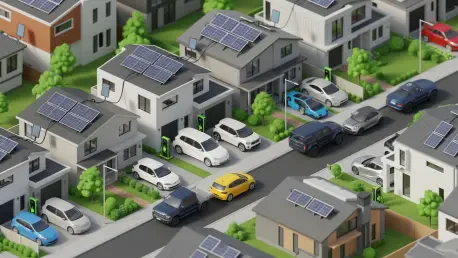
Financial anxiety fueled by ongoing global instability has played a major role in accelerating this transition, particularly as fuel prices remain volatile. Tensions in the Middle East throughout the early months of this year created a legitimate fear of severe fuel shortages and sudden price spikes at the pump, leading many Australian households to reconsider their reliance on gasoline. This geopolitical pressure has acted as a catalyst, pushing those who were on the fence about electrification to make the jump much sooner than they had originally planned. For many, the switch to an electric vehicle is no longer just about environmental stewardship but is increasingly viewed as a necessary strategic move to secure household energy independence. The ability to charge a vehicle at home, potentially powered by residential solar installations, provides a sense of security and predictability that traditional combustion vehicles simply cannot offer in an era of global energy uncertainty.
Part 4: Financial Shifts and Green Lending
This shift is clearly reflected in recent banking and financial services data, which shows a massive surge in electric vehicle-specific loan applications and green financing products. Consumers are increasingly seeking a financial hedge against unpredictable energy costs, and lenders have responded by offering competitive interest rates for zero-emission vehicles. Many Australian banks have reported that their automotive lending portfolios are now dominated by electric and hybrid applications, representing a fundamental change in how the public views the long-term value of vehicle ownership. This financial trend is supported by data suggesting that the total cost of ownership for electric models has finally reached parity with, or even surpassed, that of traditional cars when insurance, maintenance, and fuel are factored in. Consequently, the transition is being driven by a pragmatic assessment of household budgets rather than purely idealistic motivations, making the movement much more resilient.
Market Expansion and Technological Diversity
Part 5: Accessibility and the EV Spectrum
The Australian market has seen a dramatic increase in vehicle choice, with the number of available electric models growing significantly over the course of the current year. More importantly, many of these new options are now priced below the $50,000 mark, making electric mobility accessible to middle-income families for the very first time. This accessibility is a key driver behind the current market surge, as it removes the elitist stigma often associated with early electric models. Families are increasingly weighing the sticker price against the significant reductions in charging costs and the projected future value of these vehicles in the secondary market. As the used electric vehicle market begins to mature, it provides a more comprehensive ecosystem that supports buyers at various stages of their financial journey. Furthermore, the massive influx of international automotive brands has effectively become the backbone of the local electric fleet, offering advanced technology at price points that legacy companies struggle to match.
Part 6: Distinguishing Electrified Technologies
Understanding the different types of electrified technology is essential for modern consumers who are navigating this rapidly evolving and complex market. While the general term for these vehicles is often used broadly, savvy buyers must now distinguish between full battery electric vehicles, standard hybrids, and plug-in hybrids to make informed choices. Industry trends suggest that Australians are increasingly favoring full battery models because they offer the greatest long-term savings and the most significant reduction in carbon emissions. This preference reflects a growing maturity in consumer knowledge, as drivers realize that skipping the hybrid phase altogether can lead to greater mechanical simplicity and lower maintenance costs. The shift toward pure battery power is also being encouraged by the rollout of ultra-fast charging stations that make long-distance travel in a non-hybrid vehicle more feasible. This clarity in consumer preference is helping manufacturers refine their local offerings to better align with the actual needs of the public.
Part 7: Overcoming Range Anxiety and Charging Barriers
Despite the surge in sales, range anxiety remains a significant psychological barrier for many potential buyers who are accustomed to the convenience of the traditional gas station model. While average battery capacity has increased several-fold over the last decade, real-world testing in the Australian climate often shows that actual range can fall short of manufacturer claims under certain conditions. For instance, heavy use of air conditioning during extreme heatwaves or towing heavy loads on regional highways can significantly impact the efficiency of an electric drivetrain. To address these concerns, manufacturers are increasingly focusing on transparent reporting and the integration of sophisticated route-planning software that accounts for elevation and weather. Infrastructure remains a critical bottleneck, particularly for those living in high-density apartments who lack private charging access. Urban planners are now being pressured to integrate curbside charging solutions and upgrade existing electrical grids to handle the higher loads.
Part 8: National Policy and Sustainability Goals
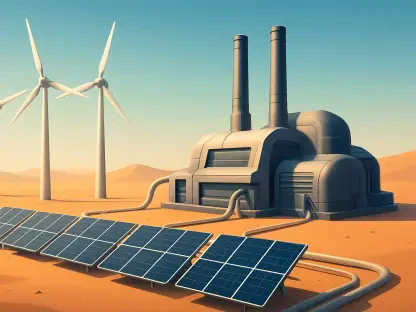
The success of this watershed moment was vital for meeting the nation’s long-term sustainability goals since transport accounted for a huge portion of total emissions. Throughout the year, the coordinated efforts of industry leaders and government agencies helped facilitate a smoother transition than many critics thought possible. Moving forward, stakeholders should prioritize the development of local battery recycling facilities to manage the lifecycle of the growing electric fleet responsibly. Furthermore, the expansion of renewable energy sources will be necessary to ensure that the increased demand for electricity is met with clean power. By addressing these upcoming challenges with the same urgency seen during the peak of the adoption curve, the country solidified its position as a global leader in sustainable mobility. This proactive approach laid the groundwork for a more resilient and environmentally conscious national transportation system. Strategic investments in domestic manufacturing and smart grid technology became the primary focus for the next decade.