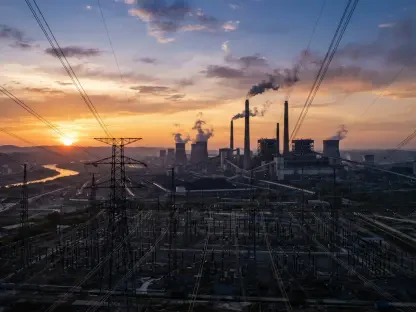

Opposition to data center expansion remarkably bridges the ideological divide, as both the Alarmed and the Dismissive segments report nearly identical levels of resistance. As the digital economy accelerates through 2026, the demand for massive infrastructure to support advanced artificial intelligence has outpaced the social license required for its physical expansion. These facilities, while essential for the cloud-based services and generative algorithms that define modern life, exert immense pressure on local resources, including vast tracts of land, millions of gallons of water for cooling, and a significant portion of the regional power grid capacity. A recent comprehensive study utilizing a specialized framework known as the Six Americas has illuminated how different psychological segments of the population view these trade-offs. By categorizing citizens into groups ranging from the Alarmed and Concerned to the Doubtful and Dismissive, researchers have uncovered a surprising consensus that transcends typical political friction, highlighting a shared concern over the industrial footprint of the tech sector.
Public Resistance: Community Impact and Demographic Variations
Infrastructure Expansion: Concerns Over Land and Resources
The survey findings reveal a significant trend of localized resistance, with a clear majority of Americans expressing opposition to the construction of data centers in their own communities. Only a small fraction of the population supports such development, indicating a widespread perception that these facilities offer few direct benefits to residents. The Alarmed segment shows the highest level of resistance, likely due to the massive carbon footprint associated with high electricity consumption, while the Dismissive and Concerned groups share similar levels of opposition rooted in concerns over property rights and land use. This resistance is often characterized by a protective stance toward local geography, where residents prioritize the preservation of natural landscapes and community character over the abstract benefits of global data processing capabilities. As these centers continue to materialize in suburban fringes, the friction between technological progress and local autonomy becomes increasingly pronounced, leaving little room for compromise.
Beyond the aesthetic and ecological concerns, there is a pervasive sentiment that the industrial scale of data center projects is fundamentally incompatible with residential zoning and long-term community planning goals. Many citizens believe that the presence of these massive, windowless structures serves as a permanent reminder of a digital appetite that consumes resources without offering substantial local employment or recreational opportunities. While the Alarmed may view these facilities through the lens of atmospheric carbon and peak load management, the Dismissive often focus on the potential for eminent domain actions and the infringement of private property values. This convergence of interests suggests that regardless of one’s position on the environmental crisis, the physical reality of a data center is viewed as an intrusion rather than an asset. The lack of visible public utility provided by these complexes exacerbates the feeling that local communities are being utilized as mere hosts for a global industry that operates behind high fences.
Public Sentiment: Navigating Geographic and Knowledge Gaps
While opposition is the prevailing sentiment, the intensity of this feeling fluctuates across the Six Americas in ways that suggest a complex social landscape. The Doubtful and Cautious segments exhibit lower levels of outright hostility compared to the Alarmed, yet they still fail to show strong support for local projects, often adopting a wait-and-see approach. This lack of enthusiasm indicates that the benefits of the AI era have not been effectively communicated to the broader public, leaving a vacuum where skepticism can grow. For developers, this creates a precarious environment where any project can be derailed by a vocal minority of residents. The geographic concentration of these facilities in specific tech hubs only worsens the perception of regional exploitation, where a few counties bear the burden for the entire nation’s digital consumption. Without a more equitable distribution of infrastructure or benefits, the current trend of resistance is expected to harden, making new approvals difficult to secure in any jurisdiction.
The Disengaged represent a unique demographic that remains largely neutral, suggesting that a lack of familiarity with the technical requirements of the AI era prevents them from forming a definitive stance. This group often lacks information regarding how data centers impact the local power grid or water supply, which means their opinion is highly susceptible to the first major narrative they encounter. If the industry fails to provide proactive community engagement, this neutrality could quickly shift toward opposition as local activists fill the information gap with stories of resource depletion. This indicates that data center developers face a difficult path toward gaining public acceptance if they rely on technical jargon instead of meaningful community outreach. Engaging the Disengaged requires a strategy that translates complex infrastructure needs into understandable local impacts. Without this effort, the broad-based resistance seen in other segments will likely swallow the Disengaged, creating a nearly unanimous front against the expansion of the digital backbone.
Financial Burdens: Economic Anxiety and Practical Energy Offsets
Economic Apprehension: Anticipated Costs for Residential Users
A major driver of public apprehension is the economic impact of data centers on the local power grid, with nearly sixty percent of Americans anticipating that such facilities will cause their electricity bills to rise. Only a negligible percentage of the population expects costs to decrease, creating a rare point of cross-spectrum agreement that complicates the narrative of tech-driven prosperity. Regardless of their views on global warming, citizens share a pervasive fear that the energy demands of big tech companies will result in a financial burden shifted onto residential utility customers. This economic anxiety is not unfounded, as the massive power requirements of AI cooling systems often necessitate expensive grid upgrades that are traditionally funded through rate hikes. Residents feel that they are being forced to subsidize the profit margins of multi-billion-dollar corporations while receiving no direct discount on their own energy services. This perception of unfairness is a primary catalyst for the widespread rejection of new facility proposals.
This economic anxiety serves as a unifying factor between groups that are usually ideologically opposed in every other political arena. The expectation of rising costs is highest among the Alarmed and Concerned, but a majority of the Dismissive and Doubtful also anticipate negative financial repercussions from data center expansion. Even the Disengaged, who often lack information on climate policy, express high levels of uncertainty rather than optimism regarding their future utility rates and overall financial security. This collective concern highlights a significant barrier for the industry, as the prospect of subsidizing industrial energy needs is a major deterrent for a public already struggling with inflation and rising living costs. When the discussion shifts from environmental protection to personal financial stability, the resistance becomes much more resilient and difficult to overcome through simple public relations campaigns. To move forward, the industry must address these cost concerns with concrete financial guarantees for local residents.
Community Solutions: Bridging Divides Through Energy Efficiency
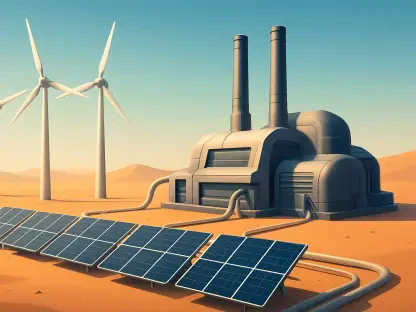
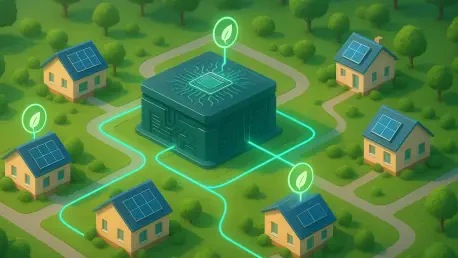
In response to these concerns, a policy proposal known as the community offset has emerged as a potential solution to mitigate the energy impact of data centers. The proposal suggests that developers should be required to fund rooftop solar installations or provide weatherization and insulation services for nearby homes instead of relying on the construction of new power plants. This strategy aims to reduce overall residential demand while increasing clean energy production, effectively balancing the heavy draw of the data centers with tangible local benefits. By focusing on home efficiency, the policy ensures that the energy consumed by a new facility is at least partially offset by savings found in the surrounding neighborhood. This approach shifts the conversation from what the community is losing to what it is gaining in terms of long-term infrastructure resilience. For many, this is the only acceptable trade-off for the massive land use and resource consumption that these industrial projects require to function.
The 2026 survey findings provided a clear roadmap for the technology sector, emphasizing that while Americans remained divided on global warming, they stood united in their defense of economic stability. For policymakers and tech developers, the study indicated that the path forward required addressing local anxieties through transparent communication and direct investment in common infrastructure. By prioritizing energy offsets and household savings, the industry began to manage the expansion of the digital economy in a way that aligned with the broader public interest. These strategic investments transformed the infrastructure of the AI era into a tangible tool for social health, proving that technological growth could be successfully decoupled from community exploitation. Ultimately, the shift toward a collaborative model for energy distribution fostered a new era of trust between big tech and the public. This transition ensured that future progress would be supported by the very citizens it intended to serve, creating a sustainable framework for the ongoing digital revolution.