
The Australian dream of an affordable electric vehicle is currently being fueled by a government subsidy that has become far more popular—and expensive—than anyone anticipated. With petrol prices at the pump regularly clearing the $2.50 per liter mark, thousands of motorists have traded the internal combustion engine for battery power, driven by a tax break that can save a household a small fortune. However, as the projected cost of this program balloons from hundreds of millions to over ten billion dollars, the nation faces a difficult question: can the government afford to keep the electric dream alive, or is the fiscal burden too great to sustain?
The Billion-Dollar Price Tag on Australia’s Green Commute
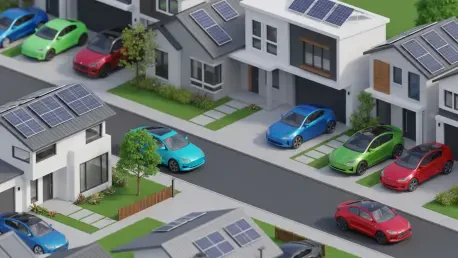
The surge in Australian EV adoption isn’t just a trend; it’s a direct result of the Fringe Benefits Tax (FBT) exemption. Originally a modest proposal to nudge the needle on carbon emissions, the policy coincided with a period of extreme global fuel volatility. This “perfect storm” saw electric vehicles double their market share, now accounting for 15% of all new car sales.
For many Australians, the transition to brands like Tesla and Polestar shifted from an environmental statement to a calculated financial survival strategy against rising inflation. As consumers sought relief from high energy costs, the fiscal impact on the national budget intensified far beyond the initial forecasts.
From Niche to Necessity: The Rise of the Fringe Benefits Tax Exemption
The government’s strategy involves a delicate pivot from total exemption to a more targeted support model. While the full FBT exemption extends to March 2027, the roadmap thereafter signals a significant tightening of the purse strings. Starting in April 2027, the luxury end of the market will lose its edge, as only vehicles priced below $75,000 will retain the full benefit.
This phased reduction is designed to prevent a sudden market crash while addressing the staggering $10.1 billion projected expenditure. The policy will eventually settle into a flat 25% discount across the board by 2029, ensuring that the incentive remains but at a lower fiscal cost to the taxpayer.
Navigating the Fiscal Cliff: Phased Reductions and the $75,000 Cap
The decision to keep the incentives active reflects a broader commitment to shielding households from energy price shocks. Prime Minister Anthony Albanese and Treasurer Jim Chalmers framed the expenditure as a necessary investment in national resilience and environmental targets. By maintaining these subsidies, the government hoped to pressure manufacturers into bringing entry-level EV models to the Australian market.
This strategy acknowledged that while the current fiscal impact is heavy, the long-term cost of failing to modernize the national fleet could be even higher. Officials prioritized the transition to battery power to reduce the country’s reliance on imported liquid fuels.
Political Balancing Acts and the Push for Market Maturity
For Australians looking to capitalize on the policy landscape, timing was everything. To gain the maximum financial advantage, buyers prioritized vehicle deliveries before the April 2027 deadline to lock in the full FBT exemption. Prospective owners focused their search on models that fell well below the $75,000 threshold to ensure they were not hit by the reduced 25% discount structure.
By aligning lease terms with the government’s sunset clauses, drivers effectively bypassed the most significant costs of EV ownership while the window of maximum subsidy remained open. These strategic purchasing decisions allowed families to secure energy independence before the tax landscape shifted.
How Motorists Can Maximize Current Incentives Before the 2027 Shift
Ultimately, early adopters successfully leveraged federal support to mitigate the impact of rising living costs. As the nation moved toward a more restricted fiscal framework, proactive engagement with the tax code provided the most robust protection against future fuel price volatility.
The transition to cleaner transport was facilitated by these temporary measures, which encouraged a shift in consumer behavior. Motorists who acted quickly secured significant savings, ensuring their transition to sustainable mobility was both environmentally sound and financially responsible before the program transitioned into its final, reduced phase.