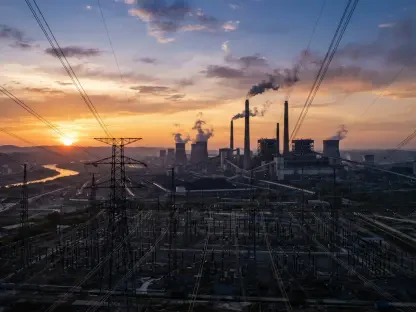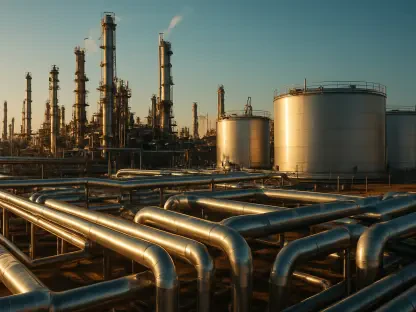

The rapid transformation of the global industrial landscape has propelled Stanmore Resources into a prominent position within the Australian equities market as investors increasingly distinguish between general energy producers and specialized industrial material suppliers. While many mining entities have struggled to reconcile their operations with the accelerating energy transition, Stanmore has carved out a distinct leadership role by focusing exclusively on metallurgical coal, an essential component of the global steel supply chain. This strategic focus separates the company from the volatility of the thermal coal sector, which is increasingly pressured by the rise of renewable energy sources for electricity generation. By contrast, the production of high-quality coking coal remains fundamentally linked to the expansion of urban infrastructure, heavy manufacturing, and the foundational requirements of modern civilization. The recent appreciation in the company’s share price on the Australian Securities Exchange reflects a growing market consensus that Stanmore provides a critical hedge against energy sector uncertainty while offering direct exposure to industrial growth in developing economies. As the world continues to demand more sophisticated building materials for high-rise developments and transportation networks, the company’s specialized output ensures its relevance in a market where quality and reliability are the primary drivers of long-term value and operational stability.
Strategic Asset Concentration: The Bowen Basin Advantage
The operational backbone of Stanmore Resources is centered in the Bowen Basin of Queensland, a region that is globally recognized for containing some of the highest-quality coking coal deposits currently in production. By managing a portfolio that includes the Isaac Plains Mining Complex and the South Walker Creek mine, the company has secured the necessary scale and mineral grade to compete effectively on an international level. These assets are not merely high-volume pits; they represent a geological advantage that allows for the extraction of coal with the specific chemical properties required by modern blast furnaces. The Bowen Basin’s unique coal seams provide a low-ash, high-strength product that is highly sought after by steel manufacturers across the Asian continent. This concentration of assets within a single, high-performing region allows the company to focus its technical expertise and capital investment on a proven resource base, reducing the geological risks often associated with more diversified but lower-quality mining portfolios. Furthermore, the localized nature of these operations enables the company to implement highly efficient onsite management practices that maximize the recovery of premium coal from every ton of material moved.
Proximity to established logistical infrastructure further enhances the value of Stanmore’s Bowen Basin holdings, as the region is deeply integrated into advanced rail and port networks. The ability to efficiently move bulk commodities from the mine site to deep-water ports like Dalrymple Bay or Gladstone is a critical factor in maintaining a competitive cost structure. However, operating in this jurisdiction also requires a sophisticated approach to managing local regulatory landscapes and the specific royalty structures implemented by the Queensland government. Stanmore has demonstrated an ability to balance these fiscal obligations with aggressive production targets, ensuring that the high market value of its specialized coal offsets the costs of operating in a strictly regulated environment. By leveraging existing infrastructure rather than investing in speculative new projects, the company maximizes its capital efficiency while maintaining the agility needed to respond to shifts in global shipping rates. This logistical maturity ensures that the company can reliably fulfill long-term supply contracts even during periods of regional supply chain disruption. Moreover, the integration of these logistical pathways allows for a seamless transition from extraction to international distribution, minimizing the time capital is tied up in transit and inventory.
Market Fundamentals: The Indispensability of Coking Coal
A primary driver of the leadership position held by Stanmore Resources is the fundamental and enduring necessity of its core product within the global economy. Metallurgical coal is an indispensable ingredient in the blast furnace-basic oxygen furnace process, which currently remains the primary method for producing high-strength steel at a global scale. While the energy sector is rapidly moving away from thermal coal in favor of solar, wind, and nuclear power, coking coal is often described by industry experts as a more tenacious commodity due to the lack of cost-effective, large-scale alternatives. Even with the emergence of green hydrogen and electric arc furnace technologies, the sheer volume of steel required for global modernization in 2026 ensures that traditional coking coal remains the cornerstone of the industry. This creates a market environment where Stanmore is insulated from many of the long-term structural headwinds that threaten the viability of power-generating coal. Consequently, the company’s revenue streams are tied more closely to the global construction and manufacturing cycles than to the fluctuating demands of the electricity market, providing a different risk-reward profile for long-term investors.
The demand for high-quality steel remains particularly robust in emerging economies across Asia, where rapid urbanization and infrastructure development are continuing to drive massive consumption of industrial materials. Countries such as India and China have maintained a high baseline of steel production to support the creation of new cities, transportation hubs, and renewable energy infrastructure like wind turbine towers. Stanmore has positioned itself as a key supplier to these industrial centers, capitalizing on the geographic proximity of Australia to major Asian ports. Because the company produces a premium grade of coal that improves the efficiency of the steelmaking process, it often commands a price premium compared to lower-quality substitutes. This demand is not merely a reflection of current construction needs but is also fueled by the ongoing maintenance and upgrading of existing global infrastructure. By focusing on a commodity that is central to the physical construction of the modern world, Stanmore avoids the obsolescence risks that are increasingly associated with fossil fuels used solely for thermal energy. The company’s role as a primary provider to these growth markets ensures that its production remains at the center of the global industrial supply chain for years to come.
Operational Excellence: Execution and Market Value
Beyond its physical assets and favorable market position, the leadership of Stanmore Resources is defined by its consistent ability to execute complex mining operations with high precision. In the resource sector, the primary concern for institutional investors is execution risk, or the possibility that a company will fail to meet its stated production and cost targets. Stanmore has built significant credibility by consistently meeting its guidance and maintaining a transparent communication style with the market, which has resulted in a more stable and resilient valuation compared to many of its peers. The management team has shown a unique aptitude for integrating newly acquired assets, such as those formerly owned by BHP, and optimizing them to improve throughput and reduce overhead. This operational discipline is critical in a sector where unexpected geological challenges or equipment failures can quickly erode profit margins. By prioritizing maintenance and site safety, the company ensures that its mines operate at peak capacity during periods of high commodity pricing, allowing it to capture maximum value from market upswings.
The sensitivity of the company’s stock price to broader macroeconomic trends highlights the important role that external factors play in defining its market standing. Fluctuations in currency exchange rates, particularly the relationship between the Australian and U.S. dollars, can have a direct impact on the profitability of coal exports. Additionally, positive industrial data from major steel-consuming nations often triggers a rapid inflow of capital into Stanmore’s shares, as investors look for efficient ways to gain exposure to global industrial growth. To mitigate the impact of these external variables, the company focuses on maintaining a low position on the industry cost curve, ensuring that it remains profitable even when global commodity prices soften. This focus on cost efficiency provides a safety margin that protects the company during cyclical downturns, making it a more attractive option for risk-averse investors. The ability to generate strong cash flow across different market conditions allows the company to reinvest in its existing operations while also exploring strategic opportunities for future expansion. This balance between operational rigor and financial flexibility has been a key factor in its rise to the top of the metallurgical coal sector.
Strategic Risk Management: Future Directions and Solutions
Industry analysts identified that maintaining a lean operational structure served as the most effective defense against the periodic market downturns that historically characterized the resources sector. Stakeholders emphasized the integration of automated monitoring systems to enhance safety protocols and optimize resource recovery rates across all active mining pits. The management team prioritized the acquisition of adjacent tenements, which allowed for the expansion of existing mine lives without requiring the massive capital outlays typically associated with new infrastructure projects. Furthermore, the company established a robust framework for environmental mitigation that addressed local biodiversity concerns while satisfying the increasingly stringent reporting requirements of international financial institutions. By focusing on high-margin coking coal products, the organization successfully insulated its core revenue streams from the broader divestment trends seen in the thermal energy sector. Investors eventually recognized that the path to sustainable growth involved a rigorous adherence to cost-discipline and a proactive engagement with emerging steel production technologies. These initiatives provided a definitive blueprint for other resource firms looking to navigate the complexities of a transitioning global economy while still delivering significant industrial value.
The transition toward a more sustainable industrial future involved a multifaceted approach where Stanmore Resources implemented carbon-offset programs and explored the potential for solar-powered site operations. Analysts observed that the company’s ability to adapt to changing environmental, social, and governance standards was a key factor in maintaining its access to institutional capital. Management conducted comprehensive reviews of the global steel market, concluding that high-grade coking coal would remain a bridge fuel for several decades before alternative technologies reached maturity. This long-term perspective allowed the company to secure favorable financing terms for its expansion projects, as lenders viewed the organization as a responsible and forward-thinking operator. Additionally, the company fostered strong relationships with local communities and indigenous groups, which minimized the risk of project delays and enhanced its social license to operate. By investing in the professional development of its workforce, the firm ensured that it possessed the technical expertise necessary to deploy next-generation mining equipment. Ultimately, these strategic considerations positioned the company not just as a miner, but as a critical partner in the global effort to build the infrastructure of the twenty-first century in an efficient and responsible manner.