
The deep, dark shafts of the Turkish coal mining industry represent a paradox of modern industrial development, where essential energy production often comes at an unacceptably high human cost despite decades of global safety advancements. For over a generation, the nation has grappled with a legacy of underground tragedies that seem to defy the logic of technological progress and international labor standards. While other nations have successfully transitioned to highly automated, low-fatality extraction models, the Turkish sector remains stubbornly tethered to high-risk environments and systemic vulnerabilities. This persistent danger is not merely a byproduct of geology or the inherent risks of working underground; it is the result of a complex interplay between economic pressure, regulatory oversight, and an evolving safety culture that has seen both significant victories and crushing setbacks. By examining the trajectory of the industry since the pivotal events of the mid-2010s, it becomes clear that the path to zero-harm is obstructed by deeply ingrained structural issues. The urgency of addressing these failures has never been greater, as the gap between domestic safety performance and international benchmarks continues to widen, leaving thousands of workers exposed to risks that are largely preventable in the modern era of mining engineering.
Analytical Foundations and Historical Trends
Statistical Framework: Mapping Progress and Setbacks
To accurately diagnose the root causes of Turkish mining fatalities, researchers and policymakers rely on a rigorous analytical framework based on the European Statistics on Accidents at Work methodology. This structured approach, which draws heavily on data from the Turkish Social Security Institution, allows for a granular examination of tens of thousands of individual accident records across various mining basins. By categorizing incidents according to their severity, cause, and frequency, analysts can move beyond simple headcounts and begin to identify the specific mechanical or procedural failures that lead to loss of life. This data-driven strategy is essential for distinguishing between isolated human errors and broader systemic trends that indicate a decline in safety oversight. The use of such sophisticated statistical tools provides a necessary level of transparency, ensuring that safety reforms are evaluated on their actual impact rather than political rhetoric. Without this objective lens, the industry would remain trapped in a cycle of reactive measures that fail to address the underlying risks inherent in the country’s unique geological and industrial landscape.
The period between 2015 and 2020 served as a critical benchmark for what the industry can achieve when safety is placed at the forefront of national policy. Following the immediate aftermath of major industrial disasters, the sector experienced a consistent and statistically significant decline in workplace accidents, with some regions reporting a reduction in incidents of nearly fifty percent. This window of improvement demonstrated that increased regulatory pressure, combined with more frequent and stringent inspections, could effectively curtail the frequency of common injuries and fatalities. During these years, many mining operations invested in basic safety upgrades and enhanced training programs, suggesting that the industry was finally moving toward a more sustainable and humane model of operation. However, the success of this period also highlighted a dangerous complacency that can set in once the immediate public outcry over a disaster fades. The progress made in the late 2010s proved that the high fatality rate is not an inevitable characteristic of Turkish mining, but rather a variable that can be controlled through persistent and well-funded safety initiatives.
The Recent Collapse: Unpacking the Current Safety Crisis
The hard-won gains of the previous decade have unfortunately faced a severe reversal in recent years, as the safety environment in many mines has begun to deteriorate once again. By the middle of the current decade, accident rates surged back to levels not seen in years, signaling a potential breakdown in the enforcement of the very protocols that had previously been so successful. This resurgence of danger was punctuated by high-profile events like the 2022 Amasra explosion, which served as a grim reminder that the threat of catastrophic, multi-fatality accidents remains a constant reality for many miners. The data from 2023 and 2024 shows a troubling trend where the frequency of accidents has outpaced the growth of the workforce, suggesting that production quotas may once again be taking precedence over worker protection. This regression is a major concern for labor advocates and international observers, as it indicates that the structural reforms implemented after 2014 may have been superficial or lacked the long-term institutional support required to maintain safety in a fluctuating economic environment.
A particularly concerning phenomenon identified by safety experts is the lethality paradox, which describes a situation where a mine may successfully reduce minor injuries while remaining highly vulnerable to catastrophic failures. Traditional safety management systems often focus on high-frequency, low-severity events, such as trips or minor equipment malfunctions, assuming that a reduction in these incidents will naturally lead to fewer fatalities. However, the evidence from Turkish coal mines suggests that the factors leading to mass-casualty events, such as methane gas explosions or major roof collapses, are fundamentally different from those causing everyday injuries. Consequently, a mine can appear to be improving its safety record on paper while still sitting on a powder keg of unresolved structural risks. This disconnect necessitates a dual-track approach to safety management that treats disaster prevention as a distinct discipline from general occupational health. Addressing this paradox is vital for ensuring that the industry does not fall into a false sense of security based on misleading statistics that fail to capture the potential for large-scale loss of life.
Comparing Turkey to the Global Standard
Health Trends: The Invisible Burden of Mining
While much of the public focus remains on high-profile accidents and explosions, the long-term health of the mining workforce represents a quieter but equally significant crisis. Over the last ten years, official records in Turkey have shown a steady decline in the number of reported occupational diseases, which at first glance might seem like a positive indicator of improved air quality and better protective equipment. However, medical experts and labor unions argue that these figures are likely misleading and do not reflect the true physiological toll of underground coal extraction. The discrepancy often stems from a lack of proactive diagnostic screening and a failure to accurately track respiratory illnesses like pneumoconiosis, which can take years or even decades to manifest. Without a robust and transparent reporting system that tracks miners after they leave the workforce, the true burden of coal-related disease remains hidden. This invisible health crisis is a critical component of the overall safety landscape, as a workforce weakened by chronic illness is inherently more susceptible to accidents and has a diminished capacity to respond effectively in emergency situations.
When Turkish mining safety statistics are compared to those of the United States or the European Union, the results are startling and underscore a massive gap in worker protection standards. Current data indicates that a coal miner in Turkey is significantly more likely to die on the job than their counterpart in a developed economy, with mean fatality rates reaching up to twenty times higher than those seen in the American mining sector. This stark difference cannot be attributed to geology alone, as many international mines operate in deeper and more complex coal seams than those found in Turkey. Instead, the gap points to a fundamental difference in how safety is integrated into the business model of coal extraction. In the U.S. and EU, safety is often treated as a core operational requirement with severe financial and legal consequences for non-compliance, whereas in Turkey, it is frequently viewed as a secondary concern that can be negotiated in favor of production targets. Bridging this international divide requires more than just better technology; it demands a wholesale shift in the regulatory and ethical framework that governs the entire Turkish energy sector.
International Safety Gaps: Lessons from Global Peers
The disparity in safety performance between Turkey and global leaders is deeply rooted in the lack of an independent and powerful regulatory body that can operate without political or economic interference. In many developed nations, mining inspectors have the unilateral authority to shut down operations immediately upon discovering a life-threatening violation, a power that is often constrained in the Turkish context by the pressure to meet national energy demands. Furthermore, the relationship between state-owned mining enterprises and the regulatory agencies responsible for oversight can sometimes be too close, leading to a culture of leniency rather than strict accountability. This lack of clear separation between the regulator and the regulated creates an environment where safety protocols are seen as suggestions rather than absolute requirements. To close the safety gap, Turkey must move toward a model where the protection of human life is legally and practically prioritized over the continuity of coal production, ensuring that no mine is allowed to operate if it cannot guarantee the safety of its workers.
Moreover, the difference in safety outcomes is also a reflection of the differing levels of investment in long-term infrastructure versus short-term gains. In high-performing mining sectors abroad, the integration of advanced safety technology is viewed as a way to protect the company’s most valuable assets and ensure long-term profitability. In contrast, many Turkish mines continue to rely on older, more labor-intensive methods that expose workers to unnecessary risks. This reliance on legacy systems is often justified by the lower initial capital costs, but it fails to account for the massive economic and social costs associated with mining disasters. The global standard for safety is moving toward a highly digitized and remote-controlled environment where the number of personnel required at the coal face is minimized. By failing to keep pace with these technological shifts, the Turkish industry remains locked in a high-risk operational model that is increasingly out of step with the rest of the modernized world. Adopting these international best practices is not just a matter of technical compliance; it is a necessary step toward the moral modernization of the industry.
Identifying and Solving Systemic Failures
Infrastructure Deficiencies: Addressing Methane and Ventilation
The primary driver behind the most devastating accidents in Turkish history is the failure to maintain adequate ventilation and effective gas monitoring systems in underground environments. Many fatal incidents, including those in recent years, have been traced back to the accumulation of methane gas in poorly ventilated areas known as dead zones, where air circulation is insufficient to dilute explosive mixtures. These zones often exist because of outdated mine layouts or the failure to adjust ventilation systems as the mining face moves deeper into the earth. Current standards in high-safety jurisdictions require real-time, integrated monitoring systems that are directly linked to the mine’s power supply, allowing for an automatic shut-off the moment gas levels exceed a predetermined threshold. In many Turkish mines, however, gas detection is still largely dependent on handheld devices or sensors that are not integrated into a centralized SCADA system, leaving too much room for human error or intentional bypass. Upgrading this infrastructure is the single most effective way to prevent the mass-casualty explosions that have plagued the industry for decades.
Beyond the technical aspects of ventilation, there is a critical need for greater transparency and independence in the safety audit process to ensure that infrastructure is truly up to code. Currently, there is often a perceived conflict of interest where safety officers are employed directly by the mine owners, making it difficult for them to report serious violations without fearing for their job security. This internal pressure can lead to the falsification of gas logs or the overlooking of critical maintenance needs in favor of keeping the coal moving. To rectify this, safety oversight must be transferred to independent third-party organizations that have no financial stake in the mine’s production levels. These organizations should be empowered to conduct unannounced inspections and have full access to real-time digital monitoring data, providing an extra layer of defense against the systemic negligence that often precedes a major disaster. By creating a rigorous and honest reporting environment, the industry can begin to address the infrastructure flaws that have been ignored for far too long, finally providing miners with the safe working conditions they deserve.
Modernizing the Mine: Technological and Educational Reform
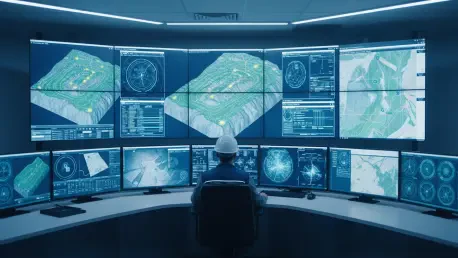
The rapid advancement of digital technology offers a transformative opportunity for the Turkish mining sector to break its cycle of high fatality rates through the adoption of automated safety systems. The integration of digital twins and Internet of Things sensors allows mine operators to create a real-time, three-dimensional map of the underground environment, tracking everything from air quality to the structural integrity of the roof. These technologies enable proactive risk management, allowing engineers to identify potential hazards before they reach a critical state. For instance, sensors that detect micro-vibrations in the rock can provide early warning of an impending roof collapse, giving workers valuable time to evacuate. Furthermore, the use of automated machinery and remote-controlled extraction units can significantly reduce the number of people required to work in the most dangerous parts of the mine. While the initial investment in these technologies is substantial, the long-term benefits in terms of lives saved and improved operational efficiency far outweigh the costs, making modernization a moral and economic imperative.
Alongside technological upgrades, a fundamental shift in worker education and safety culture is required to ensure that safety protocols are followed consistently on the ground. Traditional classroom-based training has proven insufficient for preparing miners to handle the high-stress, rapidly changing conditions of an underground emergency. To address this, the industry must transition to mandatory, simulation-based training that uses virtual reality and physical mock-ups to drill miners on specific emergency scenarios, such as methane outbursts or fire suppression. These simulations allow workers to build the muscle memory and decision-making skills necessary to respond effectively when every second counts. Furthermore, safety education must extend to the management level, emphasizing that safety is a shared responsibility rather than a bureaucratic hurdle. By fostering a culture where every worker feels empowered to stop production if they sense danger, the industry can create a decentralized safety network that is far more effective than top-down mandates alone. This holistic approach to education and technology represents the only viable path toward achieving a sustainable and zero-fatality future for Turkish coal mining.
The Turkish coal mining industry reached a critical juncture in its history where the persistent high fatality rates demanded a departure from traditional, reactive safety management. Historical data indicated that temporary improvements were often followed by periods of regression, suggesting that the reforms of the past decade lacked the depth required for long-term stability. Efforts to align domestic standards with international benchmarks faced significant hurdles, particularly regarding the independence of regulatory bodies and the integration of modern monitoring technologies. Experts emphasized that the lethality paradox required a specialized focus on preventing catastrophic events like gas explosions, which continued to occur despite reductions in minor workplace injuries. The gap between Turkey and global safety leaders highlighted a clear need for systemic changes that prioritized the lives of workers over production quotas. Moving forward, the industry turned toward automated gas cut-off systems and simulation-based training as essential tools for creating a more resilient safety culture. These actionable steps, supported by a more transparent and independent oversight framework, provided the foundation for a shift toward a zero-harm operational model. By addressing both the infrastructure deficiencies and the educational gaps, the sector aimed to honor those lost in previous disasters through a genuine and sustained commitment to industrial safety.