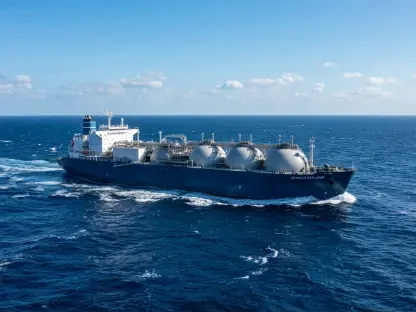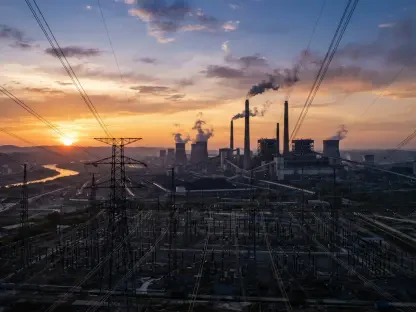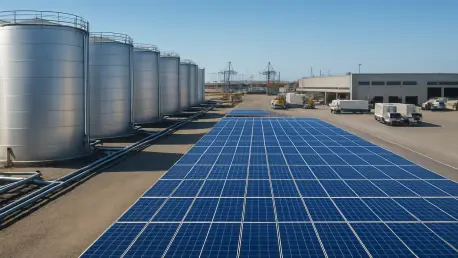

While global food prices surge due to climate-driven crop failures, the world’s leading fossil fuel corporations have reported record-breaking quarterly profits exceeding ninety billion dollars. This staggering disconnect highlights a global system where ecological collapse and massive corporate wealth exist as two sides of the same coin. The current geopolitical landscape is defined by a military-industrial-fossil fuel complex that views climate change not as a shared human crisis but as a strategic variable in the pursuit of resource dominance. By maintaining a vast global presence to secure energy trade routes and oil reserves, military power functions as the ultimate guarantor of a carbon-dependent economy. This alignment of interests ensures that the transition to renewable energy is perpetually delayed in favor of protecting legacy infrastructure. Consequently, the global working class finds itself trapped between the rising costs of basic necessities and the environmental fallout of a defense policy that prioritizes fossil fuel security over planetary health.
The Ecological Consequences of Strategic Conflict
The Atmospheric Cost: Emissions from Modern Warfare
Military operations in modern conflict zones have evolved into a significant driver of what environmental experts term ecocide, characterized by the deliberate destruction of natural resources. Recent strikes on energy infrastructure across volatile regions have released massive quantities of carbon dioxide into the atmosphere within mere weeks, amounts that often exceed the total annual emissions of entire mid-sized nations. These actions create an atmospheric legacy that persists long after the immediate tactical objectives are achieved. Beyond the direct carbon output of explosions and fires, the logistical machinery required to sustain high-intensity warfare consumes millions of barrels of oil daily, further accelerating the warming of the planet. This cycle of destruction represents a profound threat to international climate goals, as military aggression essentially cancels out the carbon reductions achieved by civilian sectors. The environmental cost of maintaining global hegemony through force has become an unsustainable burden on the biosphere.
Agricultural Fragility: The Impact on Global Food Supplies
The weaponization of the environment extends deep into the global food system, where the systematic targeting of agricultural land and water resources has become a standard tactic of modern warfare. In several regions, the poisoning of the soil through heavy metal contamination and the destruction of critical greenhouses have crippled local production for generations. These localized disasters trigger global ripple effects, as extreme weather patterns exacerbated by military-driven emissions lead to plummeting yields in distant breadbaskets. As staples such as potatoes and tomatoes become increasingly scarce, the phenomenon of the “super El Niño” has pushed tens of millions of people into acute hunger. The intersection of military activity and climate change creates a feedback loop where resource scarcity fuels further conflict, which in turn leads to more environmental degradation. This dynamic proves that the defense of fossil fuel interests is fundamentally incompatible with the maintenance of a stable food supply, as the machinery of war destroys the land required to feed the population.
Institutional Barriers to Environmental Accountability
Economic Incentives: Profits from Geopolitical Instability
While the broader population grapples with the financial strain of environmental breakdown, the fossil fuel industry has found a way to capitalize on the resulting geopolitical instability. Major oil corporations have reported record-breaking profits by leveraging the price spikes and supply disruptions caused by international conflicts. This creates a perverse incentive for the existing energy system to support aggressive foreign policies, as military power acts as a global enforcer to secure oil reserves and transit corridors. The concentration of energy wealth in the hands of a few elite entities is facilitated by a defense strategy that prioritizes the uninterrupted flow of hydrocarbons over the development of sustainable alternatives. Public taxpayers effectively subsidize these corporate gains, funding the military presence required to protect private energy assets while simultaneously paying higher costs for heating and transportation. This nexus of corporate profit and military force ensures that the global economy remains tethered to a destructive energy paradigm.
Transparency Gaps: The Kyoto Reporting Loopholes
A significant barrier to meaningful climate action is the lack of institutional accountability regarding the massive carbon footprint of defense departments. The U.S. military remains the world’s largest institutional emitter of greenhouse gases, yet it continues to benefit from significant reporting loopholes established during international negotiations like the 1997 Kyoto Protocol. By successfully lobbying for exemptions from mandatory emissions reporting, the military-industrial complex has maintained a systemic blind spot that undermines the integrity of global climate treaties. Without a full and transparent accounting of the emissions required to sustain global military power, international negotiations are essentially operating with incomplete data. This lack of transparency allows major powers to present themselves as climate leaders while simultaneously expanding the carbon-intensive infrastructure of their armed forces. Closing these reporting gaps is a necessary step toward holding the most powerful institutions responsible for their role in the climate crisis.
Strategic Integration: Peace and Environmental Policy
The movement for environmental justice and anti-militarism finally coalesced into a powerful coalition of trade unions and climate activists who demanded a fundamental shift in foreign policy. These groups recognized that ecological recovery remained impossible without a pivot away from the military protection of oil interests. They advocated for a unified strategy where the cessation of military strikes was linked directly to the goals of energy security and food stability. By prioritizing peace and sustainable development, the movement challenged the notion that global security required the dominance of carbon resources. Practical steps were taken to dismantle the reporting loopholes that shielded military emissions, and new frameworks for international cooperation focused on the restoration of ecosystems. This shift prioritized the needs of the global working class, ensuring that the transition to a green economy provided actual relief from high energy bills. The path forward required an understanding that planetary survival depended on a foreign policy that finally valued the health of the earth.