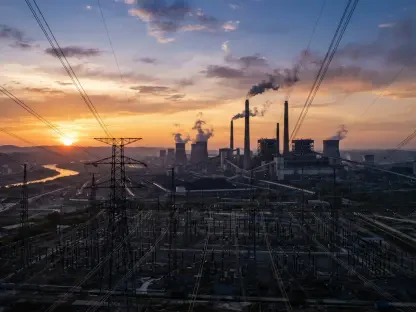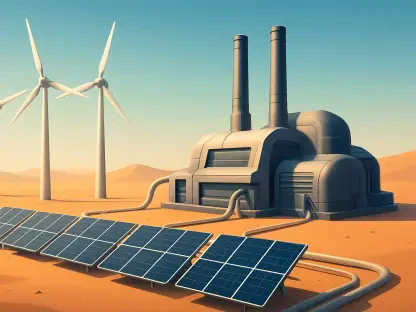

The global energy sector currently stands at a critical crossroads where the financial mechanisms designed to combat climate change are finally colliding with the engineering realities of a power-hungry world. As nations scramble to meet stringent decarbonization targets, carbon markets have emerged as the primary tool for assigning a tangible monetary value to avoided emissions, yet these frameworks remain surprisingly selective. While wind and solar projects have flourished under these incentives, nuclear power—a proven source of high-capacity, carbon-free electricity—continues to find itself largely sidelined by the very systems meant to foster a green transition. This exclusion creates a significant disconnect between stated environmental objectives and the practical tools deployed to achieve them, as the market prioritizes specific technologies over actual atmospheric outcomes. Modernizing these credit systems to include nuclear energy would represent a fundamental shift toward technology neutrality, ensuring that every ton of carbon avoided is treated with equal financial weight regardless of its origin.
Economic Viability: Strengthening Project Bankability Part 1
Integrating nuclear energy into global carbon markets offers a practical solution to the persistent challenge of project bankability within the heavy infrastructure sector. Large-scale nuclear facilities often face daunting upfront capital requirements and extended construction timelines, which can deter private investors who are sensitive to long-term financial risks. By allowing these projects to generate carbon credits, developers can secure a secondary, performance-based revenue stream that begins as soon as the plant starts displacing fossil-fuel-based generation. This added financial layer serves as a crucial de-risking mechanism, making nuclear assets far more attractive to institutional investors and international development banks. In the current economic climate, the ability to monetize carbon avoidance provides the necessary stability to bridge the gap between initial investment and long-term operation. This approach is particularly vital for projects in emerging economies where the cost of capital remains high and energy demand is growing.
Economic Viability: Strengthening Project Bankability Part 2
The traditional focus of carbon markets has often been limited to renewable additions, yet the concept of avoided emissions offers a much more accurate metric for evaluating the impact of nuclear power on the grid. When a Small Modular Reactor or a traditional large-scale plant comes online, it directly replaces high-carbon sources like coal-fired power stations or diesel generators, resulting in a measurable and massive reduction in carbon dioxide output. Quantifying these displaced tons allows the market to recognize the physical reality of how energy systems function, rather than relying on ideological preferences for certain types of power generation. By treating nuclear power as a generator of high-quality carbon credits, the industry can incentivize the replacement of the world’s most polluting assets with reliable, low-carbon alternatives. This transition is not merely about adding new capacity but about strategically removing carbon-intensive baseline power from the global energy mix.
Regulatory Evolution: Modernizing Standards and Trade Part 1
To achieve a truly integrated global carbon market, influential standards-setting bodies like Verra and the Gold Standard must re-examine their long-standing exclusion policies regarding nuclear energy. These organizations have historically operated under frameworks that reflected past political hesitations rather than contemporary scientific consensus or the immediate needs of the climate crisis. Reforming these standards does not require a complete overhaul of existing methodologies; instead, the rigorous monitoring, reporting, and verification protocols already applied to other clean technologies can be adapted to the nuclear sector. By establishing clear baselines and additionality criteria specifically for nuclear projects, these bodies can provide the transparency and trust that corporate buyers and sovereign states require. Such a shift would signal to the global market that the criteria for carbon credits are based on objective emission reductions rather than technological favoritism.
Regulatory Evolution: Modernizing Standards and Trade Part 2
The emergence of bilateral trade agreements represents another significant avenue for incorporating nuclear energy into the international carbon accounting framework. Technology-exporting nations are increasingly looking at models where they provide advanced nuclear hardware and expertise to partner countries in exchange for the carbon credits generated by those facilities. For example, Japan has been a pioneer in exploring such arrangements, seeking to support industrial growth in emerging markets while helping those nations avoid the carbon-intensive path of traditional industrialization. This creates a mutually beneficial cycle: developing nations gain access to stable, high-capacity power to fuel their economic expansion, while the investing country receives valuable credits to help meet its own domestic climate commitments. These agreements facilitate the transfer of sophisticated technology while providing a clear financial pathway for deployment in regions that might otherwise struggle to afford it.
System Resilience: Grid Stability and Industrial Growth Part 1
As the world experiences an unprecedented surge in electricity demand driven by industrial automation and data center expansion, the necessity for firm carbon-free power has reached a critical point. Unlike intermittent energy sources that require expensive, large-scale battery storage or backup gas plants to maintain grid frequency, nuclear energy provides a constant and reliable baseline. Pricing this reliability through the lens of carbon credits would acknowledge the unique environmental value of a power source that can run twenty-four hours a day without emitting greenhouse gases. This stability is essential for supporting heavy industries, such as steel and chemical manufacturing, which cannot afford the volatility associated with purely weather-dependent energy systems. By integrating nuclear power into the carbon credit landscape, the global community can support a more resilient and durable energy transition that does not sacrifice grid security for emission reductions.
System Resilience: Grid Stability and Industrial Growth Part 2
The path forward necessitated a fundamental recalibration of how the global financial community valued diverse low-carbon technologies within the carbon market. Stakeholders realized that excluding nuclear power hindered the very progress these markets were intended to accelerate, leading to a renewed focus on technology-neutral policies that prioritized measurable climate impact. By adopting standardized verification methods and fostering bilateral technology transfers, the industry successfully lowered the barriers to entry for advanced nuclear projects. This evolution allowed for a more holistic approach to decarbonization, where firm power and intermittent renewables worked in tandem to stabilize the grid and reduce overall atmospheric carbon levels. Looking ahead, the focus shifted toward expanding these frameworks to include heat production and hydrogen generation from nuclear sources, further diversifying the types of credits available for international trade.