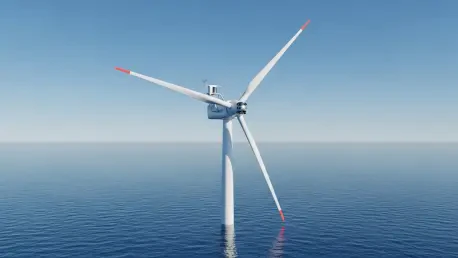

The expansion of renewable energy across the North Sea has long encountered a significant hurdle in the form of environmental preservation, specifically regarding the impact of massive spinning blades on local and migratory avian populations. As the global demand for carbon-neutral electricity intensifies, the Netherlands has taken a decisive step toward resolving this tension by deploying its first offshore wind turbine specifically designed with integrated bird-protection systems. This milestone represents more than just a mechanical upgrade; it signifies a fundamental shift in how marine energy infrastructure interacts with the natural world. By merging high-resolution radar technology with real-time automated response mechanisms, the Dutch government and its private sector partners are demonstrating that ecological stewardship and industrial growth are no longer mutually exclusive. This project serves as a crucial pilot for future developments scheduled through 2028, marking a new phase where biodiversity receives the same priority as production.
Integrating Advanced Detection Systems
The core of this bird-friendly innovation lies in a sophisticated suite of sensors and artificial intelligence algorithms that provide the turbine with a heightened sense of environmental awareness. Unlike traditional wind turbines that operate based solely on wind speed and grid requirements, this newly installed unit features a 360-degree detection radius capable of identifying bird flight patterns from several kilometers away. When the system detects an incoming flock or a protected species approaching the rotor blades, it initiates a rapid deceleration process to minimize the risk of collision. This capability is made possible through the integration of thermal imaging cameras and specialized acoustic monitors that can differentiate between species even during low visibility. Such precision ensures that the turbine only reduces power output when a genuine threat to wildlife exists, thereby maintaining operational efficiency while fulfilling environmental protection mandates adopted across European maritime zones.
Beyond the immediate physical response of the turbine, the installation acts as a continuous data collection hub that provides scientists with unprecedented insights into offshore migratory behavior. Sensors embedded within the nacelle and along the tower structure record every interaction, allowing researchers to refine the predictive models used for future wind farm layouts. This wealth of information is vital for the development of adaptive management strategies, where turbine operations are fine-tuned based on seasonal migration peaks or local weather conditions. By sharing this data with environmental agencies and other energy developers, the Dutch project is establishing a standardized framework for biodiversity-conscious energy production. The collaborative nature of this initiative ensures that the lessons learned from this single turbine can be scaled rapidly across larger arrays. This proactive approach to data transparency helps to alleviate public concerns regarding the cost of green energy.
Transforming Maritime Energy Policy
The successful deployment of this technology signals a significant evolution in maritime energy policy, as regulators increasingly require developers to prove their projects will not cause irreversible damage to marine ecosystems. From 2026 to 2030, the criteria for awarding offshore wind tenders are expected to become much more rigorous, with biodiversity mitigation measures shifting from optional features to mandatory requirements. This shift is driving a wave of innovation within the engineering sector, as companies compete to design turbines that are not only more powerful but also more harmonious with their surroundings. The Dutch model proves that it is feasible to meet ambitious climate targets without sacrificing the integrity of the natural environment, providing a blueprint for other nations with extensive coastlines. As more countries look to the North Sea as a powerhouse for renewable energy, the emphasis on bird-friendly designs will likely become a cornerstone of international development agreements, ensuring sustainability.
The installation of this bird-friendly turbine effectively solved a long-standing dilemma by proving that sophisticated technological interventions could mitigate the ecological drawbacks of wind energy. Industry leaders recognized that the path forward required a commitment to integrating environmental sensors into the initial design phase of offshore projects rather than treating them as afterthoughts. Stakeholders prioritized the establishment of clear regulatory standards that incentivized the adoption of automated shutdown systems across all new wind farms. This transition encouraged a more holistic view of energy infrastructure, where the health of the local fauna was considered a primary metric of success alongside financial returns. Decision-makers implemented comprehensive training programs for engineers to master these avian-safe technologies. By embracing these specific operational protocols, the offshore wind sector ensured that upcoming expansion projects maintained the highest possible standards for environmental protection and long-term sustainability.