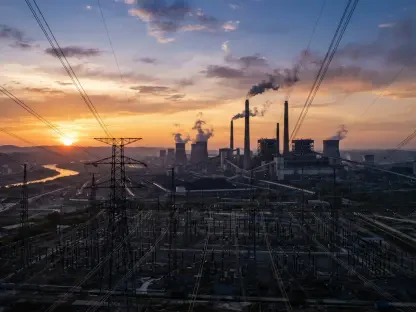

The global transition toward renewable energy sources has forced Southeast Asian nations to reconsider their reliance on traditional fossil fuels to meet growing domestic consumption and environmental targets. Malaysia’s decision to implement the B15 biodiesel mandate across its entire transport sector represents a pivotal shift in the regional energy matrix and a calculated response to fluctuating crude oil prices. This policy requires a blend consisting of 15 percent palm methyl ester and 85 percent petroleum diesel, effectively replacing the previous lower-percentage standards that were once restricted to specific regions. By standardizing this requirement, the government aims to reduce the country’s carbon footprint while providing a reliable domestic market for its palm oil production. This initiative addresses the necessity of energy security by decreasing the volume of imported petroleum, a strategy projected to stabilize fuel costs from 2026 to 2030. The rollout involves a massive coordination effort to ensure stations are equipped for the fuel.
Integrating Biofuel Standards with Industrial Growth
Beyond the immediate environmental benefits, the expansion of the biodiesel mandate serves as a critical economic lever for the domestic agricultural sector and manufacturing landscape. Large-scale refineries have undergone significant technological upgrades to maintain the high purity levels of palm methyl ester necessary for modern diesel engines. These facilities now utilize advanced filtration and distillation processes to ensure that the chemical stability of the B15 blend meets international automotive standards, thereby preventing engine deposits or fuel filter clogging. The economic impact is particularly felt within the smallholder community, where increased demand for palm oil feedstock provides a buffer against the price volatility of the international commodities market. Furthermore, this transition prompted a collaborative effort between the Ministry of Plantation and Commodities and vehicle manufacturers to validate engine warranties. This proactive engagement ensured that transport companies transitioned to B15 without fear of mechanical degradation.
Advancing Sustainable Logistics and Infrastructure
The successful deployment of this fuel standard relied heavily on the modernization of terminal storage tanks and the modification of underground piping systems at retail outlets. Logistics providers prioritized the installation of specialized blending systems that precisely metered the palm oil component into the diesel stream, ensuring consistency across the distribution network. Moving forward, the focus shifted toward the implementation of real-time monitoring sensors that tracked fuel quality and moisture levels within the supply chain. These technological investments simplified the transition for heavy industry and marine transport, segments that traditionally consumed the highest volumes of diesel fuel. Policymakers also initiated specialized training programs for fleet managers to optimize fuel consumption and maintenance schedules for the newer blend. To maintain this momentum, stakeholders encouraged the development of localized micro-refineries to reduce transportation costs. These steps established a framework where sustainable energy became an integral part of the national infrastructure.