
The Philippine archipelago currently faces a precarious balancing act between maintaining rapid economic growth and ensuring a stable, affordable electricity supply for its millions of residents. As one of the few nations in Southeast Asia with electricity prices that consistently rank among the highest in the region, the government has been forced to explore alternative energy sources beyond its heavy reliance on imported coal and dwindling natural gas reserves. This urgency has revived a long-dormant national debate regarding the integration of nuclear energy into the domestic power mix, a move once considered politically radioactive but now viewed as a pragmatic solution to chronic power outages. Proponents argue that nuclear baseload power offers a much-needed buffer against the volatility of global fuel markets, while critics remain wary of the unique geological risks posed by the country’s location within the Pacific Ring of Fire and the historical baggage of past failed infrastructure projects.
Modernizing Infrastructure and Small Modular Reactors
The conversation surrounding nuclear power in the Philippines has evolved significantly from the singular focus on the mothballed Bataan Nuclear Power Plant toward the adoption of Small Modular Reactors. These cutting-edge systems, often referred to as SMRs, offer a more flexible and scalable approach to power generation that is particularly well-suited for the country’s fragmented island geography. Unlike traditional large-scale reactors, SMRs can be manufactured in a factory setting and transported to various locations, allowing for incremental capacity additions that align with specific regional demands. This technological shift addresses many of the financial hurdles associated with massive infrastructure projects, as the initial capital outlay is lower and construction timelines are shorter. Modern reactor designs incorporate passive safety features that do not require active operator intervention, providing a technical response to the safety concerns that have historically plagued the Philippine nuclear discourse.
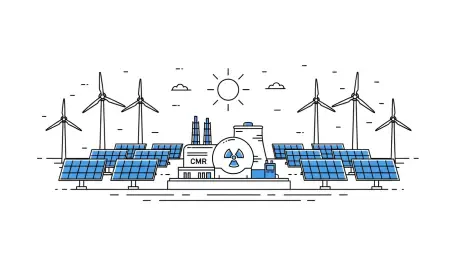
Building on this technological evolution, strategic partnerships with international nuclear leaders have accelerated the development of localized expertise, ensuring that the transition to nuclear energy is supported by global best practices. Collaborative agreements with the United States and South Korea have provided a pathway for technical knowledge transfer and the establishment of safety protocols. These bilateral arrangements often include feasibility studies focused on specific sites, such as coastal regions in Luzon and Mindanao, where SMR technology could replace aging coal-fired plants. The integration of nuclear power is not intended to replace renewable energy but rather to provide a stable foundation for a diversified grid. By providing a source of carbon-free baseload electricity, nuclear power helps mitigate the intermittency issues associated with renewable sources, thereby enhancing the overall resilience of the national grid for meeting energy requirements.
Legislative Frameworks and Public Perception
Establishing a robust legislative framework remains a critical prerequisite for the successful implementation of any nuclear program, necessitating the creation of an independent regulatory body. The Philippine Congress has moved toward codifying the Nuclear Energy Act, which aims to define the legal responsibilities of stakeholders and ensure that international safety standards are strictly enforced. This legislation is vital for attracting foreign investment, as clear regulatory environments reduce the perceived risks for private developers and financiers. Beyond the legal hurdles, the government has embarked on public information campaigns to address the deep-seated anxieties surrounding nuclear technology that persist from the previous century. Transparency regarding waste management, emergency response plans, and environmental monitoring is prioritized to build trust. Success in this area depends on demonstrating that the modern nuclear industry operates under a different paradigm, emphasizing that the benefits of energy independence outweigh the potential risks.
The immediate path forward requires a multifaceted approach that prioritizes the modernization of the national transmission grid to accommodate decentralized nuclear power sources. Investments must be directed toward smart grid technologies that can manage the variable inputs from renewable sources alongside the steady output of modular reactors. Furthermore, the establishment of a dedicated sovereign wealth fund or specialized green bonds could provide the necessary financial backing to offset the initial costs of nuclear deployment. By creating a predictable fiscal environment, the government can encourage long-term power purchase agreements that protect consumers from price surges. The roadmap from 2026 to 2030 focuses on grid synchronization and technical vocational programs to ensure a steady stream of local technicians is available to maintain these complex systems. This strategic investment in human capital is the bridge between policy and operational reality, ensuring the energy transition remains viable.
The Philippine government successfully transitioned from theoretical discussions to concrete policy actions by prioritizing international collaboration and legislative reform during this pivotal period. Officials focused on the immediate establishment of a specialized training institute to cultivate a new generation of nuclear engineers, ensuring that the local workforce was prepared for the operational phase. This proactive stance allowed the country to bypass traditional delays and position itself as a regional leader in the adoption of small-scale nuclear technologies. Rather than relying on outdated infrastructure, the administration incentivized private sector participation through clear fiscal policies and streamlined permitting processes for modular installations. These strategic decisions created a roadmap for decarbonization that emphasized stability over uncoordinated growth. Looking ahead, the focus shifted toward the management of spent fuel and the continuous refinement of disaster resilience strategies to ensure long-term energy security.