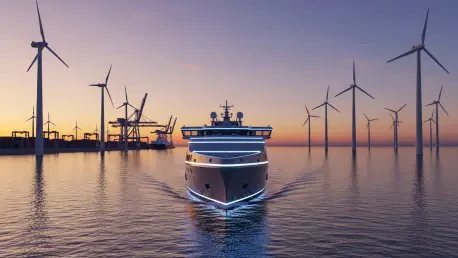

The global maritime sector stands at a defining crossroads where the legacy of heavy fuel oil is rapidly giving way to a sophisticated ecosystem of electrified propulsion and sustainable energy carriers. Major cruise operators serve as the primary engines of this transition, setting environmental benchmarks that force the entire supply chain to modernize. Evaluating the impact of technological integration shows a clear path toward reducing the carbon footprint of global tourism. AIDA Cruises has emerged as a first-mover in this space by adopting liquid natural gas and electrification early in its fleet planning.
The Cruise Industry’s Transformative Pivot Toward Net-Zero Operations
The shift from traditional heavy fuel oils toward sustainable energy ecosystems involves a total rethink of maritime logistics. Modernizing fleets requires integrating energy-efficient technologies that minimize environmental impact while maintaining operational performance. By driving these large-scale changes, major operators influence the global supply chain to move away from fossil-intensive practices.
Technological integration is the key to reducing the industry carbon footprint. AIDA Cruises leads this trend by prioritizing propulsion systems that allow for a transition to cleaner fuels and battery storage. This proactive approach sets a standard for the industry, showing that large vessels can operate with significantly lower emissions through consistent modernization efforts.
Emerging Trends and Performance Metrics in Green Shipping
Diversifying the Fuel Mix with Bio-LNG and Renewable Energy
Operational success is currently visible through the use of certified bio-LNG on vessels like the AIDAnova. Securing 8,500 tonnes of this fuel across European hubs demonstrates that renewable logistics are maturing and becoming more reliable.
This transition from fossil-based LNG to drop-in biofuels serves as a necessary bridge toward achieving carbon neutrality in the shipping sector. Scaling these fuel procurement strategies across major hubs ensures that vessels can maintain their range while reducing net emissions.
Quantifying Progress Through Expanded Shoreside Power Integration
Growth in shore power connectivity is a vital metric, with connections reaching a projected 540 instances this year. Expanding this infrastructure across 17 European ports has significantly improved local air quality in coastal communities and reduced vessel noise.
These performance indicators show that linking vessel technology with port readiness is essential for eliminating emissions during stays at the dock. However, the data also highlights that global infrastructure development must accelerate to match the pace of onboard technological advancements.
Navigating Systemic Obstacles to Widespread E-Fuel Adoption
A major challenge remains the scarcity of synthetic e-fuels and a lack of industrial-scale production facilities. Inconsistent fuel availability across international port networks prevents the fleet from fully transitioning to zero-emission energy carriers.
Furthermore, the competitive pricing gap between traditional fuels and green alternatives continues to slow down the pace of widespread adoption. Technical hurdles in retrofitting older vessels for next-generation propulsion systems also require significant financial and engineering resources to overcome.
Strengthening Regulatory Alignment and Global Infrastructure Standards
Harmonized international frameworks are necessary to govern maritime emissions and fuel quality standards across different regions. Evolving EU regulations influence corporate roadmaps, yet a gap often exists between advanced ship technology and lagging port infrastructure.
Establishing global safety protocols for handling new energy carriers like ammonia is a critical step for the transition. Without these standards, the industry faces risks that could delay the commercialization of the most promising zero-emission solutions.
Pioneering the Next Wave of Maritime Green Technology
Breakthroughs are fostered through the AIDA Innovation Hub and the integration of artificial intelligence to optimize fleet efficiency. Research into renewable ammonia and hydrogen through alliances like Campfire represents the next wave of green technology.
These efforts are moving the industry from pilot projects to the commercialization of next-generation zero-emission propulsion systems. Digitally optimized fleets prioritize energy efficiency and waste reduction, ensuring that sustainability is baked into every operational layer.
Final Outlook: The Road Ahead for AIDA’s Decarbonized Fleet
The implementation of a three-pronged sustainability strategy provided a viable model for the entire maritime sector. Stakeholders recognized that cross-industry collaboration was the only way to achieve a carbon-neutral cruise experience while maintaining growth.
Strategic investments successfully addressed the technical and logistical hurdles of moving toward an electrified future. The industry established a clear trajectory toward a digitally optimized and eco-friendly maritime economy that prioritized environmental stewardship for the next generation.