
The custom Fuel Movement Device was designed to handle the delicate physics of lifting an assembly that no longer aligned with standard vertical machinery. In late 2026, Holtec International reached a pivotal milestone at the Palisades Nuclear Power Plant in Michigan by successfully navigating this mechanical complication. This specific event was far more than a minor technical correction; it represented a critical success in the broader, unprecedented effort to bring a decommissioned nuclear facility back into commercial operation within the United States. The misaligned fuel assembly had effectively created a physical and regulatory bottleneck that threatened the schedule for returning the site to the regional power grid. By addressing this geometric anomaly with a high degree of precision, the engineering teams demonstrated that the path toward carbon-free energy through nuclear restarts is technically viable, even when faced with the legacy challenges of dormant infrastructure.
Bespoke Engineering and the Fuel Movement Device
The primary technical challenge during the recovery operation centered on the fact that conventional refueling equipment is engineered exclusively for high-precision, perfectly vertical interactions. When a fuel assembly becomes tilted or misaligned, the standard interfaces between the crane machinery and the fuel handle are rendered essentially useless, necessitating a completely unique approach. Holtec utilized its vertically integrated corporate structure to bypass the delays typically associated with external procurement and third-party engineering consultations. The design phase was spearheaded at the company’s headquarters in Camden, New Jersey, where engineers modeled the specific stresses and angles required to manipulate the compromised assembly safely. Simultaneously, precision manufacturing began at the company’s specialized facility in Pittsburgh, Pennsylvania. This rapid internal coordination allowed for the creation of the Fuel Movement Device, a tool specifically calibrated to engage the assembly at its precise angle of inclination.
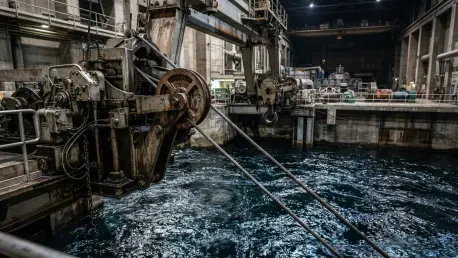
Beyond the lifting mechanism itself, the engineering team integrated a custom-engineered transfer canister into the recovery protocol to ensure maximum safety during the transition. By pairing the Fuel Movement Device with this specialized containment unit, the technicians were able to create a controlled environment for the fuel while it was still submerged within the reactor cavity. This method allowed the tilted assembly to be stabilized and secured before it was transported across the facility to the spent fuel pool. By housing the component within the canister, the team eliminated the risk of the fuel becoming unstable or shifting further during the delicate transit process. This strategy effectively mitigated potential hazards such as radiation exposure or mechanical damage to adjacent reactor components. The successful application of this bespoke technology proved that “off-the-shelf” solutions are often insufficient for the unique field conditions encountered during a nuclear restart, highlighting the necessity for adaptive manufacturing.
Regulatory Oversight and Safety Transparency
The technical recovery was not merely a mechanical endeavor but also a significant regulatory achievement that required close coordination with federal authorities. Given that the procedures for handling a tilted fuel assembly fell outside the scope of standard plant operations, Holtec was required to submit a comprehensive License Amendment Request to the Nuclear Regulatory Commission. This submission triggered a rigorous technical review process, during which federal regulators scrutinized the proposed engineering designs and the step-by-step execution plan for the Fuel Movement Device. The transparency of this process was essential to ensure that the recovery met the highest safety benchmarks established by the industry. NRC inspectors maintained a presence throughout the preparation and execution phases, verifying that every safety margin was respected. This level of oversight provided an objective validation of the technical rigor applied by the engineering teams, ensuring that the operation posed no risk to the staff or the surrounding environment.
Maintaining a high degree of transparency with federal regulators and stakeholders reinforced the safety-first culture that defines the Palisades restart project. The consensus reached between the plant operators and the Nuclear Regulatory Commission highlighted a critical trend in the modern energy sector where technical innovation must be accompanied by extreme accountability. By choosing to pause operations and develop a custom solution rather than attempting a workaround with existing tools, the project leadership demonstrated a commitment to procedural integrity. This decision bolstered public and stakeholder confidence in the management of the facility, proving that even under intense pressure to meet energy demands, safety protocols would never be bypassed. The successful removal of the assembly without incident validated the exhaustive preparation period and established a clear precedent for how non-standard nuclear maintenance should be handled in the future. This approach ensured that the project moved forward with a clean safety record.
Strategic Implications for the Palisades Restart
Now that the physical bottleneck of the tilted fuel assembly has been resolved, the Palisades plant has transitioned into the final, critical stages of its historic restart sequence. The primary focus for the operational teams has shifted back to the completion of the core fuel loading process, which had been temporarily suspended to address the misalignment. Following the successful placement of the remaining assemblies, the facility will enter a period of intensive system checks and functional testing mandated by federal law. These activities include verifying the integrity of the cooling systems, testing the primary and secondary containment structures, and ensuring that all instrumentation is calibrated for high-precision monitoring. This shift from reactive troubleshooting to proactive operational readiness marks a significant change in the project’s momentum. The technical success of the recovery operation served as a catalyst, allowing the workforce to focus on the final regulatory milestones required to achieve commercial power generation.
The successful recovery of the fuel assembly at Palisades provided a definitive case study in modern nuclear problem-solving and adaptive engineering. By integrating rapid manufacturing with deep specialized expertise, the project leaders established a roadmap for navigating the complexities of reviving older nuclear infrastructure. The path forward for the facility was clarified as the team finalized the necessary safety documentation and prepared for the comprehensive inspections that preceded the final restart. This experience suggested that technical hurdles, while challenging, can be managed through a combination of proprietary technology and rigorous regulatory collaboration. Future nuclear projects looking to extend the life of existing assets or restart dormant ones should prioritize the development of modular, custom-engineered tools that can handle unforeseen geometric anomalies. Ultimately, the resolution of this issue brought the plant closer to its goal of providing stable, clean energy to the regional grid while setting a high bar for safety and technical excellence in the 21st century.