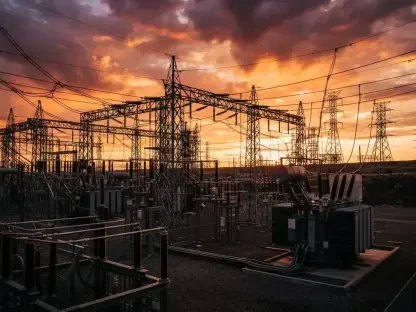

As unprecedented thermal anomalies shatter previous records across the Northern Hemisphere, the relentless surge in global temperatures has transformed seasonal heat from a periodic discomfort into a systemic threat to infrastructure and public health. Urban centers like Phoenix and Madrid are grappling with consecutive weeks of triple-digit temperatures, forcing a fundamental reassessment of how modern society assigns responsibility for environmental degradation. This escalating crisis is no longer viewed solely as a natural phenomenon but as a direct consequence of long-term industrial output and policy choices. The conversation has shifted from theoretical mitigation to immediate accountability, as municipalities face soaring costs for emergency services, cooling centers, and grid repairs. When energy grids fail under the strain of millions of air conditioning units, the resulting economic losses trigger a search for liability that points directly at the largest carbon emitters who have profited from fossil fuels.
Shifting the Burden: Legal Strategies and Corporate Liability
Litigants are increasingly utilizing advanced attribution science to bridge the gap between historical emissions and specific extreme weather events occurring today. By leveraging high-resolution climate modeling, researchers can now quantify the exact degree to which human-induced warming increased the probability of a particular heat wave. This scientific precision is empowering state and local governments to file lawsuits seeking damages from multinational energy conglomerates for the costs associated with adapting to a hotter world. The focus is no longer just on preventing future damage but on recouping expenses already incurred during the current calendar year. These legal challenges often center on the concept of failure to warn, alleging that major producers were aware of the risks associated with their products decades ago yet actively misled the public. As these cases move through the courts, they establish a precedent for shifting the immense financial burden to the responsible parties who ignored early warnings.
Beyond traditional litigation, the financial sector is responding to the heat crisis by implementing more rigorous disclosure requirements for climate-related risks. Investors are demanding transparency regarding how extreme heat affects the physical assets and supply chains of the companies they fund. In many jurisdictions, new regulations require firms to provide detailed accounts of their thermal resilience strategies, which effectively treats climate liability as a material financial risk. This shift in the regulatory environment forces corporate boards to consider the long-term viability of their business models in an increasingly hostile environment. Furthermore, insurance providers are adjusting their risk assessment models to reflect the heightened probability of heat-induced disasters, leading to higher premiums for carbon-intensive industries. These market-based mechanisms complement legal efforts, creating a multifaceted approach to accountability that targets both balance sheets and long-term viability within the global economic system.
Strategic Reform: Establishing a Sustainable Framework for Resilience
Municipalities successfully deployed a range of innovative technologies to combat the urban heat island effect and protect vulnerable populations. From the installation of “cool roofs” that reflect solar radiation to the expansion of urban canopies using drought-resistant vegetation, the physical landscape of cities underwent a necessary transformation. Digital twins and AI-driven heat maps allowed city planners to identify specific neighborhoods where the risk of heatstroke was highest, enabling the targeted deployment of resources. These technological interventions were not merely aesthetic improvements but were essential components of a broader strategy to maintain social stability during periods of extreme thermal stress. For instance, smart grid technology played a vital role in managing power distribution during peak demand, preventing the catastrophic failures that previously left entire regions without cooling by integrating renewable energy and battery storage systems for better local grid stability across the metro area.
To move forward effectively, regional planners integrated thermal safety into all new urban development projects by mandating the use of heat-reflective materials and expanded green corridors. Organizations adopted comprehensive climate vulnerability assessments that went beyond simple compliance, treating extreme heat as a core operational risk that required dedicated capital investment. Furthermore, the standardization of heat-related health data allowed for more precise interventions, ensuring that emergency services were deployed where they were most needed during peak events. Legal experts recommended the creation of specialized environmental courts to handle the rising volume of climate-related litigation with greater efficiency and scientific expertise. These combined efforts represented a significant evolution in how society managed environmental risk, turning the current crisis into an opportunity for structural reform. The focus turned to practical solutions that safeguarded both the economy and human life for the long term.